Pakistan Defence Minister Khawaja Asif has raised questions about the United States approach to the Strait of Hormuz as tensions continue in West Asia. His remarks come at a time when geopolitical developments in the region are being closely monitored by countries around the world due to their potential impact on global energy supply and trade.
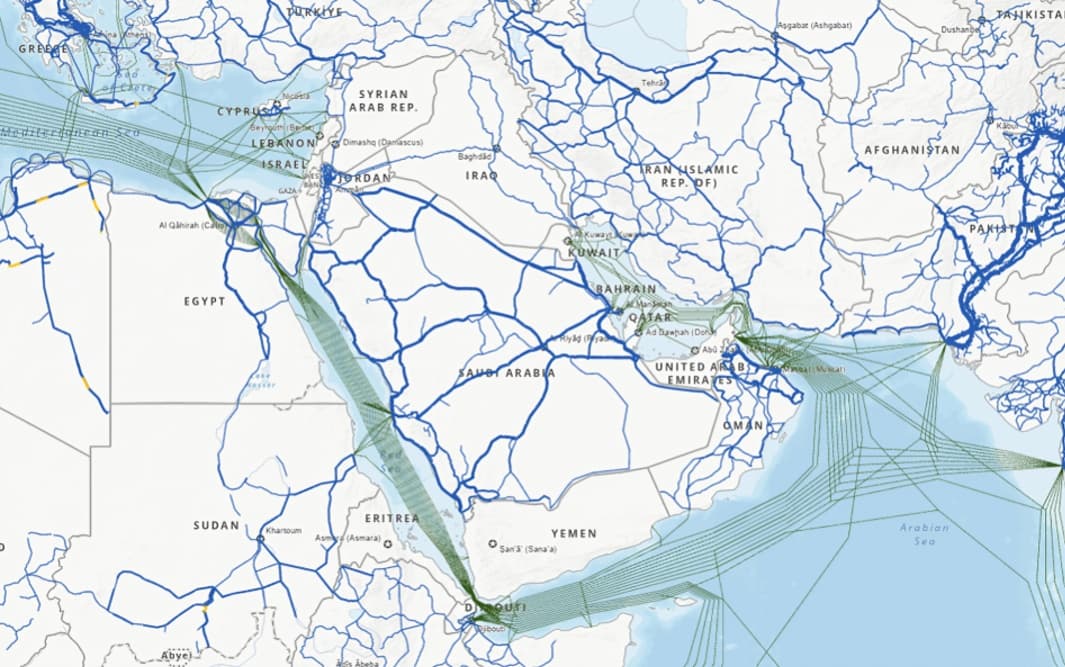
In his statement Khawaja Asif referred to the strategic importance of the Strait of Hormuz and commented on what he described as shifting objectives in the context of ongoing tensions. The strait remains one of the most critical maritime routes for global oil transportation with a large share of the world’s crude shipments passing through it.
The remarks also coincide with reports that Pakistan may be attempting to play a role in facilitating dialogue between the United States and Iran. While there has been no official confirmation of formal mediation efforts such reports have drawn attention to Pakistan’s potential involvement in diplomatic discussions aimed at reducing tensions in the region.
The situation in West Asia has led to increased focus on the stability of key shipping routes and their impact on global markets. Any uncertainty in the Strait of Hormuz can influence oil prices and supply chains affecting economies worldwide. Countries that rely on energy imports are particularly sensitive to developments in this region.
Observers note that statements from political leaders often reflect broader concerns about international strategies and their implications. Khawaja Asif’s comments highlight the ongoing debate regarding how global powers are addressing the situation and what outcomes they aim to achieve.
Diplomatic efforts to reduce tensions remain an important aspect of the current situation. Countries in the region and beyond are exploring ways to maintain stability and ensure that critical trade routes remain open. Mediation attempts whether formal or informal can play a role in easing tensions and promoting dialogue.
The United States and Iran have had a complex relationship with periods of tension and negotiation. Any development involving these two countries tends to have wider implications for regional and global stability. As a result reports of potential mediation efforts are being closely followed by analysts and policymakers.
At the same time it is important to note that geopolitical situations are dynamic and can change rapidly. Statements and reports provide insights into ongoing developments but official positions and outcomes may evolve over time.
For countries like India and others dependent on energy imports the situation in the Strait of Hormuz remains a critical concern. Ensuring uninterrupted access to energy supplies is essential for economic stability and growth.
As developments continue further updates are expected from official sources regarding both diplomatic efforts and the overall situation in the region. The focus remains on maintaining stability and preventing disruptions to global trade and energy markets.
Overall the remarks by Pakistan’s defence minister add to the ongoing discussion about international strategies and diplomatic efforts in West Asia. The coming days are likely to provide more clarity on how these developments unfold.