
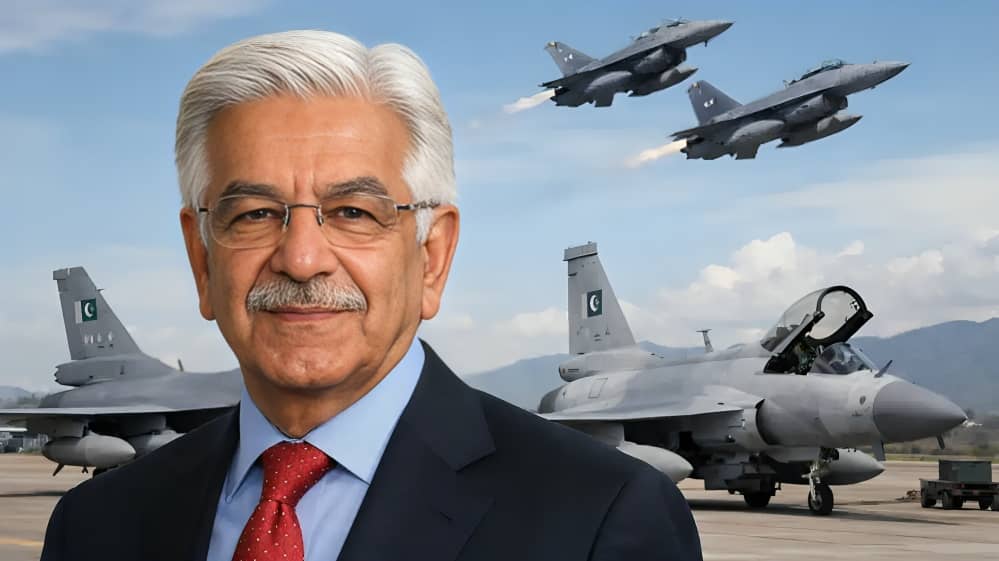
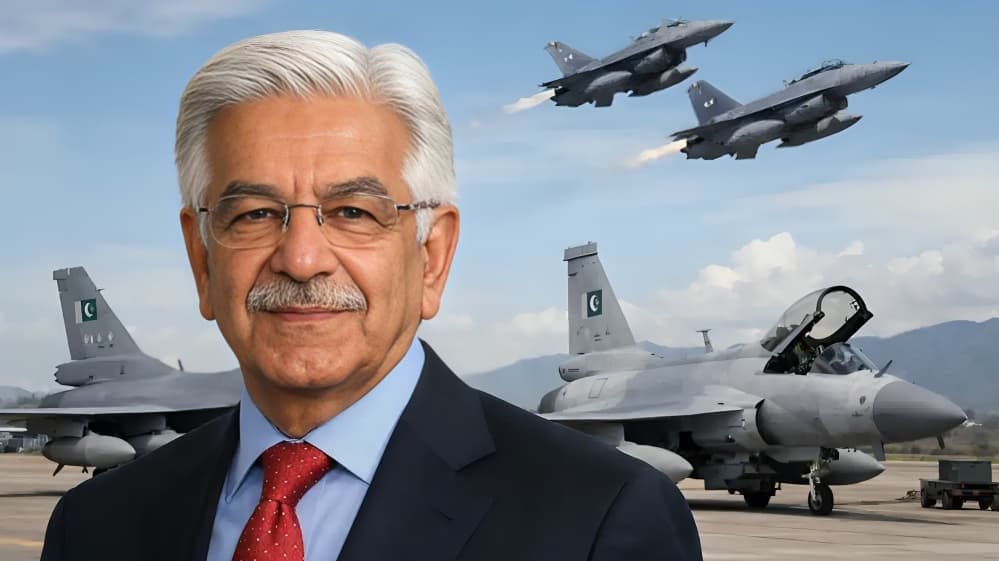
Pakistan’s Defence Minister Khawaja Asif has made a bold claim that the country may no longer need financial assistance from the International Monetary Fund, attributing this optimism to what he described as a rise in defence export orders after a recent military standoff with India. His remarks have sparked debate, as Pakistan continues to grapple with high debt levels, fiscal stress, and dependence on external funding.
Speaking at a public forum, Asif said Pakistan’s defence industry, particularly its aviation and weapons manufacturing sectors, had seen growing international interest. He suggested that increased orders for military equipment, including fighter aircraft, could generate valuable foreign exchange and reduce reliance on international lenders such as the IMF. According to the minister, the demand reflects confidence in Pakistan’s defence capabilities following recent developments in regional security.
Pakistan has been under an IMF programme to stabilise its economy, facing challenges such as rising inflation, low foreign exchange reserves, and a widening fiscal deficit. While the government has taken steps to implement structural reforms required by the IMF, the country remains under close monitoring by international financial institutions. Economists note that exiting IMF support would require sustained improvements in exports, revenue collection, and overall economic stability.
Asif’s comments have been met with scepticism from financial experts, who argue that defence exports alone are unlikely to resolve Pakistan’s broader economic issues. Analysts point out that while arms exports can contribute to national income, they form only a small part of the overall economy and are subject to geopolitical constraints and international regulations.
The reference to the recent military confrontation with India has also drawn attention. While both countries have since worked to de-escalate tensions, the episode underscored the fragile security environment in South Asia. Observers caution that framing economic recovery around military developments could complicate diplomatic efforts and regional stability.
Official data on defence export orders has not been independently verified, and Pakistan’s government has not released detailed figures to support the claim of a significant surge. Meanwhile, the IMF has continued to stress the importance of fiscal discipline, subsidy reforms, and long-term economic restructuring for Pakistan’s recovery.
As Pakistan navigates its economic challenges, the coming months will reveal whether defence exports can meaningfully contribute to financial stability or whether continued international support remains necessary. The IMF programme, for now, remains a central pillar of Pakistan’s economic strategy, despite optimistic statements from senior government leaders.


