Pakistan has announced a fresh increase in petrol and high speed diesel prices, with the revised rates taking effect from August 14, 2026. The timing of the increase coincides with Pakistan’s Independence Day, making the fuel price revision a significant economic development for consumers and businesses.
According to the latest notification, the price of petrol has been increased by 0.45 Pakistani rupees per litre. Following the revision, petrol will be sold at 325.43 rupees per litre, compared with the earlier rate of 324.98 rupees.
The government has also raised the price of high speed diesel by 1.16 rupees per litre. The revised price of high speed diesel is now 383.95 rupees per litre, compared with the previous rate of 382.79 rupees.
The revised rates were announced by Pakistan’s Ministry of Energy through its Petroleum Division. The prices were determined under the government’s petroleum pricing mechanism following recommendations from the Oil and Gas Regulatory Authority, commonly known as OGRA.
The latest increase comes after a series of frequent changes in Pakistan’s fuel prices in recent months. The government has been adjusting petroleum rates in response to changing international oil prices, import costs and other factors affecting the domestic fuel market.
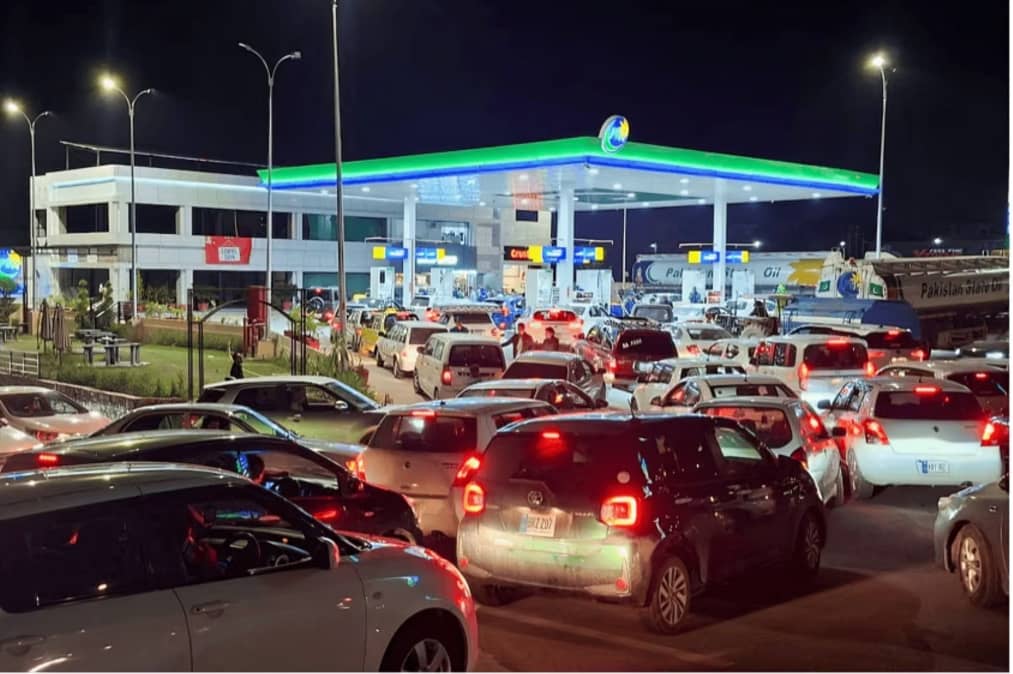
Fuel prices have a direct impact on the wider economy because petrol and diesel are essential for transportation, logistics and several commercial activities. Any increase in petroleum prices can therefore affect the cost of moving people and goods across the country.
Petrol is widely used by private vehicle owners, while high speed diesel is particularly important for commercial transport, heavy vehicles and other sectors. An increase in diesel prices can have an indirect effect on the cost of transporting agricultural products, industrial goods and consumer items.
The latest revision is relatively small compared with some of the larger fuel price increases seen earlier this year. However, the continued movement in petroleum prices remains a concern for consumers already dealing with elevated living and transportation expenses.
The government has continued to use periodic petroleum price adjustments as part of its broader pricing mechanism. These revisions are intended to reflect changes in international oil markets and domestic costs.
The increase announced for August 14 also comes after the government had revised fuel prices just one day earlier. On August 13, petrol had been priced at 324.98 rupees per litre, while high speed diesel was available at 382.79 rupees per litre.
This means that consumers have seen another change in fuel prices within a short period. Such frequent revisions can make it difficult for households and businesses to predict their transportation and operating costs.
Pakistan is also marking its 79th Independence Day on August 14. National celebrations are being held across the country, with public buildings, streets and markets decorated for the occasion.
Against this backdrop, the fuel price increase has attracted attention because it places an additional financial burden on consumers on an important national day.
The latest rates will be closely watched by transport operators, businesses and households. Any further movement in global crude oil prices could influence future revisions in Pakistan’s domestic petroleum prices.
For consumers, the immediate impact will be seen through higher fuel expenditure. Motorists using petrol will face the revised rate of 325.43 rupees per litre, while users of high speed diesel will pay 383.95 rupees per litre.
The increase also highlights the continuing sensitivity of Pakistan’s domestic economy to international energy market developments. Changes in global supply, crude oil prices and geopolitical conditions can influence the cost of imported petroleum products.
For now, the August 14 revision marks another change in Pakistan’s fuel pricing landscape. While the increase in petrol and diesel prices is modest in per litre terms, its wider effect on transportation and operating expenses will remain an important issue for consumers and businesses across the country.