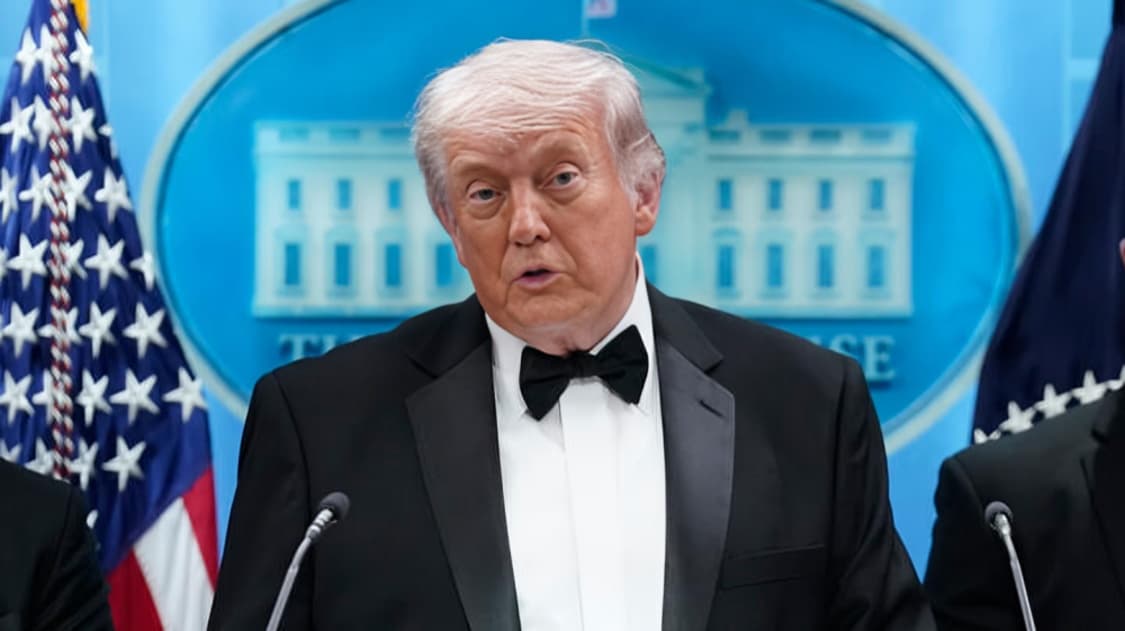
In a recent media development, prominent Pakistani television channels Geo News and ARY News issued retractions regarding their earlier claims about a potential visit to Pakistan by former US President Donald Trump in September. The initial reports suggested that Trump was planning a private or unofficial visit to Pakistan later this year, sparking widespread attention on social media platforms and among political commentators.
However, within hours of broadcasting the news, both Geo News and ARY News withdrew their reports, stating that the information originated from unverified and unofficial sources. The channels clarified that no formal announcement or confirmation had been received either from Trump’s office or from the Government of Pakistan.
The incident raised important questions about media verification practices and the responsibility of news organizations in cross-border political reporting. Both networks emphasized that they strive to maintain journalistic integrity and that the premature airing of the story was an oversight. The retractions were accompanied by public statements acknowledging the error and stressing that misinformation would not be allowed to circulate unchecked.
The original reports had suggested that Trump’s visit might be linked to private business interests or informal diplomatic engagement. These claims quickly became the focus of public debate and speculation, especially in light of the historically complex and cautious relationship between Pakistan and the United States.
The US Embassy in Islamabad did not issue any statement supporting the news, and Pakistani officials also maintained silence on the matter. Analysts believe that such high-level visits, especially those involving a former US President, would require extensive planning and public confirmation well in advance, neither of which occurred in this case.
The swift retraction by the media houses was seen as a responsible move to avoid misinformation in an already sensitive geopolitical climate. Media watchdogs and press bodies in Pakistan also praised the decision, noting that rapid correction helps uphold public trust in mainstream news outlets.
Media professionals have pointed out that in the digital age, even minor errors can escalate rapidly due to the viral nature of social media. The Trump-Pakistan visit report is a case study in how quickly unconfirmed news can gain momentum before being debunked.
The incident has reignited conversations around the need for stronger editorial checks, especially when reporting on international affairs and high-profile figures. News organizations across the region are being urged to prioritize factual reporting and ensure that content is cross-verified before publication.
As of now, there is no indication or official plan of a visit by Donald Trump to Pakistan. Any such development, if it were to occur, would likely be confirmed through diplomatic channels and reported through official press briefings by the concerned governments.
This episode serves as a reminder of the critical role that credible sourcing and journalistic responsibility play in delivering accurate news to the public.