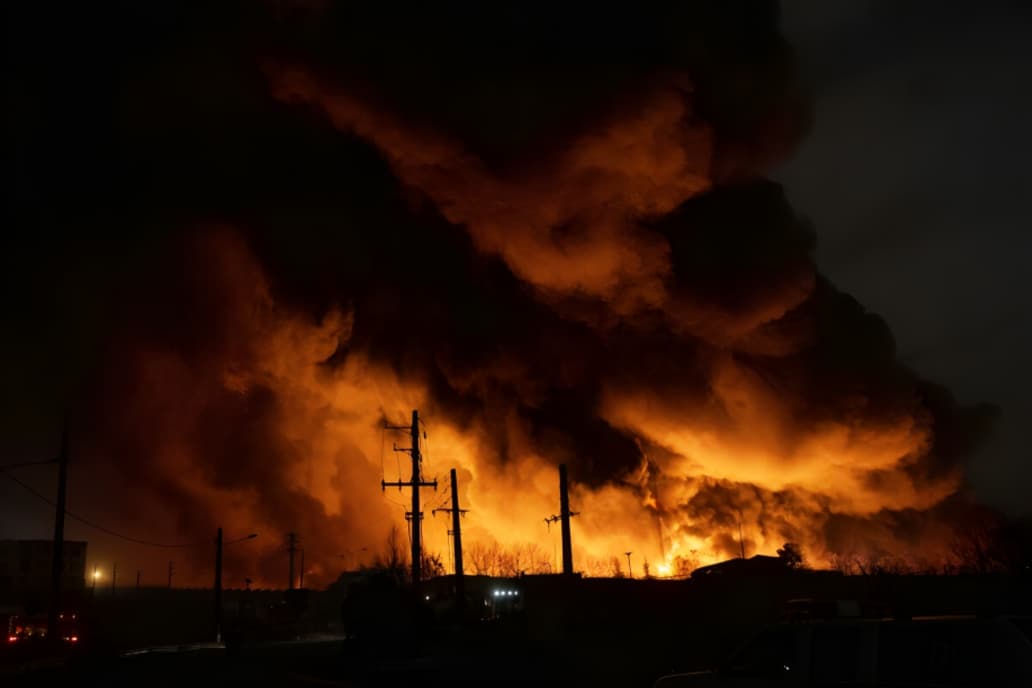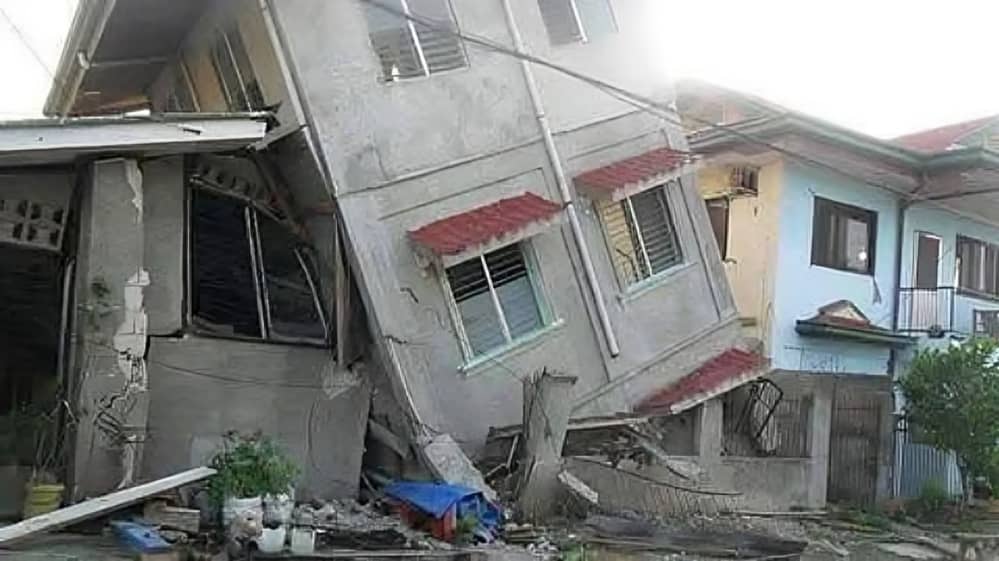
A powerful earthquake measuring 6.7 on the Richter scale struck the southern Philippines in the early hours of January 7 2026 creating panic among residents in and around Davao City. The strong tremor was felt across several parts of the Mindanao region which is known for frequent seismic activity.
The United States Geological Survey reported that the earthquake occurred at 3:03 a.m. UTC. Early seismic data showed that the epicenter was located approximately 68 kilometers east of Baculin a coastal area in Davao Oriental province. The quake originated at a depth of about 10 kilometers which is considered shallow and capable of producing intense shaking on the surface.
Residents in Davao City and nearby communities reported being awakened by the sudden movement of buildings and household objects. Many people rushed out of their homes and stayed in open spaces fearing aftershocks. Local emergency hotlines received numerous calls seeking information and guidance.
The earthquake was also felt in Surigao del Sur province including the town of Hinatuan. USGS clarified that the location was around 68 kilometers from Baculin village and about 42 miles from the Baculin area near Hinatuan. Due to the shallow depth the shaking spread widely across the southern islands.
Despite the strength of the quake there were no immediate official reports of structural damage or casualties. The Philippine Institute of Volcanology and Seismology and local disaster management authorities stated that they were conducting rapid assessments. Hospitals police units and rescue teams were placed on alert as a precautionary measure.
Seismic experts explained that Mindanao lies along active fault lines and subduction zones making it vulnerable to large earthquakes. The 6.7 magnitude places this event in the category of strong earthquakes that can cause damage depending on building quality and distance from the epicenter. Officials advised citizens to remain cautious and follow standard earthquake safety protocols.
No tsunami warning was issued as of the latest updates because the quake occurred inland and did not show characteristics likely to trigger large sea waves. However authorities are closely monitoring coastal areas since even moderate quakes can sometimes affect ports bridges and communication networks.
Power supply water systems and transportation services in Davao City continued to operate normally after the quake. Schools and offices were expected to function as usual later in the day though some establishments delayed opening to check the safety of premises.
The USGS warned that aftershocks are common after earthquakes of this size. Local authorities asked residents to inspect their homes for cracks or weaknesses and avoid spreading rumours on social media. Government agencies promised to release verified information if any damage is detected.
The earthquake once again highlights the need for strong disaster preparedness in earthquake prone countries. The Philippines regularly conducts drills and maintains response systems to manage such emergencies. Officials reiterated that people should keep emergency kits ready and remain calm.
As assessments continue more detailed reports are expected from Davao Oriental Surigao del Sur and other parts of Mindanao. For now the situation appears stable with no major consequences reported. The authorities continue to monitor the region for any further seismic developments.