Prime Minister Narendra Modi is set to undertake a four day visit to Uzbekistan and the Kyrgyz Republic from August 29 to September 1, 2026. The visit will combine bilateral discussions with Uzbekistan and India’s participation in the Shanghai Cooperation Organisation Summit in Kyrgyzstan.
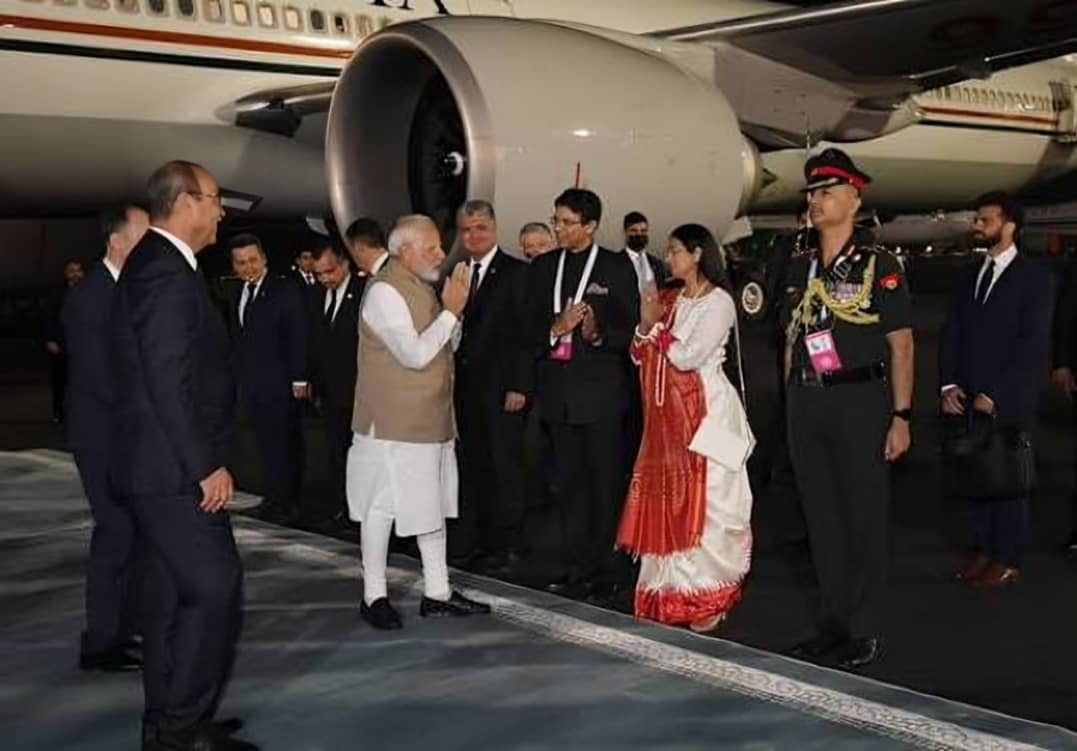
The first leg of the visit will take Prime Minister Modi to Tashkent on August 29 and 30. He is travelling to Uzbekistan at the invitation of President Shavkat Mirziyoyev. This will be Modi’s fourth visit to Uzbekistan and is expected to provide an opportunity to further strengthen the strategic partnership between the two countries.
During his stay in Tashkent, Modi will hold delegation level talks with President Mirziyoyev. The discussions are expected to review existing cooperation and identify new areas for bilateral engagement.
Trade and investment are expected to be among the important subjects on the agenda. India and Uzbekistan have been expanding their economic relationship, with cooperation covering areas such as pharmaceuticals, healthcare, education, information technology and other sectors.
Critical minerals are another area attracting attention. Access to critical minerals has become increasingly important for countries seeking to strengthen supply chains for advanced technologies, clean energy systems and strategic industries. India and Uzbekistan are expected to explore opportunities for greater cooperation in this field.
Defence and security cooperation will also form part of the discussions. Both countries have maintained engagement through diplomatic and security channels, and the visit is expected to provide an opportunity to review existing cooperation and discuss future priorities.
Digital connectivity and technology are also expected to feature in the talks. India has been expanding its digital capabilities and cooperation with Central Asian countries, while Uzbekistan has been pursuing its own digital transformation programmes.
Energy is another important area of bilateral engagement. The two sides are expected to examine opportunities for cooperation in the energy sector as India continues to strengthen its relationships with Central Asian countries.
Education and people to people relations are also likely to receive attention. Uzbekistan hosts a significant Indian student community, and educational links have become an important part of the relationship between the two countries. According to the Ministry of External Affairs briefing, more than 16,000 Indian students are currently in Uzbekistan, while four Indian university campuses are also present in the country.
Healthcare and pharmaceuticals are other areas where the two countries see potential for expanded cooperation. Indian pharmaceutical companies have an established presence in international markets, and the two sides are expected to explore additional business opportunities.
Space and emerging technologies are also being considered as potential areas for future cooperation. The broader objective is to diversify the India Uzbekistan economic relationship beyond traditional areas and encourage greater business to business engagement.
During the Tashkent visit, Modi is also expected to visit the Shastri Memorial and the Mahatma Gandhi Centre at the Tashkent State University of Oriental Studies. These engagements are expected to highlight the historical and cultural links between India and Uzbekistan.
After completing the Uzbekistan leg, Prime Minister Modi will travel to Bishkek in the Kyrgyz Republic. He will attend the 26th Shanghai Cooperation Organisation Summit, which is scheduled for August 31 and September 1.
The SCO Summit is particularly significant this year because the organisation is marking the 25th anniversary of its establishment. India became a full member of the organisation in 2017 after previously holding observer status.
At the summit, Modi is expected to highlight India’s priorities of security, connectivity and opportunity. These areas are important to India’s engagement with Central Asia and the wider Eurasian region.
Security cooperation is expected to remain an important subject at the SCO because member countries face challenges involving terrorism, extremism, organised crime and regional instability. India has consistently emphasised the importance of cooperation against terrorism and greater regional security.
Connectivity is another major priority for India in Central Asia. Better transport and trade links can support economic cooperation and provide additional routes for Indian businesses to access markets in the region.
Economic opportunity is also expected to feature prominently. India has been seeking to expand trade and investment ties with Central Asian countries, and the SCO provides a platform for discussions involving a wider group of regional partners.
The Prime Minister is also scheduled to hold bilateral meetings with leaders of SCO member countries on the sidelines of the summit. Such meetings provide opportunities to discuss bilateral relations as well as regional and international developments.
A meeting between Modi and Russian President Vladimir Putin is also scheduled on the sidelines of the SCO Summit, according to the Ministry of External Affairs. The meeting is expected to provide an opportunity for the two leaders to review bilateral relations and discuss regional and global issues.
The Kyrgyzstan leg of the visit will also include a cultural engagement. Modi is scheduled to attend the opening ceremony of the sixth World Nomad Games in Bishkek. The event showcases the traditional sports, cultural heritage and customs of Central Asian communities and provides another platform for people to people engagement.
The visit is significant for India because Central Asia has increasing strategic importance in areas including trade, energy, connectivity, security and critical minerals. India has been working to deepen its relationships with the countries of the region through bilateral and multilateral platforms.
Uzbekistan and Kyrgyzstan are important partners in this wider engagement. Uzbekistan is one of the region’s major economies and has developed expanding links with India in pharmaceuticals, education, technology and trade. Kyrgyzstan, meanwhile, hosts the SCO Summit and provides the platform for India to engage with other member countries.
The four day visit therefore combines two complementary objectives. The Uzbekistan visit is focused primarily on strengthening bilateral relations and identifying new areas of economic and strategic cooperation. The Kyrgyzstan visit will focus on multilateral diplomacy through the SCO and wider engagement with Central Asian and other member countries.
The visit also reflects India’s broader approach towards Central Asia, where economic cooperation is increasingly being linked with connectivity, technology, energy security and strategic partnerships.
For Uzbekistan, the visit is expected to strengthen the existing strategic partnership with India and provide opportunities for additional investment and business cooperation. For India, the discussions could help expand access to new markets and resources while strengthening political and economic ties with a key Central Asian partner.
The SCO Summit will provide a separate platform for India to present its priorities on security, connectivity and economic opportunities. Bilateral meetings on the sidelines could further strengthen India’s engagement with individual member countries.
Prime Minister Modi’s four day visit is therefore expected to combine bilateral diplomacy, regional cooperation, economic discussions and cultural engagement. The outcomes of the talks in Tashkent and Bishkek will be closely watched for possible agreements and new areas of cooperation.
As the visit begins on August 29, attention will be focused first on the India Uzbekistan discussions in Tashkent and subsequently on India’s participation in the SCO Summit in Bishkek. The visit is expected to reinforce India’s engagement with Central Asia and underline the region’s growing importance in India’s foreign policy.