
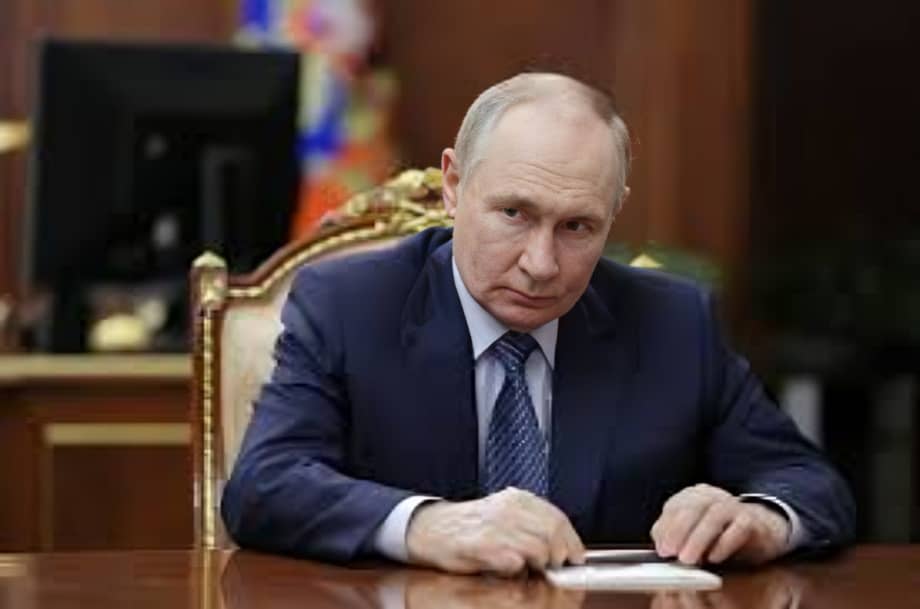
Russian President Vladimir Putin has signalled a cautious openness to a peace proposal linked to former US President Donald Trump, raising hopes of renewed diplomatic engagement while also underlining conditions that could prove difficult for Ukraine to accept. The development comes amid continued fighting and prolonged tensions between Russia and Ukraine, with no clear end to the conflict in sight.
According to diplomatic sources and international media reports, Moscow has expressed readiness to consider discussions under a new political framework if Trump were to return to power and pursue negotiations. However, Putin has reportedly reiterated demands that include recognition of Russia’s control over certain territories, restrictions on Ukraine’s military alliances, and security guarantees that Kyiv views as a direct threat to its sovereignty.
Ukraine has firmly rejected any peace arrangement that compromises its territorial integrity or independence. Ukrainian leaders have consistently stated that any negotiation must be based on the full withdrawal of Russian forces and the restoration of internationally recognised borders. Officials in Kyiv also stress that security decisions, including potential alliances, remain Ukraine’s sovereign right and cannot be dictated by external powers.
Western nations, including the United States and members of the European Union, have responded cautiously to reports of Russia’s conditional openness. Several Western leaders have reiterated their support for Ukraine, warning that any settlement imposed under pressure would set a dangerous precedent in international relations. They have also emphasised that Ukraine must remain at the centre of any peace process involving its future.
Trump’s proposed approach to ending the conflict has been a topic of global discussion, particularly as the US presidential election draws closer. Trump has repeatedly claimed that he could broker a swift end to the war through negotiations, though he has not disclosed the full details of any formal plan. His statements have drawn mixed reactions, with supporters viewing them as pragmatic and critics expressing concern over possible concessions to Russia.
Experts in international diplomacy note that while Moscow’s willingness to express interest in dialogue is significant, the substance of the proposed conditions remains the key obstacle. Russia continues to insist on security arrangements that would limit NATO’s presence near its borders, while Ukraine and its allies argue that such demands undermine the principles of national self-determination and collective security.
The ongoing conflict has had severe humanitarian, economic, and geopolitical consequences. Millions of civilians have been displaced, infrastructure has been damaged on a massive scale, and global energy and food markets have faced repeated disruptions. International organisations continue to call for a negotiated settlement that respects international law and ensures long-term stability.
Diplomatic observers believe that any meaningful progress toward peace will require sustained engagement, mutual concessions, and strong international guarantees. At present, the gap between Russian and Ukrainian positions remains wide. While Putin’s response to Trump’s proposal has generated renewed debate, it remains uncertain whether the conditions attached to it will allow for a viable and balanced peace process.
The coming months are expected to be crucial as global political developments, battlefield dynamics, and diplomatic initiatives intersect. Until then, the prospect of peace remains uncertain, shaped by competing strategic interests and unresolved political demands.


