
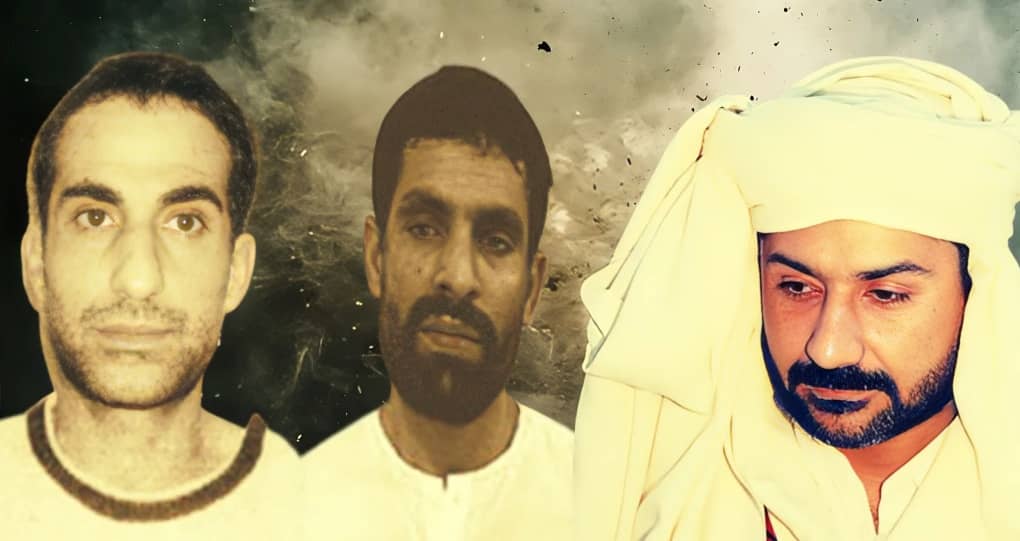
Rehman Baloch’s rise and fall has drawn renewed attention to Pakistan’s enduring political and institutional challenges, particularly in its peripheral regions. Emerging as a prominent figure from Balochistan, Rehman Baloch was once seen as a symbol of regional assertion in a country marked by centralised power structures and uneven development. His trajectory, however, reveals how systemic constraints often limit the sustainability of regional leadership in Pakistan.
Balochistan has long remained at the centre of debates around political representation, resource control, and economic neglect. Leaders from the province often gain prominence by voicing local grievances, but sustaining influence at the national level has proven difficult. Rehman Baloch’s initial rise was shaped by public frustration over unemployment, underdevelopment, and perceived exclusion from decision-making processes in Islamabad.
Observers note that his political ascent reflected broader dissatisfaction within the province rather than individual ambition alone. However, navigating Pakistan’s complex power dynamics requires alignment with entrenched institutions, something many regional leaders struggle to achieve. As Rehman Baloch’s influence grew, so did resistance from political rivals and structural forces that traditionally dominate the national landscape.
His decline highlights the fragility of political space available to voices challenging established power arrangements. Analysts argue that Pakistan’s political system often absorbs or sidelines leaders who attempt to disrupt the status quo without sustained institutional backing. This pattern has repeated itself across decades, particularly in regions where calls for autonomy and equitable development persist.
The episode also underscores the limitations of Pakistan’s democratic processes. While elections provide a platform for representation, governance outcomes frequently fail to translate campaign promises into tangible change. This gap between expectation and delivery weakens public trust and fuels cycles of disillusionment.
Rehman Baloch’s experience reflects the broader challenges faced by Balochistan, including security concerns, economic marginalisation, and strained civil-military relations. Despite the province’s strategic importance and abundant natural resources, development indicators remain among the lowest in the country. Successive governments have announced reform packages, yet implementation has been inconsistent.
Experts suggest that addressing these challenges requires more than leadership changes. Structural reforms, greater fiscal autonomy, transparent resource management, and inclusive political dialogue are seen as essential for long-term stability. Without such measures, individual leaders may continue to rise briefly, only to fade amid systemic resistance.
Ultimately, Rehman Baloch’s story is less about one individual and more about the environment in which politics operates in Pakistan. His rise and fall serve as a case study of how unresolved regional grievances and institutional constraints continue to shape the country’s political trajectory. For observers, it reinforces the view that meaningful reform, rather than symbolic leadership, is critical to Pakistan’s future cohesion and stability.


