Recent remarks attributed to Asim Munir have led to widespread discussion in Pakistan, bringing attention to issues of sectarian identity and the country’s relationship with Iran. The comments, which were reportedly directed at Shia clerics, have generated varied responses from different sections of society.
The situation has highlighted underlying sensitivities related to religious identity in Pakistan. The reference to asking individuals to associate with another country has been viewed by some as a sensitive issue, particularly in a region where religious and cultural identities are closely linked to national narratives.
In response to the remarks, some voices have invoked the legacy of Muhammad Ali Jinnah, pointing to discussions about his religious background. This argument has been used to emphasize inclusivity and to challenge narratives that may appear to exclude certain communities. The debate reflects how historical figures continue to influence contemporary political and social discussions.
Pakistan has a diverse religious composition, and sectarian differences have been part of its social fabric for decades. While the country’s constitution provides for religious freedom, there have been instances where sectarian tensions have surfaced, leading to debates about identity and representation.
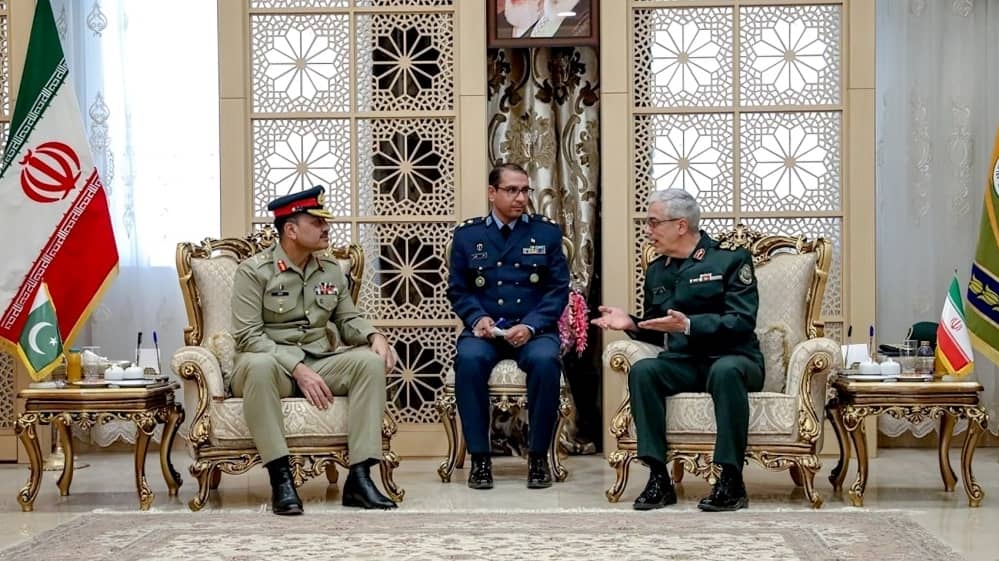
The current discussion also intersects with Pakistan’s foreign relations, particularly with Iran. The two countries share a border and have maintained diplomatic ties, but differences in regional policies and sectarian affiliations have occasionally influenced their relationship. Any public discourse linking domestic religious groups with foreign nations can therefore have broader implications.
Observers note that such developments often lead to heightened public debate, especially in the age of digital media where statements can quickly gain attention. Social media platforms have played a significant role in amplifying reactions, with users expressing a range of opinions on the issue.
Experts suggest that discussions around identity and national unity require careful handling, given their potential impact on social cohesion. Statements by public figures and officials are often closely scrutinized, and their interpretation can influence public perception.
The reference to Muhammad Ali Jinnah in the debate underscores the importance of historical context in shaping modern discourse. As the founder of Pakistan, Jinnah’s vision and legacy are frequently cited in discussions about the country’s identity and direction.
The situation continues to evolve as more reactions emerge from political leaders, community representatives and analysts. While the immediate focus remains on the remarks and the responses they have generated, the broader conversation touches on themes of inclusivity, national identity and regional dynamics.
Authorities and stakeholders may seek to address concerns and ensure that public discourse remains constructive. Maintaining social harmony and fostering dialogue are seen as important steps in managing such situations.
Overall, the incident highlights the complex interplay between domestic issues and international relations, as well as the role of historical narratives in contemporary debates. It also reflects the ongoing challenges in balancing diverse perspectives within a national framework.