
Romania Accuses Russia of Escalating Black Sea Attacks After Cargo Ship Sinks
Romania has accused Russia of escalating attacks near NATO’s eastern flank following a drone strike that sank a cargo ship in the Black Sea, killing one sailor and leaving three others missing. The incident occurred on October 23, 2026, and has added to growing concerns about the safety of commercial shipping in waters close to NATO member states.
Romanian President Nicusor Dan blamed Russia for the rising threat to maritime security. The latest incident comes amid a series of attacks on commercial vessels operating near the coasts of Romania and Bulgaria, both members of the North Atlantic Treaty Organization, or NATO.
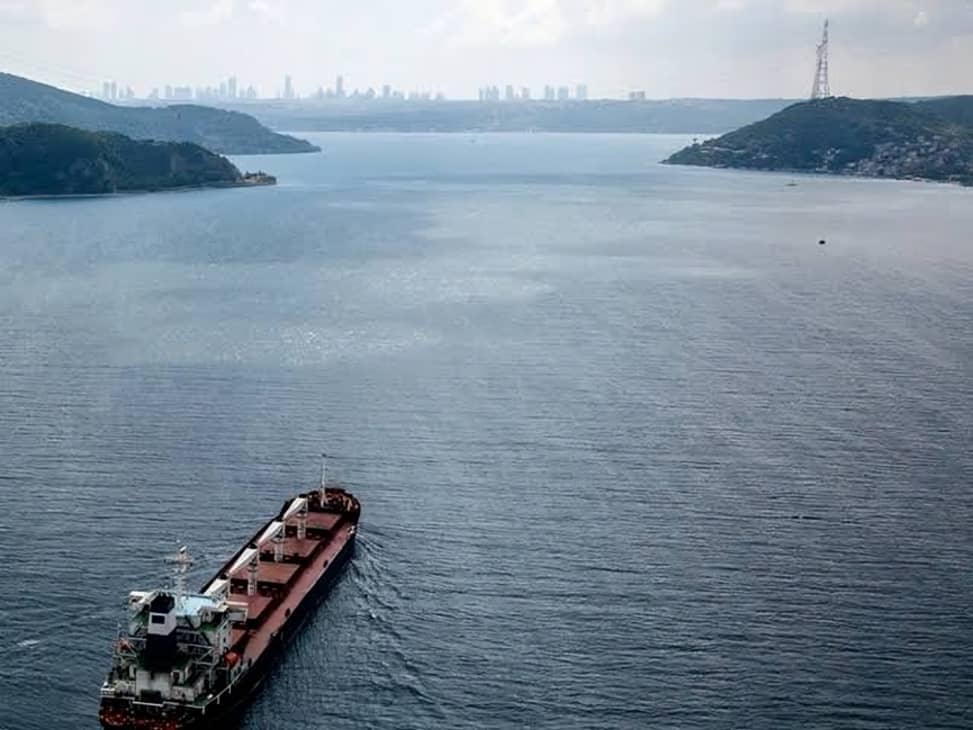
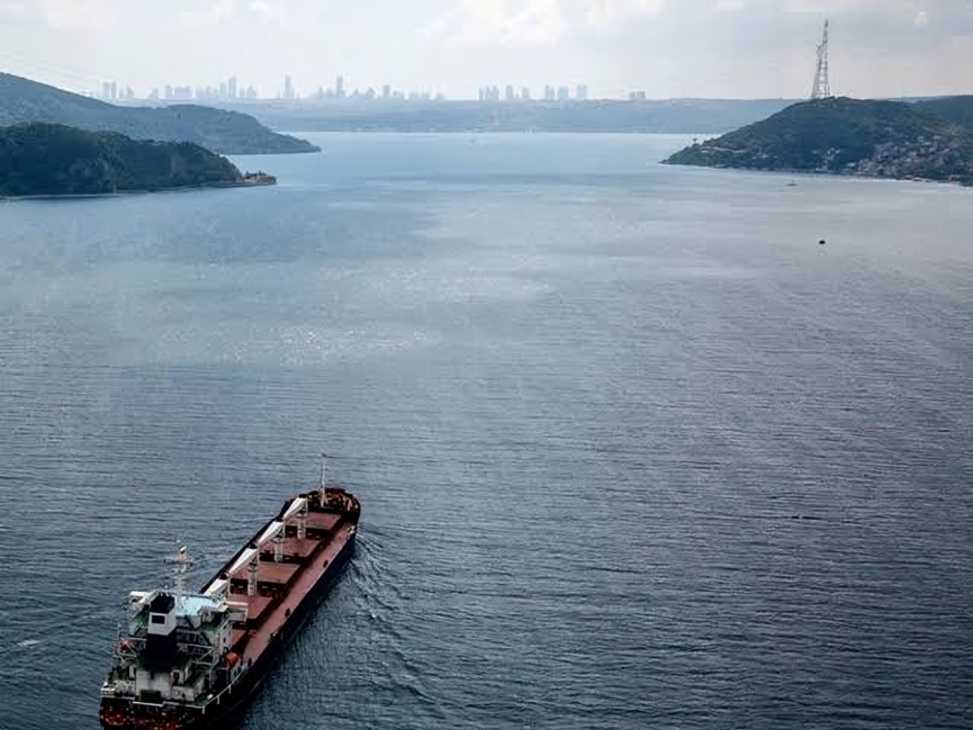
According to Reuters, the vessel involved was the Comoros-flagged cargo ship Khoryv. It was carrying 13 Ukrainian and Azerbaijani sailors when it sent a distress signal off Romania’s Black Sea coast. Rescue teams responded to the emergency, but the ship sank.
One Sailor Dead and Three Missing
Initial reports said nine crew members were rescued from the vessel. Authorities recovered the body of one sailor, while three crew members remained missing. Search-and-rescue teams continued operations in difficult sea conditions as officials worked to establish the full circumstances of the incident.
The vessel sent its distress signal approximately 13 nautical miles from the Romanian port of Constanta, just outside Romania’s territorial waters, according to Reuters. The location highlights the risks faced by commercial ships operating along key Black Sea shipping routes.
Rescue operations in the area can be complicated by rough seas, reduced visibility and the challenges of locating people after a vessel sinks. Authorities have been working to account for the missing crew members and gather information about the attack.
The incident also raises concerns for the families of seafarers working on commercial vessels that transport goods through the region.
Romania Points to a Wider Security Threat
President Nicusor Dan’s accusation comes against the backdrop of increasing concern about drone attacks affecting commercial shipping in the Black Sea. Romania and neighbouring Bulgaria have reported several incidents involving vessels near their coastlines in recent weeks.
The attacks have heightened fears that the consequences of Russia’s war against Ukraine could spread further into international shipping routes and areas close to NATO territory. Commercial vessels are essential to regional trade, including the movement of agricultural products and other goods through ports and waterways connected to Ukraine.
Romanian officials have described the repeated incidents as a growing security challenge. However, responsibility for individual attacks must be assessed using available evidence and official investigations. Russia’s alleged role in the latest incident should therefore be understood as an accusation made by Romanian leadership, rather than a judicially established finding.
The repeated attacks have also increased pressure on regional governments to strengthen surveillance, improve maritime security and coordinate their responses.
NATO’s Eastern Flank Faces Growing Pressure
Romania occupies a strategically important position on NATO’s eastern flank and shares a land border with Ukraine. Its Black Sea coastline is close to shipping routes used by commercial vessels transporting goods from the region to international markets.
NATO has been strengthening its defensive posture in response to growing concerns about drone activity and threats to commercial shipping. Reuters reported that the alliance plans to deploy additional maritime patrol aircraft, radar systems and drones to the Black Sea region.
These measures are intended to improve monitoring, detect potential threats and support a faster response to incidents. However, protecting commercial shipping across a large maritime area remains a complex task that requires coordination among regional countries and NATO allies.
The latest sinking could add urgency to discussions about maritime patrols, surveillance systems and the protection of vessels travelling near NATO member states. Governments must also consider how to respond to attacks without increasing the risk of a wider military confrontation.
Importance of Black Sea Shipping Routes
The Black Sea is a major trade corridor linking Eastern Europe with other international markets. It is particularly important for Ukraine, whose agricultural exports include grain and vegetable oil. Disruptions to shipping can affect the movement of goods, raise transport costs and create uncertainty for exporters and buyers.
The Sulina Canal and the Danube River provide important connections between the Black Sea and inland European waterways. When maritime routes become dangerous, shipping companies may face higher insurance premiums, operational delays and difficult decisions about whether to continue using particular routes.
Repeated attacks on commercial vessels could also affect confidence among seafarers, shipping operators and businesses that depend on reliable access to regional ports. The impact may extend beyond the countries directly involved, as disruptions to major export routes can influence supply chains and commodity markets.
The Khoryv incident has therefore renewed attention to the need to protect civilian crews and maintain safe navigation in the Black Sea.
Investigation and Regional Response
Authorities are continuing to address the consequences of the sinking, including the search for the three missing sailors and the collection of evidence surrounding the attack. Further findings will be important in determining the precise circumstances of the incident and establishing responsibility.
Romania and its NATO partners face the challenge of responding to repeated maritime security incidents while avoiding an escalation of tensions in an already volatile region. Stronger surveillance, intelligence sharing and coordination among Black Sea countries are among the measures being considered to improve security.
The sinking of the Khoryv highlights the human cost of attacks affecting commercial shipping. With one sailor confirmed dead and three still missing, the immediate priority remains the search operation and support for the affected crew members and their families.
The incident also underscores the broader risks posed by the ongoing Russia-Ukraine conflict to maritime trade and regional stability. Developments in the investigation and any further announcements from Romanian authorities, Russia or NATO are likely to shape the next stage of the response.


