
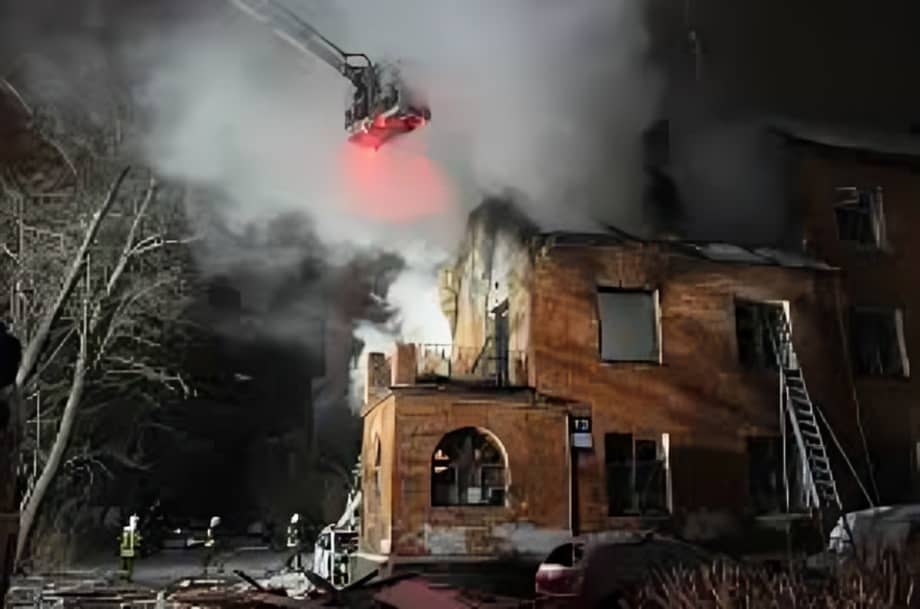

Russia has officially confirmed that it used the Oreshnik ballistic missile during its latest strike on Ukraine, marking a significant moment in the ongoing conflict between the two countries. The announcement was made by Russia’s Defence Ministry, which described the missile launch as a retaliatory action following what it termed an attack linked to the residence of President Vladimir Putin.
According to the statement, the strike was intended to demonstrate Russia’s military capabilities and respond to perceived threats against its leadership. While Moscow has framed the missile launch as a defensive and proportionate response, independent verification of the circumstances surrounding the alleged attack has not been publicly provided. Ukrainian authorities have yet to issue a detailed response to Russia’s claims regarding the motivation behind the strike.
The Oreshnik missile is believed to be a newly introduced ballistic missile system, with limited publicly available details regarding its range, payload, or deployment history. Russia’s confirmation of its use suggests an effort to signal technological advancement and deterrence amid continued hostilities. Military analysts note that the introduction of new weapons systems into the conflict often carries strategic and psychological implications, beyond immediate battlefield impact.
The Russia-Ukraine conflict, which began in 2022, has seen repeated escalations involving missile strikes, drone attacks, and counter-offensives. Both sides have accused each other of targeting critical infrastructure and symbolic locations. The latest announcement adds to concerns about the widening scope of the war and the potential for further intensification.
International reactions to developments in the conflict have remained cautious. Western governments have consistently called for restraint while continuing diplomatic and military support for Ukraine. The use of advanced missile systems is likely to draw renewed attention from global observers monitoring compliance with international norms and the humanitarian impact of the conflict.
Experts emphasize that claims made by either side during wartime require careful scrutiny, as information warfare remains a key component of modern conflicts. Independent verification of missile deployments and their targets often emerges gradually through satellite imagery and third-party analysis.
In summary, Russia’s confirmation of deploying the Oreshnik ballistic missile represents a notable escalation in the Russia-Ukraine conflict. While Moscow characterizes the strike as a retaliatory measure, the development underscores the ongoing volatility of the situation and the continued use of advanced weaponry in the war. The international community continues to monitor the situation closely amid calls for de-escalation and renewed diplomatic efforts.


