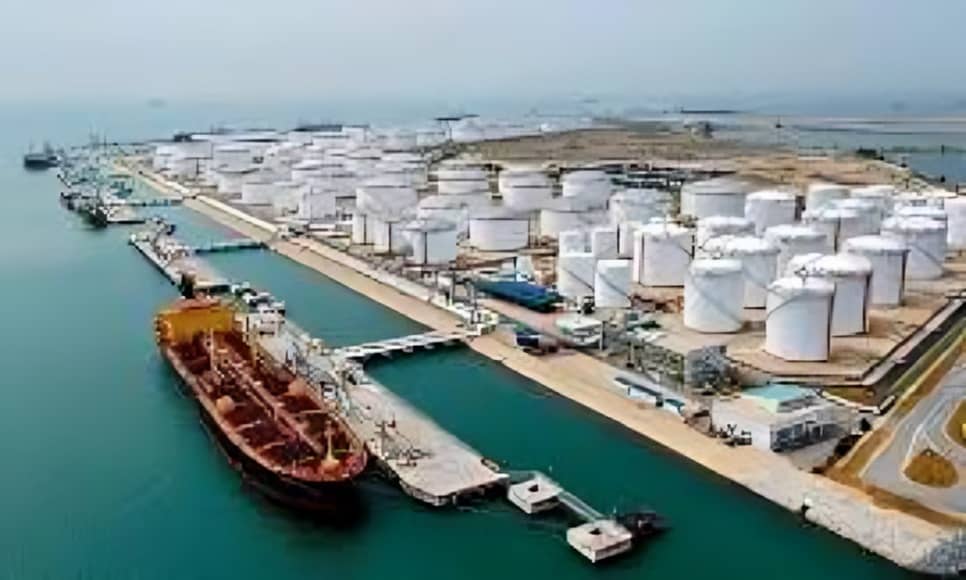

Recent satellite imagery has indicated that Iran continues to load crude oil onto large tankers at Kharg Island, despite ongoing maritime restrictions associated with the United States. The development has drawn attention from global energy markets and geopolitical analysts, as it reflects the complexities of enforcing such measures.
Kharg Island is a key export terminal for Iran’s oil industry, handling a significant portion of the country’s crude shipments. Activity at this location is closely monitored by analysts and satellite tracking services, which provide insights into oil production and export trends. The latest images suggest that loading operations are continuing, indicating a level of resilience in maintaining export activities.
The maritime restrictions in question have reportedly affected multiple vessels attempting to operate in the region. According to available information, several ships have faced challenges navigating the area, with some being turned back. These developments highlight the practical difficulties associated with monitoring and controlling maritime traffic across vast ocean areas.
The situation has implications for global oil markets, where supply dynamics are influenced by production levels and export activity. Continued loading at Kharg Island may contribute to maintaining supply levels, even as geopolitical tensions create uncertainty. Market participants often track such developments closely, as they can affect pricing and availability.
Energy analysts note that satellite imagery has become an important tool in understanding developments in the oil sector. By observing activity at key terminals and shipping routes, analysts can estimate production and export volumes, providing valuable data for market assessments. In this case, the imagery offers an independent perspective on ongoing operations.
The broader geopolitical context adds complexity to the situation. Tensions involving Iran and the United States have been a longstanding factor influencing regional stability and international relations. Measures affecting maritime activity are part of a wider set of policies aimed at addressing these tensions.
At the same time, the continuation of oil loading operations suggests that supply chains are adapting to the evolving environment. Countries involved in global energy trade often seek ways to maintain flows despite restrictions, using a combination of logistical adjustments and alternative routes.
The developments also underscore the importance of maritime security and monitoring in the global economy. Sea routes are critical for the transportation of energy resources, and any disruption can have far reaching consequences. Ensuring the safe and efficient movement of goods remains a priority for many nations.
As the situation evolves, further updates from satellite tracking and official sources are expected to provide additional clarity. Policymakers, industry participants and analysts will continue to monitor these developments closely, given their potential impact on markets and international relations.
Overall, the continued activity at Kharg Island highlights the dynamic nature of global energy systems and the challenges associated with managing geopolitical tensions. The interplay between policy measures and market realities will remain a key factor shaping outcomes in the coming period.