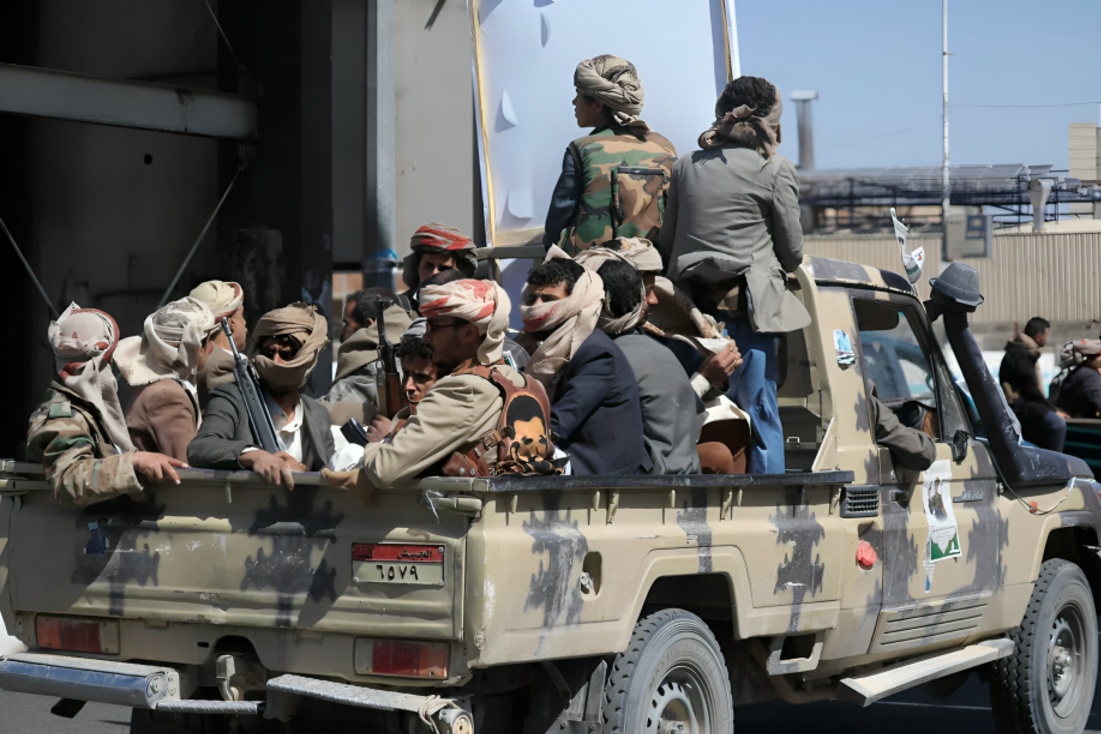
Saudi Arabia’s Grand Mufti Sheikh Saleh bin Fawzan Al Fawzan has called on soldiers stationed along the kingdom’s borders to remain prepared to defend the country amid renewed escalation involving Yemen’s Houthi movement.
The message was issued through Saudi state media and comes at a time of increased military activity between Saudi Arabia and the Houthis. According to Reuters, the Grand Mufti urged troops to remain prepared for their duties, follow instructions from the country’s leadership and field commanders, and defend Saudi territory. He also called for the eventual defeat of the Houthi group and those supporting it.
The statement was directed particularly at soldiers serving on the front lines near the Yemen border. The Grand Mufti referred to the defence of Saudi territory as an important duty and said soldiers should be prepared to make sacrifices while carrying out their responsibilities.
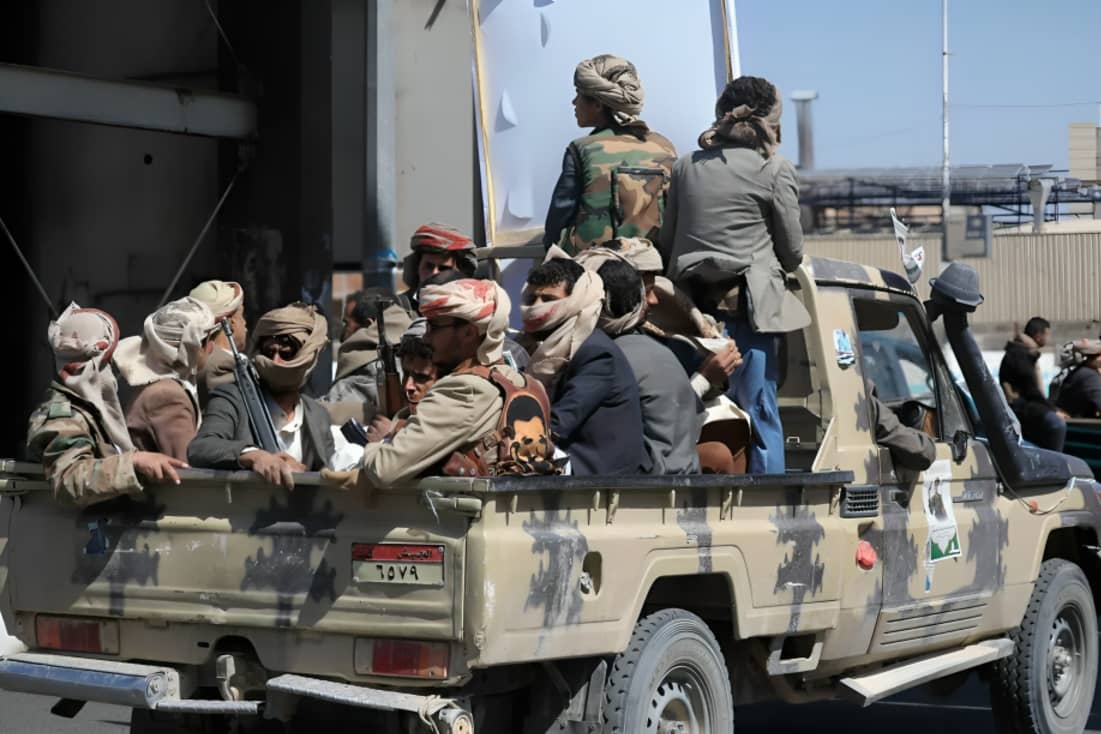
The remarks come after several weeks of increased violence between Saudi Arabia and the Houthis. Reuters reported that the Houthis have launched missile and drone attacks towards Saudi Arabia, while Saudi forces have responded with airstrikes against Houthi positions in Yemen. The latest escalation has increased concerns about a wider military confrontation in the region.
The Grand Mufti also called for the authority of Yemen’s Saudi backed internationally recognised government to be restored across the country. His statement described this as an important objective. The conflict in Yemen has continued for years, with the Houthis controlling significant areas of the country, including territory along parts of the Red Sea coast.
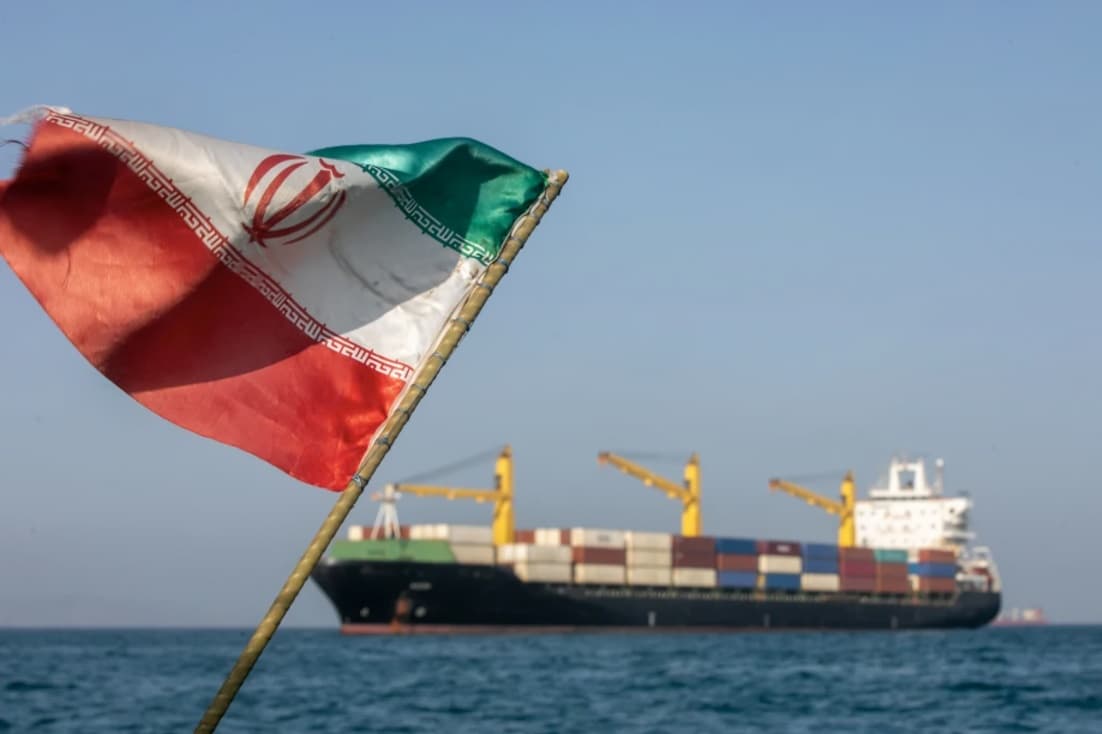
One area of particular strategic importance is the Bab el Mandeb Strait, a major maritime route connecting the Red Sea with the Gulf of Aden. Developments around the waterway have implications not only for Yemen and Saudi Arabia but also for international shipping and regional security.
The latest tensions are part of a longer conflict between the Houthis and forces backed by Saudi Arabia. Saudi Arabia intervened militarily in Yemen in 2015 as part of an effort to support the internationally recognised Yemeni government and push back against Houthi control. Although fighting subsequently declined considerably, the conflict has remained unresolved.
The current escalation has involved attacks using missiles and drones. Saudi authorities have reported intercepting missiles directed towards areas inside the kingdom, while the Houthis have claimed attacks against Saudi targets. The two sides have presented different accounts of military developments, meaning individual battlefield claims should be treated with caution unless independently verified.
The Grand Mufti’s latest message also has a religious dimension. Saudi state media said his statement referred to Quranic verses and recorded sayings of the Prophet Muhammad concerning sacrifice and the defence of the country. He urged soldiers to remain patient, vigilant and committed to their duties.
Saudi Arabia’s Grand Mufti is the kingdom’s senior religious authority. Sheikh Saleh bin Fawzan Al Fawzan is also associated with the Council of Senior Scholars, the country’s highest religious advisory body. His comments therefore carry significance within Saudi Arabia, particularly when they concern national security and the country’s military personnel.
The statement also called for the protection of Saudi Arabia and Yemen and for the defeat of the Houthi movement and those supporting it. This reflects the Saudi government’s broader position on the conflict, although the Houthis have their own political and military objectives and remain a major power in parts of Yemen.
The recent fighting has also raised questions about whether Saudi Arabia could undertake a broader military operation alongside Yemeni government forces. Reuters reported that observers have been watching the situation closely as attacks involving missiles, drones and airstrikes have intensified.
At the same time, Saudi Arabia, Pakistan and Turkey have discussed an urgent meeting of their military chiefs in the wake of the attacks. According to reports, the discussions are linked to the Makkah Defence Agreement, under which an attack on one participating country is treated as an attack on all parties.
The diplomatic and military developments come against the backdrop of wider instability in the Middle East. The Houthi conflict has increasingly become connected with broader regional tensions, particularly because of the strategic importance of the Red Sea and surrounding waterways.
For Saudi Arabia, security along its southern border remains a major concern. For Yemen, continued fighting adds to an already prolonged political and humanitarian crisis. The involvement of regional powers also means that developments between Saudi Arabia and the Houthis could have consequences beyond the immediate conflict zone.
The Grand Mufti’s statement does not by itself indicate that Saudi Arabia has announced a new military operation. Rather, it represents a strong religious and national appeal to Saudi troops to remain prepared and defend the kingdom. Any future military decisions would depend on actions taken by the Saudi government and developments on the ground.
The situation remains fluid, with missile and drone attacks, airstrikes, diplomatic contacts and military preparations continuing to shape the regional security environment. Further developments will determine whether the latest escalation remains limited or develops into a broader confrontation.