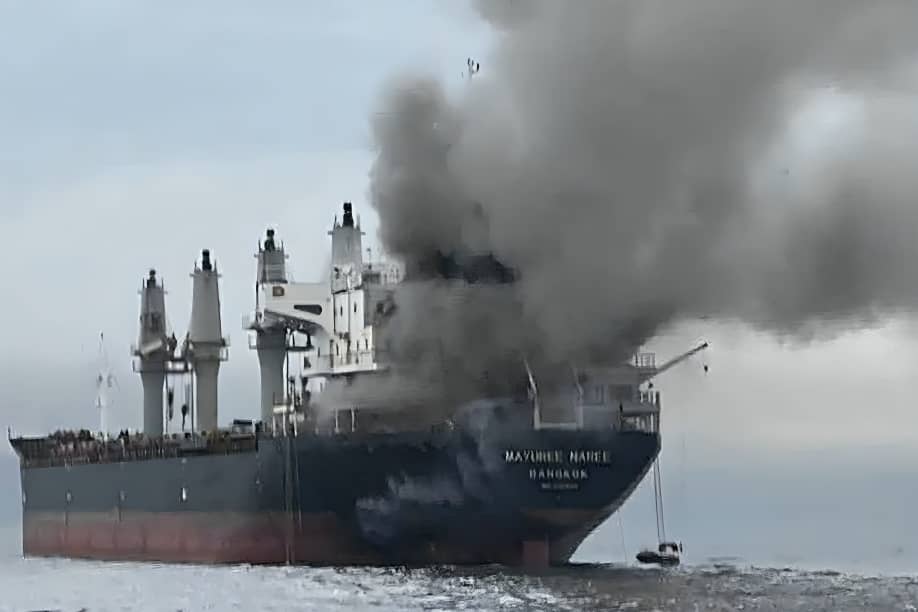
A cargo vessel identified as Nabiin has drawn attention in maritime reports after it was seen crossing the Strait of Hormuz, despite records suggesting that it had been scrapped several years ago. The incident has raised concerns within the shipping industry about vessel tracking, compliance and safety standards.
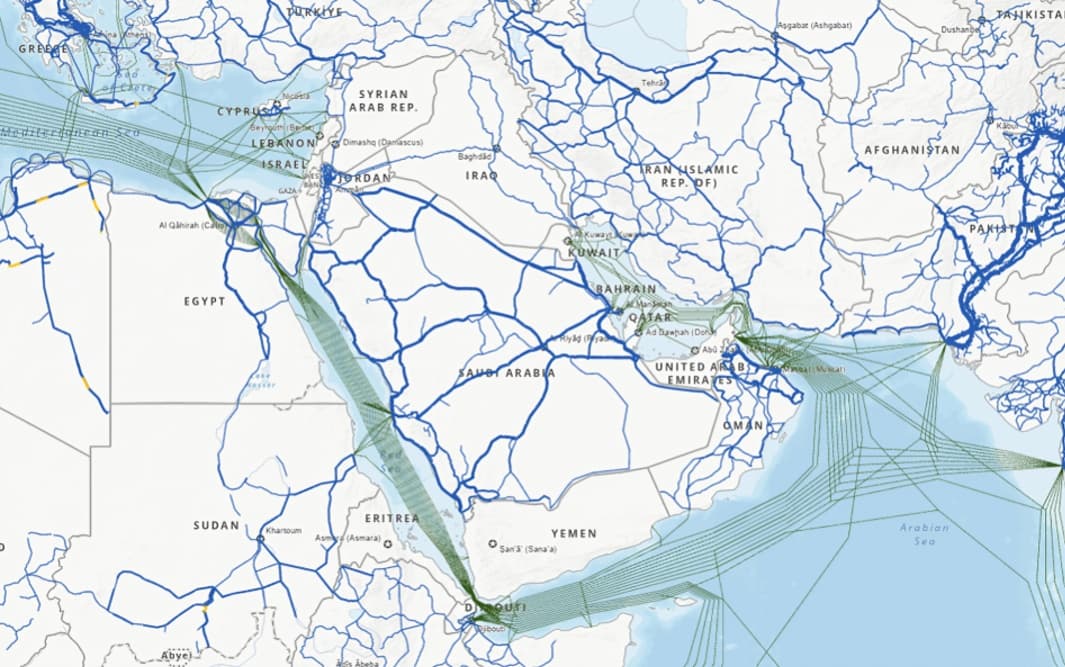
The Strait of Hormuz is one of the most critical maritime routes in the world, serving as a key passage for global oil and cargo shipments. Recent regional tensions, particularly involving Iran, have affected shipping activity in the area. Reports indicate that disruptions and heightened risks have made it increasingly difficult for vessels to pass through the strait under normal conditions.
In this context, the reappearance of a vessel believed to have been dismantled in the past has led to speculation about the methods being used by some operators to continue transporting goods. Industry observers suggest that ships with outdated or unclear registration records may be reactivated or repurposed to navigate restricted routes.
Another vessel mentioned in similar reports is Jamal, which has also been linked to unusual shipping activity in the region. These cases are sometimes referred to as examples of so called zombie ships, a term used to describe vessels that appear in operation despite being officially retired or scrapped. Such situations raise questions about regulatory oversight and the enforcement of international maritime standards.
Shipping experts note that the current geopolitical climate has created significant challenges for global trade. With certain routes facing restrictions or increased scrutiny, shipowners may look for alternative ways to ensure the movement of cargo. However, such practices can pose risks related to safety, insurance and legal compliance.
Authorities and maritime organizations rely on tracking systems and registration databases to monitor vessel activity. Instances where ships operate outside these systems can complicate efforts to maintain transparency and accountability. This can also have implications for environmental safety, as older or improperly maintained vessels may not meet current standards.
The use of vessels with uncertain status highlights the pressures faced by the shipping industry during periods of instability. While maintaining supply chains is essential, it is equally important to ensure that operations adhere to established regulations.
The situation has prompted calls for closer monitoring and stricter enforcement of maritime rules. Industry stakeholders emphasize the need for cooperation among countries and regulatory bodies to address such challenges effectively.
As global trade continues to depend heavily on maritime transport, developments in key routes like the Strait of Hormuz are closely watched. The emergence of vessels like Nabiin in active shipping lanes underscores the complexity of the current environment and the need for vigilance.
Further investigations and official statements may provide more clarity on the status of these vessels and the circumstances under which they are operating. Until then, the incident remains a point of concern for the international shipping community.