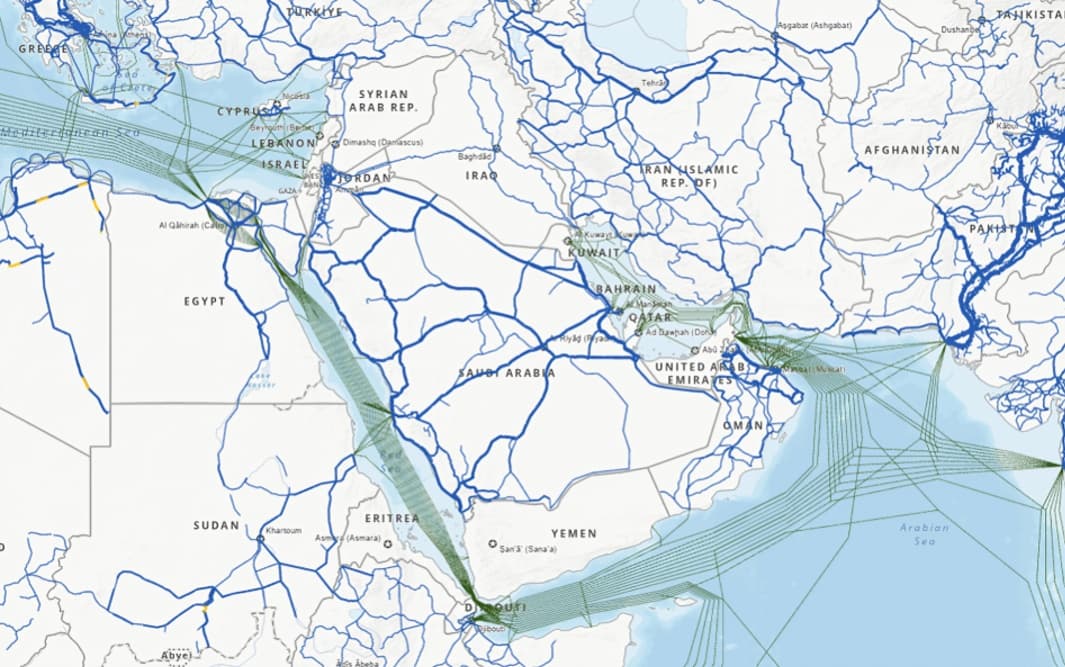
The Strait of Hormuz, a vital global shipping route, continues to face uncertainty despite recent ceasefire signals between the United States and Iran. The situation has drawn significant international attention due to the strait’s critical role in global energy supply and maritime trade.
Recent statements linked to Donald Trump suggested a possible easing of tensions, with claims that Iran had reopened the strait for shipping. This announcement initially raised hopes that vessel movement would return to normal and ease pressure on global oil markets. However, experts and shipping industry officials have indicated that the reality on the ground remains more complex.
The Strait of Hormuz is one of the busiest and most strategically important maritime chokepoints in the world. A significant portion of global oil exports passes through this narrow waterway, making it highly sensitive to geopolitical tensions. Even minor disruptions can have a major impact on energy prices and supply chains worldwide.
Despite the ceasefire signals, shipping companies remain cautious. Many operators are closely monitoring the situation before resuming normal operations. Concerns about safety, insurance costs and potential escalation continue to influence decision making. Maritime experts note that restoring full confidence among ship operators requires more than political statements. It depends on consistent security assurances and stability in the region.
Another key factor affecting shipping movement is the presence of naval forces and heightened surveillance in the area. While these measures are intended to ensure safety, they can also slow down transit and create logistical challenges. Coordination between different authorities and clear communication are essential to avoid delays and confusion.
Insurance and risk assessment also play a critical role in determining whether ships can move freely through the strait. In times of tension, insurance premiums for vessels passing through high risk zones tend to increase significantly. This adds to operational costs and can discourage shipping companies from using the route until conditions stabilize.
Analysts point out that the current situation reflects the fragile nature of geopolitical agreements. While ceasefire announcements can reduce immediate tensions, long term stability requires sustained diplomatic efforts. Any uncertainty or mixed signals can quickly affect market confidence and disrupt trade.
The impact of the situation extends beyond the energy sector. Many countries rely on the Strait of Hormuz for the transport of essential goods, making it a key component of global trade. Disruptions can lead to delays in supply chains, affecting industries and consumers worldwide.
For countries like India, which depend heavily on energy imports, developments in the Strait of Hormuz are particularly significant. Any prolonged disruption could influence fuel prices and economic stability. As a result, policymakers and industry stakeholders are closely monitoring the situation.
In conclusion, while ceasefire signals between the United States and Iran have provided some optimism, the situation in the Strait of Hormuz remains uncertain. Shipping activity is influenced by a range of factors, including security conditions, insurance costs and market confidence. Until these elements stabilize, vessel movement is likely to remain cautious, highlighting the ongoing importance of this critical maritime route.