
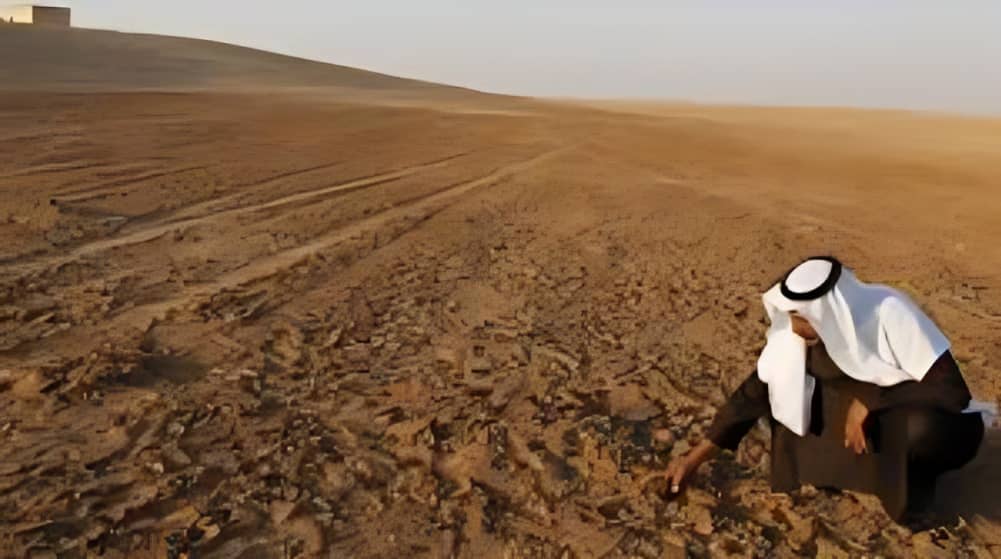
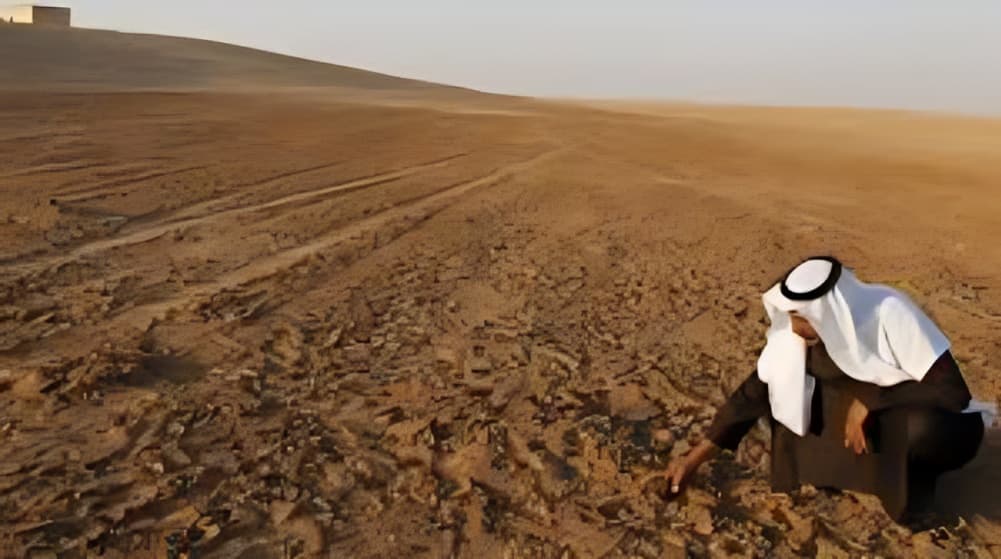
Syria is facing an immense challenge as it attempts to revive its oil and gas industry after years of war devastated key energy facilities, particularly in the north eastern region of the country. In areas near Deir ez Zor, oil and gas sites that once formed the backbone of Syria’s energy production now stand severely damaged, with bent pipelines, destroyed storage tanks and inactive wells.
Waleed Al Yusuf, Vice President of the Syrian Petroleum Company, described the extent of destruction as unprecedented. He said that entire facilities were rendered unusable after being bombed during the conflict under the Assad government’s rule. The site near Deir ez Zor, which previously produced both oil and gas, has remained idle for years, while valuable resources continue to seep out of the ground unused.
Until recently, many oil and gas installations in north eastern Syria were under the control of the Kurdish backed Syrian Democratic Forces. Following recent political and administrative changes, engineers and executives from the Syrian Petroleum Company have begun assessing the damage and planning reconstruction. Officials say restoring gas production is the immediate priority, as gas plays a crucial role in supporting electricity generation and broader economic activity.
According to Syrian energy officials, increasing gas output could help stabilise power supply across the country and generate additional revenue that would positively impact local communities. Before the outbreak of Syria’s civil war, oil and gas accounted for nearly 20 percent of the country’s gross domestic product and were a major source of foreign currency earnings.
At its peak, Syria produced around 380,000 barrels of oil per day. However, production collapsed dramatically during the conflict, falling to as low as 15,000 barrels per day after control of oil fields shifted between armed groups, including ISIL and later the Syrian Democratic Forces. The prolonged disruption has left the country heavily dependent on fuel imports amid economic sanctions and infrastructure shortages.
Kamel Keblawi, a senior energy official, said that interest from foreign investors is growing, with energy companies from the United States, Europe and the Middle East exploring opportunities to participate in rehabilitation and construction projects. Despite this interest, he cautioned that restoring even a single major site could take at least a year, depending on funding, security conditions and access to equipment.
Experts say the scale of destruction presents an extraordinary challenge for Syria’s government. Years of neglect, sanctions, environmental damage and lack of skilled manpower have compounded the problem. Rebuilding the energy sector will require not only technical expertise but also political stability and international cooperation.
Observers note that seeing the devastation firsthand highlights the magnitude of Syria’s task. Entire energy networks must be rebuilt almost from scratch if the country hopes to regain energy self sufficiency. While officials remain optimistic about gradual recovery, they acknowledge that restoring Syria’s oil and gas infrastructure will be a long and complex process.


