

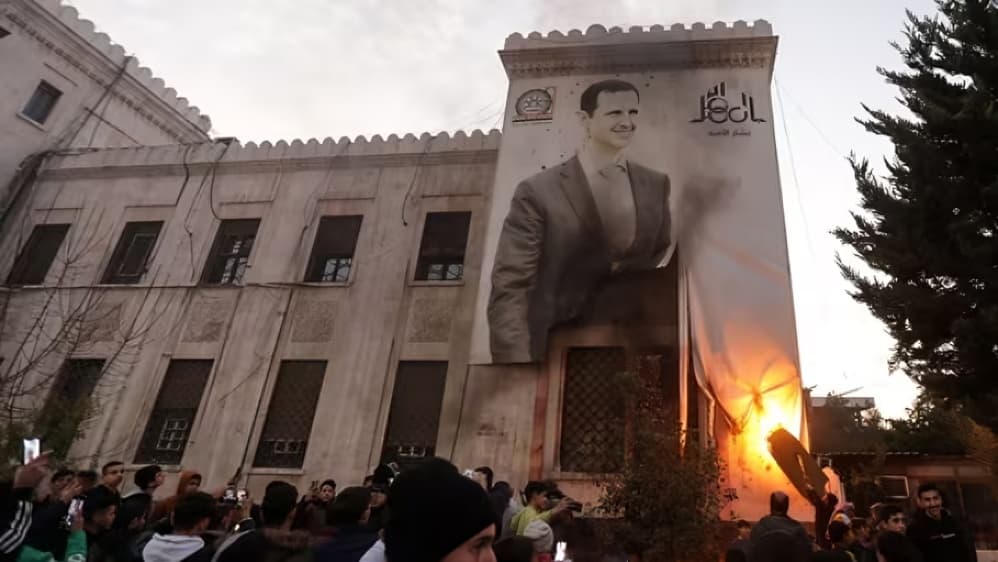
Syria has launched a public exhibition featuring weapons used during the military offensive that resulted in the fall of the Assad regime. The exhibition, held in the capital, showcases a range of firearms, explosives, and other equipment captured or used during the conflict. Syrian officials described the event as an effort to preserve the country’s military history and provide educational material for visitors, emphasizing the significance of the uprising in shaping modern Syria.
The exhibition includes rifles, machine guns, ammunition, and improvised explosive devices, accompanied by detailed descriptions of their use in key battles. Organizers stated that the display aims to document the military tactics employed during the offensive and to honor those involved in the campaign. According to Syrian authorities, the exhibit serves as both a historical record and a tool to educate younger generations about the nation’s recent past.
The opening of the exhibition has attracted attention from local citizens, historians, and international observers. Many visitors expressed curiosity about the weapons and the conflicts in which they were used, while some raised concerns about the political implications of showcasing tools of warfare so prominently. Experts caution that such displays may be used to convey specific narratives about the conflict and the legitimacy of different factions involved.
Critics argue that presenting conflict-era weapons in a public forum risks glorifying violence and could influence perceptions of the civil war in ways that are politically motivated. They note that Syria continues to experience tension and unrest, and exhibitions like this may serve as a tool to reinforce government perspectives about the conflict’s outcome. Human rights organizations have also highlighted that the broader humanitarian impact of the war—including civilian casualties and displacement—is not reflected in such displays.
Supporters of the exhibition argue that documenting military hardware and the tactics used provides valuable insight for students, researchers, and citizens interested in understanding the complexities of modern conflict. The exhibit also highlights technological and strategic aspects of the fighting, providing a resource for military historians and analysts.
The Syrian government emphasized that the exhibition is part of a broader effort to preserve the country’s history and to recognize the role of armed forces in achieving political objectives. Officials also indicated that future displays may include additional materials, such as photographs, documents, and first-hand accounts, to provide a comprehensive view of the military campaign.
As Syria continues to navigate post-conflict recovery, the exhibition serves as a reminder of the nation’s turbulent history and the role of armed struggle in political change. It also raises questions about how societies remember and present conflict, balancing educational objectives with ethical and political considerations.
The launch of the exhibition has sparked debate among Syrians and international observers, highlighting ongoing discussions about the legacy of the civil war, the presentation of military history, and the impact of public displays of weapons on national memory.


