
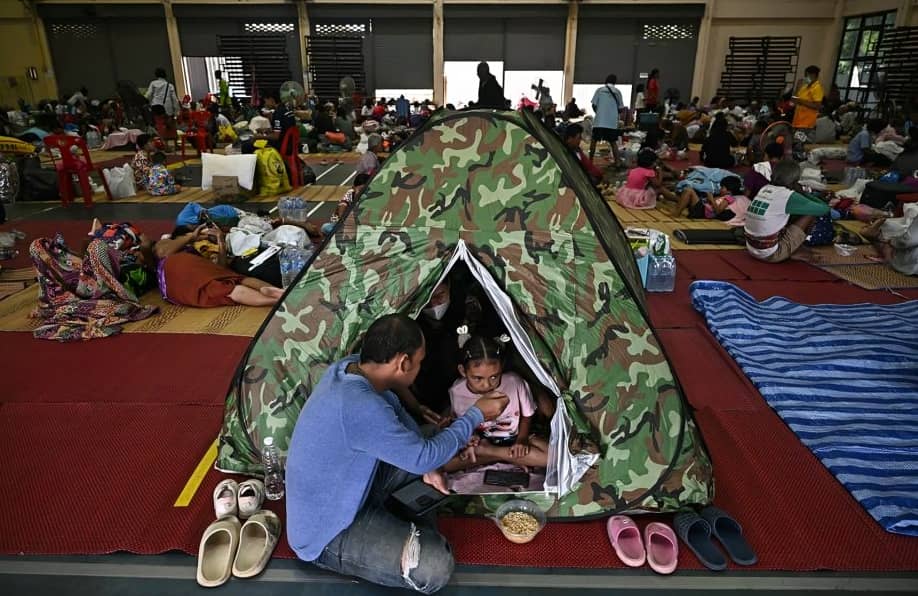
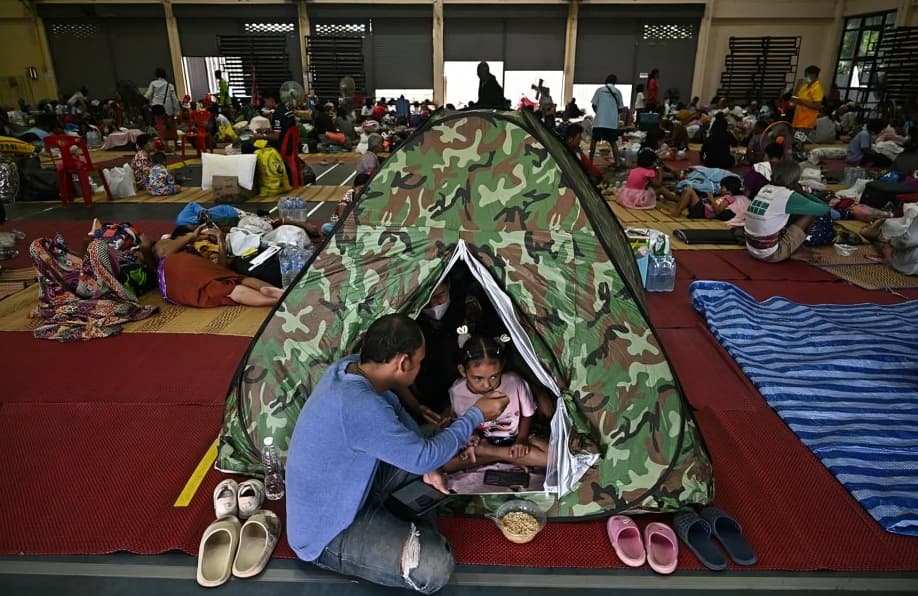
Clashes along the Thailand-Cambodia border have escalated over recent weeks, displacing nearly one million people and causing a humanitarian crisis in the affected regions. The fighting, involving armed forces from both countries, has disrupted local communities, forcing residents to leave their homes and seek safety in temporary shelters. Humanitarian organizations report severe shortages of essential supplies, including food, clean water, and medical care, making the situation critical for the displaced population.
The conflict has roots in longstanding territorial disputes between Thailand and Cambodia. Border areas, historically contested due to unclear demarcation and historical claims, have seen intermittent violence for decades. Recent escalations, however, have intensified, with artillery exchanges, small arms fire, and localized skirmishes damaging homes, infrastructure, and farmlands. Civilians, particularly women, children, and the elderly, bear the brunt of the conflict, with limited options for safe evacuation and basic necessities.
Temporary refugee camps have been established along safer regions, but conditions remain challenging. International aid organizations are working to provide food, medical assistance, and sanitation facilities, but the scale of displacement has overwhelmed resources. Schools and hospitals in border towns have been forced to close, further affecting vulnerable populations. Humanitarian experts warn of potential outbreaks of disease if water and sanitation needs are not met promptly.
The governments of Thailand and Cambodia have faced increasing pressure from international bodies to engage in dialogue and implement measures to protect civilians. Calls for an immediate ceasefire are growing louder, emphasizing the need for diplomatic solutions to prevent further escalation. Both sides have agreed to limited ceasefire arrangements in certain sectors, but sporadic fighting continues to threaten civilian lives.
The economic impact of the conflict is also significant. Border trade, a critical source of livelihood for many residents, has been disrupted, affecting local economies and reducing income for families dependent on cross-border commerce. Agricultural activities have been particularly hard hit, as farmlands near the border have been abandoned due to safety concerns.
Regional and international actors, including the United Nations, ASEAN, and humanitarian NGOs, are monitoring the situation closely. They emphasize the importance of coordinated relief efforts and the protection of human rights in conflict zones. The crisis highlights the vulnerability of civilians in areas affected by territorial disputes and the urgent need for long-term conflict resolution mechanisms.
As the situation develops, authorities and aid agencies continue to work to relocate displaced populations safely, provide emergency aid, and negotiate measures to prevent further violence. The Thailand-Cambodia border clashes serve as a stark reminder of the humanitarian toll of unresolved territorial disputes and the importance of sustained peace efforts in the region.


