
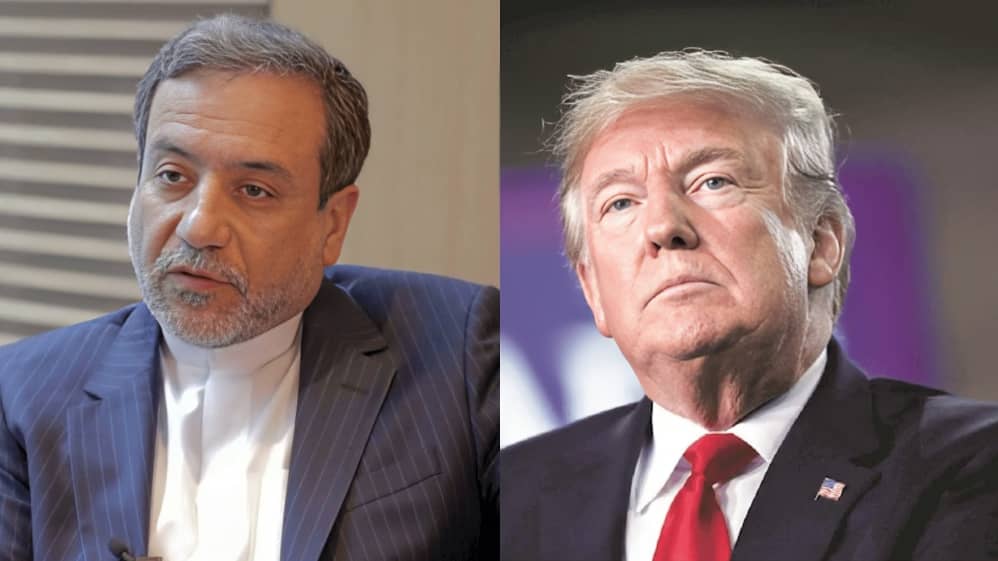
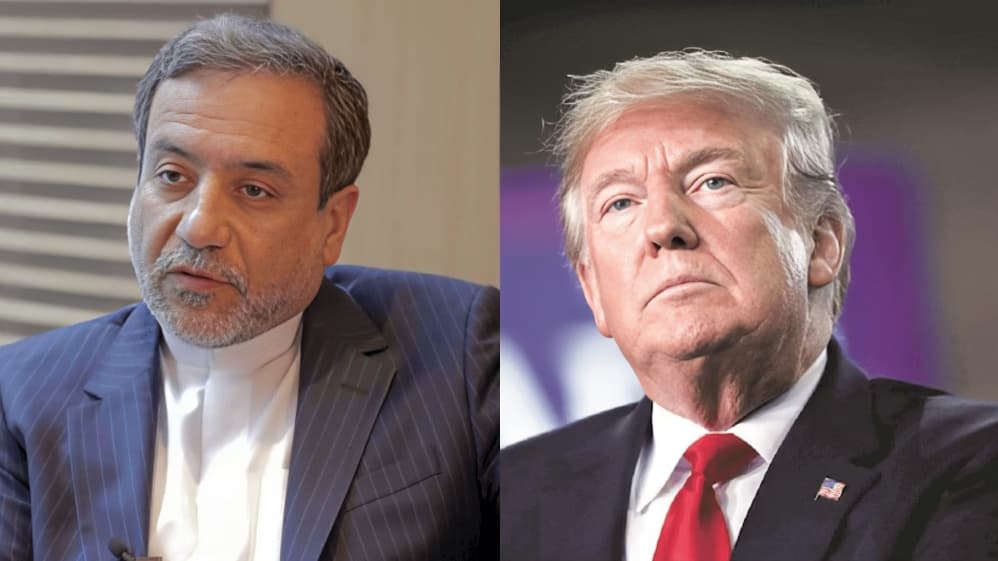
Iran’s Foreign Minister Seyed Abbas Araghchi has publicly criticized the United States over what he described as a change in Washington’s position regarding Russian oil imports. His comments come at a time when global energy markets are experiencing volatility amid geopolitical tensions and shifting international policies.
Speaking about the issue, Araghchi said that the United States had previously urged countries, including India, to reduce or stop purchasing Russian crude oil following the imposition of sanctions and diplomatic pressure related to international conflicts. However, he argued that recent developments suggest a shift in the US approach as concerns over global energy supply and market stability grow.
The Iranian foreign minister claimed that the United States is now encouraging countries to maintain or increase oil purchases to stabilize energy markets. According to him, this reflects changing priorities in global energy management during a period of uncertainty in international relations and fuel supply chains.
Global oil markets have been closely monitoring developments related to conflicts and geopolitical tensions in several regions. Such events often affect the production, transportation and pricing of crude oil. Countries that depend heavily on energy imports must adapt their policies to ensure stable supply for domestic consumption and economic activity.
India is among the world’s largest importers of crude oil and has diversified its energy sources over the years to manage supply risks and price fluctuations. In recent years, Indian refineries have increased purchases of Russian crude due to competitive pricing and availability in international markets. These purchases have been conducted in accordance with India’s energy security priorities and commercial considerations.
Energy analysts note that global oil trade is influenced by a combination of political decisions, market demand and logistical factors. Governments often adjust their positions on energy imports and exports depending on changing geopolitical conditions and domestic economic needs.
Araghchi’s remarks highlight the ongoing debate about the role of sanctions, international diplomacy and energy supply in shaping global trade patterns. Statements from political leaders and diplomats often reflect broader strategic disagreements among nations regarding economic policies and geopolitical alliances.
At the same time, energy experts emphasize that maintaining stability in global oil markets is essential for economic growth and international trade. Sudden disruptions in supply or transportation routes can have widespread effects on fuel prices, industrial production and consumer costs in many countries.
Observers say that discussions around energy policies are likely to continue as governments balance diplomatic objectives with economic and energy security priorities. In this context, major oil importing nations such as India remain focused on ensuring reliable supply and competitive pricing to support their domestic economies.
The situation remains dynamic as global political developments and market conditions continue to influence energy trade and international relations. Governments, energy companies and analysts are closely monitoring policy changes and diplomatic statements that may affect the future direction of global oil markets.


