Ukrainian President Volodymyr Zelenskyy has reportedly been given a strict deadline by US envoys to respond to a proposed peace agreement that would require Kyiv to accept territorial losses in exchange for unspecified American security guarantees. The Financial Times reported that Trump’s special envoy, Steve Witkoff, along with President Donald Trump’s son-in-law Jared Kushner, urged Zelenskyy to make a decision quickly, aiming for a resolution “by Christmas.”
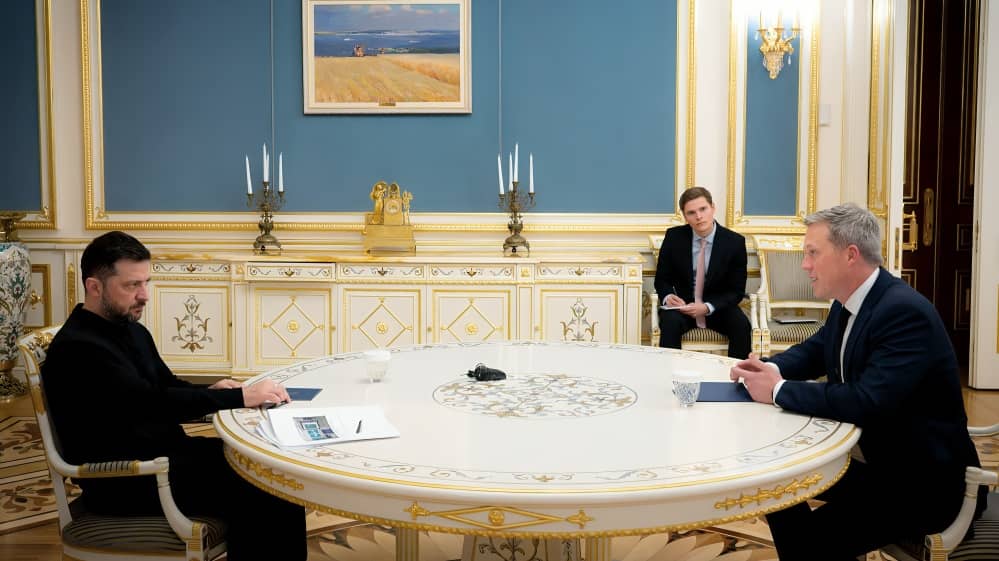
According to Ukrainian officials, Zelenskyy stressed the need to consult European partners before responding to the proposal. He expressed concern that the United States could act independently, potentially undermining the cohesion of Western allies and weakening the broader response to Russian aggression. European leaders have been closely involved in diplomatic efforts concerning Ukraine, making Kyiv’s consultation essential to maintain unity among Western nations.
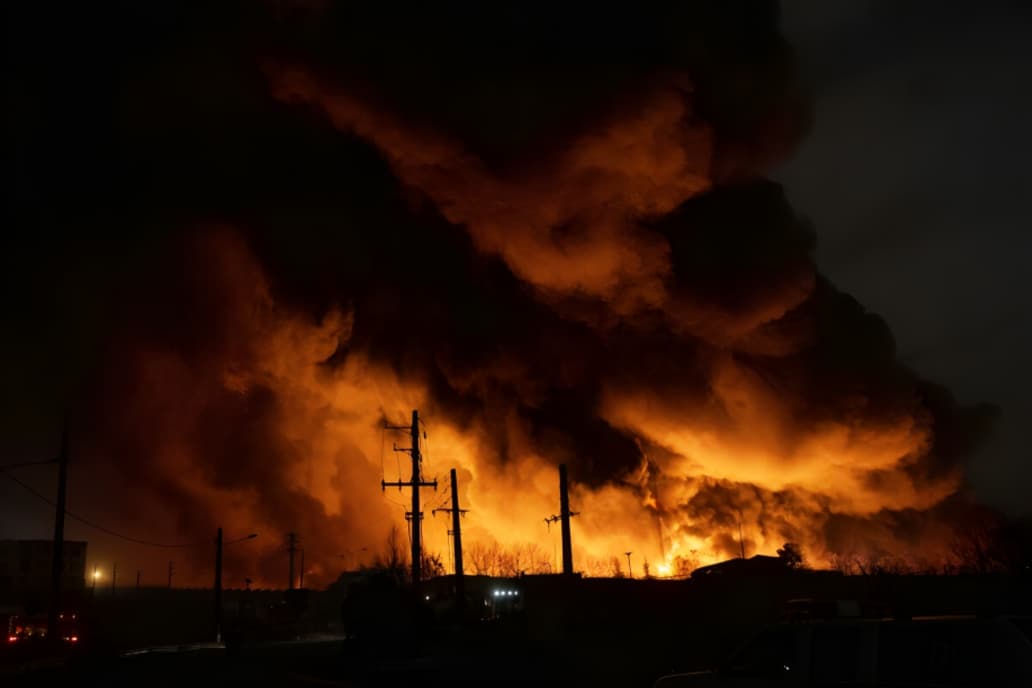
The proposed peace deal comes amid escalating military tensions. Russian forces have intensified missile and drone attacks on Ukraine’s energy system, causing significant disruptions. They have also continued gradual territorial advances in the south-east, creating further pressure on Kyiv’s leadership to consider potential avenues for conflict resolution. Analysts note that any agreement requiring territorial concessions would be politically sensitive within Ukraine, with potential implications for national morale and domestic politics.
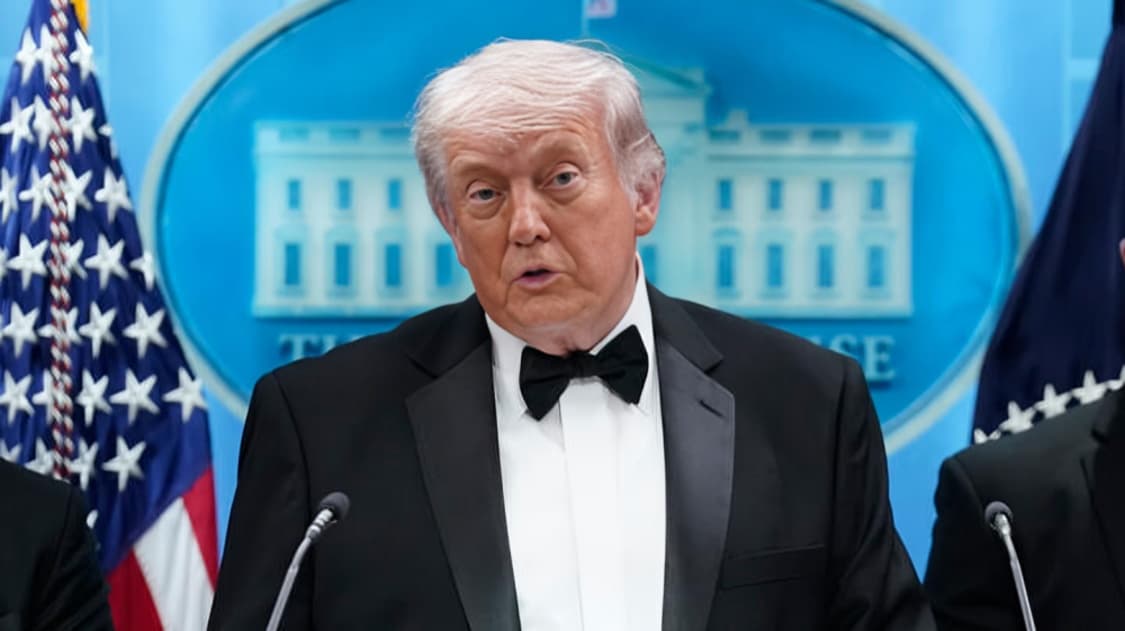
Trump’s deadline appears to reflect the former US President’s interest in achieving a rapid resolution, although the specifics of the security guarantees remain unclear. Observers have noted that such negotiations involve complex considerations, including the balance of military, economic, and political factors, as well as the need to ensure that any deal is sustainable and supported by key Western partners.
The situation underscores the challenges facing Zelenskyy, who must weigh the immediate pressures of ongoing Russian military activity against the strategic necessity of preserving alliances with Europe and other international partners. Accepting territorial losses could be seen as a pragmatic step to end conflict quickly, but it also carries risks of domestic backlash and long-term security concerns.
Meanwhile, diplomatic channels remain active, with European and US officials reportedly continuing discussions behind the scenes. Ukrainian leaders are expected to continue evaluating the proposals, seeking clarity on the nature of security guarantees and potential international support before making a formal decision.
In conclusion, Zelenskyy faces a high-stakes decision as US envoys set a narrow timeframe for consideration of a proposed peace deal with Russia. The deadline highlights the urgency of the situation, while ongoing Russian attacks emphasize the immediate pressures on Ukraine. Balancing domestic, regional, and international considerations will be critical as Kyiv navigates complex diplomatic negotiations, ensuring that any agreement aligns with national interests and preserves Western unity in addressing the conflict.