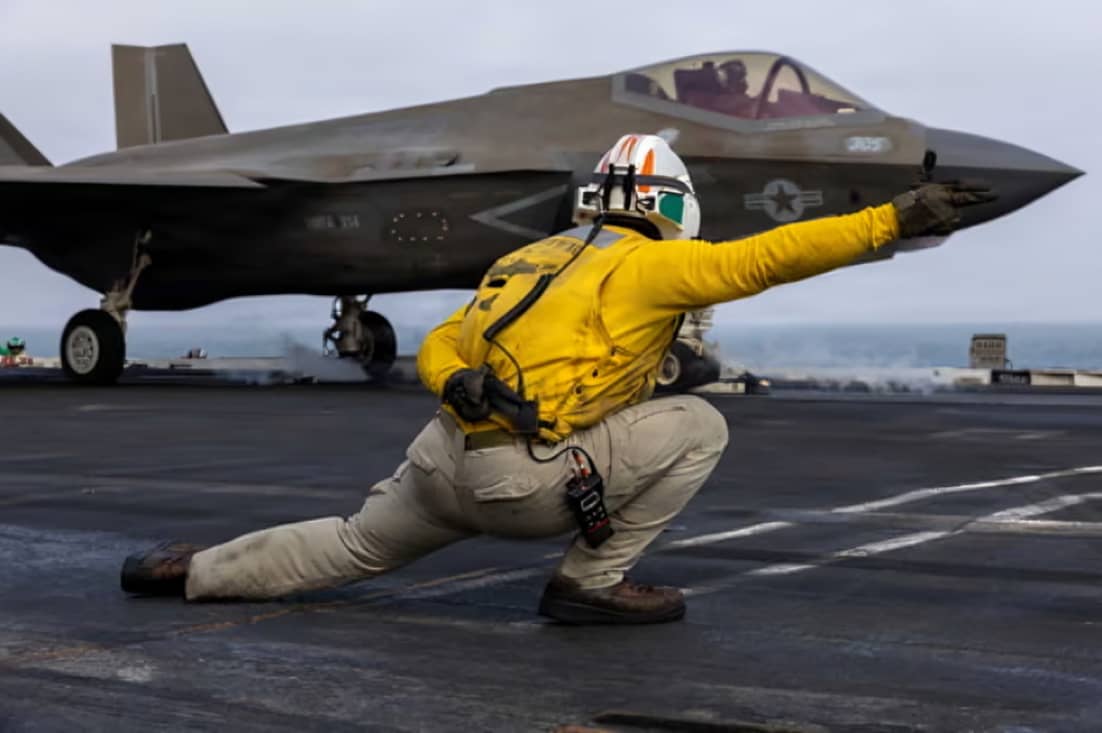
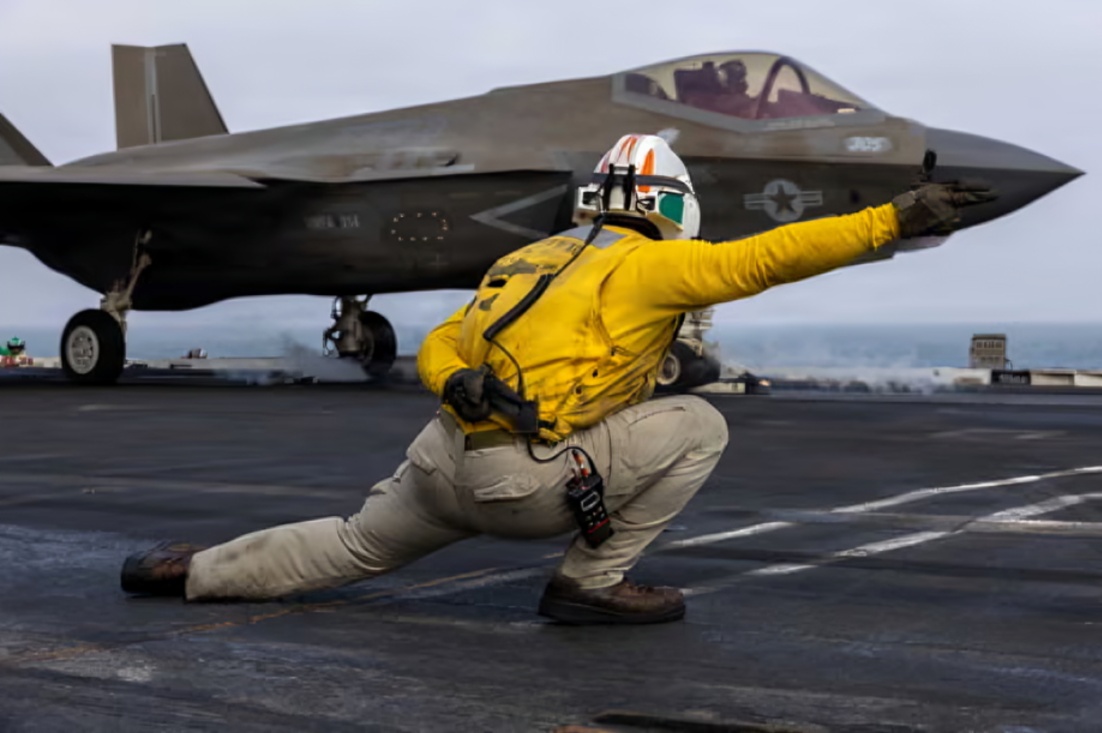
US President Donald Trump has directed the US Navy to abandon the Electromagnetic Aircraft Launch System, known as EMALS, on future Gerald R Ford class aircraft carriers and return to traditional steam powered catapults.
The directive was issued through a national security memorandum and specifically affects the future USS Doris Miller, designated CVN 81. The ship is the fourth carrier in the Gerald R Ford class. The first three carriers in the class will retain their existing electromagnetic launch systems.
Trump has been a long time critic of EMALS. He has argued that the electromagnetic system is overly complicated and has questioned its reliability compared with the steam catapults used for decades aboard Nimitz class carriers.
The new directive instructs Defence Secretary Pete Hegseth and Navy leadership to develop plans for replacing the electric based aircraft launch and elevator systems with steam and hydraulic technology. According to reports, the administration has given the Defence Department a limited period to prepare the required plans.
The decision represents a major change in the design philosophy of the Ford class. The class was developed with extensive electrical systems intended to improve aircraft launch capability, reduce manpower requirements and increase the number of aircraft sorties that can be generated during operations.
US Navy documents describe EMALS as one of the major technological improvements of the Ford class. The system replaced the traditional steam catapults used on Nimitz class carriers and was designed to provide greater control over aircraft launches while reducing stress on aircraft and lowering maintenance requirements.
EMALS uses electromagnetic energy to accelerate aircraft along the carrier's launch track. The system was developed by General Atomics and is already installed on the USS Gerald R Ford and other Ford class carriers.
The system has faced technical challenges during its development and early operational period. However, recent reports indicate that EMALS has completed tens of thousands of aircraft launches. Reuters reported that the system had recorded more than 36,000 launches and is also being used by the French Navy.
The decision to return to steam technology has therefore generated debate within defence circles. Supporters of Trump's position argue that steam catapults are a proven technology with decades of operational experience. They believe that using a familiar system could reduce concerns about reliability.
Critics, however, argue that replacing an advanced electromagnetic system with steam technology at this stage could create significant engineering and financial complications. The Doris Miller is already under construction, and reports indicate that work on the electromagnetic system is substantially advanced.
The redesign could require changes to the carrier's internal systems, power arrangements and engineering infrastructure. Such modifications could potentially increase construction costs and affect the delivery schedule.
The Ford class was specifically designed as an evolution of the Nimitz class, incorporating major technological changes. These include EMALS, advanced arresting gear, an all electric auxiliary system and other features intended to reduce manpower and improve operational efficiency.
The move also comes as the United States is attempting to expand its naval shipbuilding capacity. Trump's memorandum included several other measures related to ship construction, submarine maintenance and the expansion of naval industrial capacity.
The debate over aircraft carrier catapults also has a wider strategic dimension. China has introduced electromagnetic aircraft launch technology on its Fujian aircraft carrier, while France has also adopted EMALS technology for its future carrier programme. This means the US decision is being closely watched internationally.
The Navy's traditional steam catapult remains a proven system, but it requires extensive steam infrastructure and maintenance. Earlier congressional testimony noted that steam catapults provide the required aircraft launching capability but limit some of the potential advantages of the Ford class.
The Trump administration nevertheless maintains that reliability and proven technology should take priority. The decision reflects Trump's longstanding preference for established systems over technologies he considers unnecessarily complex.
The final cost and schedule impact of the change will depend on the engineering assessment and plans prepared by the Defence Department. The decision is expected to remain a subject of debate among Navy officials, defence companies and lawmakers as the US evaluates the future design of its aircraft carriers.
For now, the directive marks a significant reversal in US carrier aviation technology. The future USS Doris Miller and subsequent Ford class carriers could therefore represent a return to steam powered aircraft launch technology after the Navy invested years in developing and deploying electromagnetic systems.