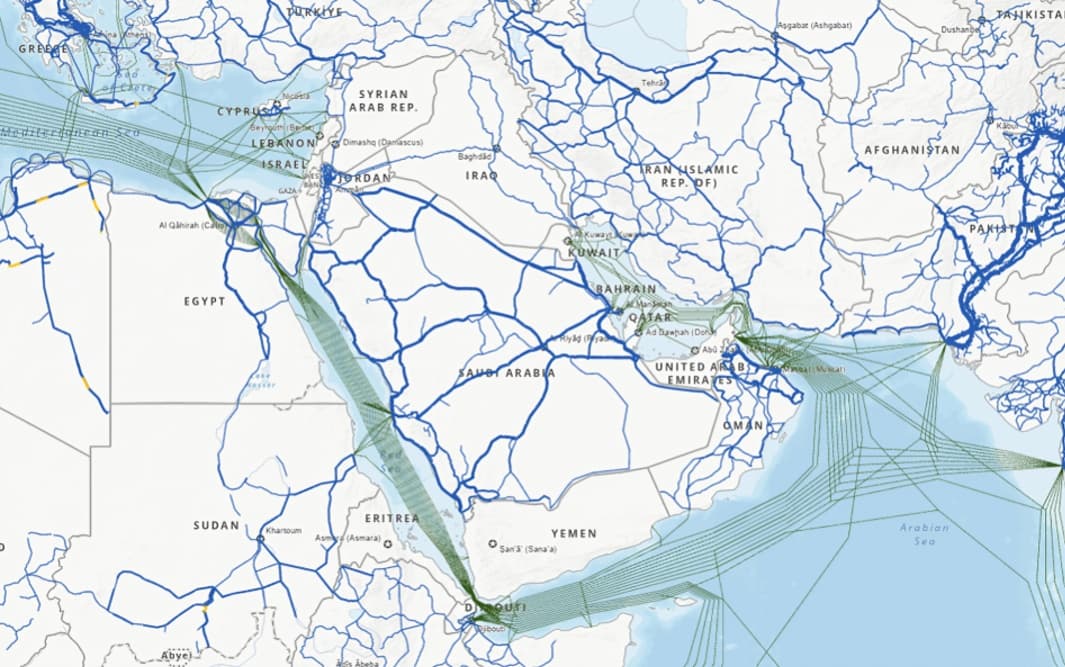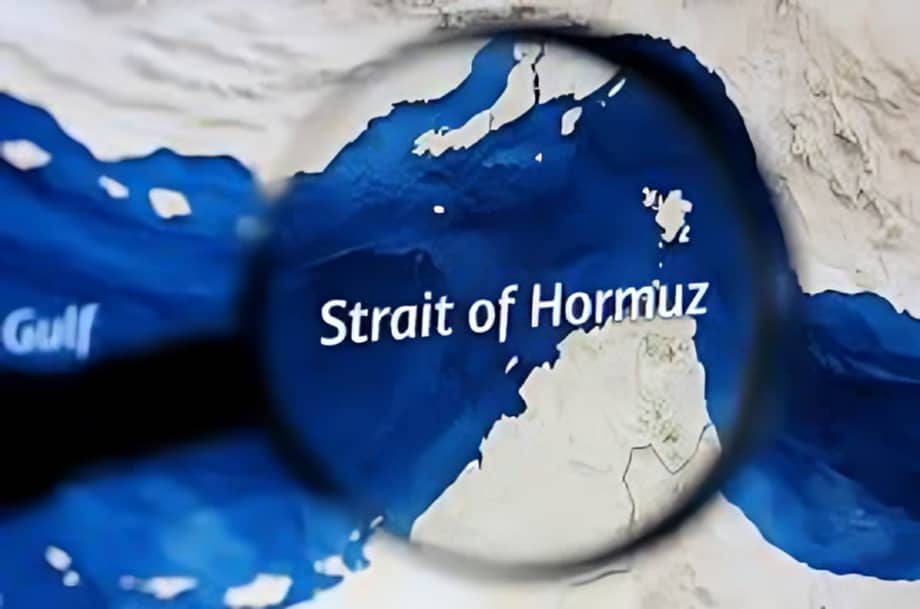
The United Arab Emirates is reportedly evaluating the possibility of joining military operations against Iran to restore access to the Strait of Hormuz, a crucial waterway for global oil shipments. Since February 28, Iranian forces have blocked the strait, creating a significant energy supply disruption and intensifying tensions across the Middle East. The move comes as the conflict enters its 33rd day, drawing international attention to the region’s security and economic stability.
The Strait of Hormuz is a critical chokepoint in global energy trade, with nearly one-fifth of the world’s oil supply passing through this narrow waterway. Any prolonged closure poses serious risks to energy markets, increasing fuel costs and threatening economic stability worldwide. The UAE, a major oil exporter, is particularly affected by the blockade and has expressed concerns over its economic and strategic implications.
According to multiple reports, Abu Dhabi is considering limited military intervention to reopen the strait and ensure safe navigation for commercial shipping. The UAE’s potential involvement is seen as a measure to protect its national interests and safeguard the uninterrupted flow of energy. Officials are reportedly weighing diplomatic and military options, aiming to coordinate with regional allies to mitigate escalation.
International reaction to the possible UAE intervention has been cautious. Global powers are closely monitoring the situation, given the potential for broader conflict in the Persian Gulf. Analysts suggest that any UAE military action could heighten tensions with Iran and trigger retaliatory measures, including attacks on energy infrastructure or shipping routes.
The UAE has historically maintained strong defense capabilities and strategic alliances, particularly with Western nations. Reports indicate that Abu Dhabi may seek coordination with partners in the Gulf Cooperation Council (GCC) and potentially with international stakeholders to ensure that any operations are measured and focused on reopening the strait rather than escalating the broader conflict.
Energy experts warn that the disruption at the Strait of Hormuz has already caused a ripple effect in global oil markets, with crude prices surging in response to limited supply. Prolonged uncertainty could drive further increases in fuel prices, impacting industries and consumers worldwide. The UAE’s decision on potential military involvement will therefore have both regional and global economic implications.
Diplomatic channels remain active, with calls for a peaceful resolution to prevent further escalation. However, the strategic significance of the Strait of Hormuz means that the UAE may feel compelled to act to protect its energy exports and maintain regional stability. Any intervention will require careful coordination to minimize risks to international shipping and avoid unintended consequences.
In summary, as the Middle East conflict continues, the UAE is reportedly considering a military response to the Iranian blockade of the Strait of Hormuz. While aimed at restoring energy flow, such a move carries significant geopolitical and economic risks, highlighting the fragility of regional security and the interconnected nature of global energy markets.