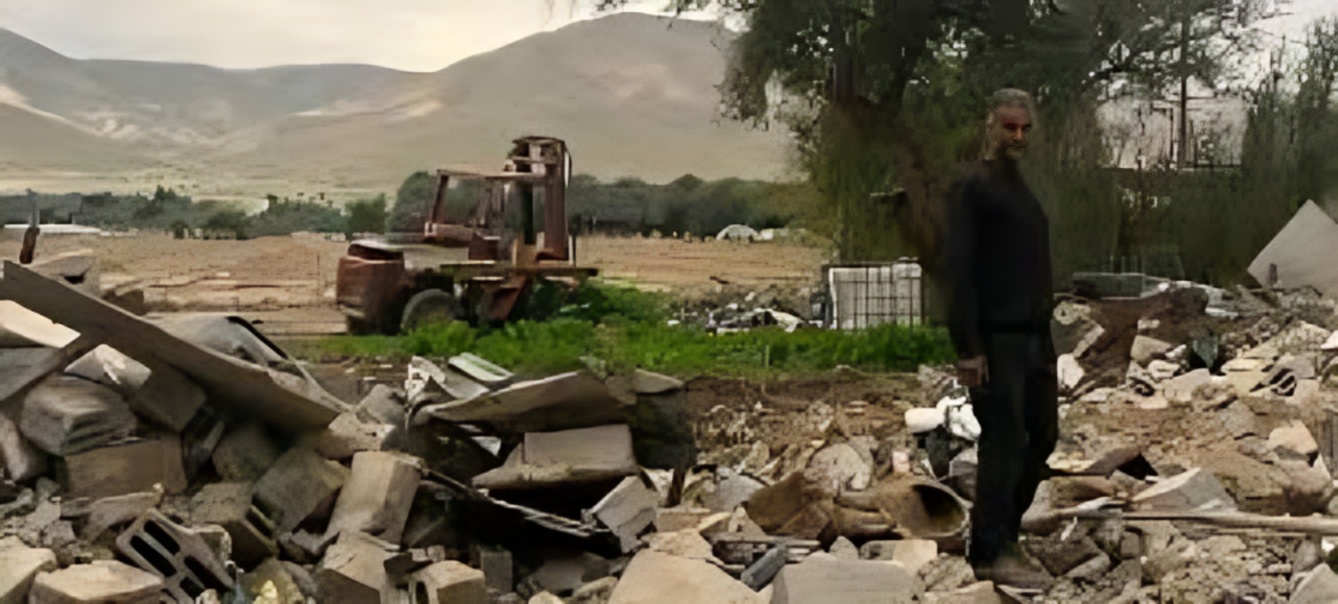
The United Nations has issued a warning over the deteriorating situation in the occupied West Bank, saying that increasing settler violence, displacement and settlement expansion are pushing the territory towards a critical point.
UN officials have raised concerns about the growing number of attacks by Israeli settlers against Palestinians and Palestinian property. More than 1,400 incidents of settler violence have reportedly been recorded during the latest monitoring period. The attacks have contributed to an increasingly difficult security and humanitarian environment for communities across the West Bank.
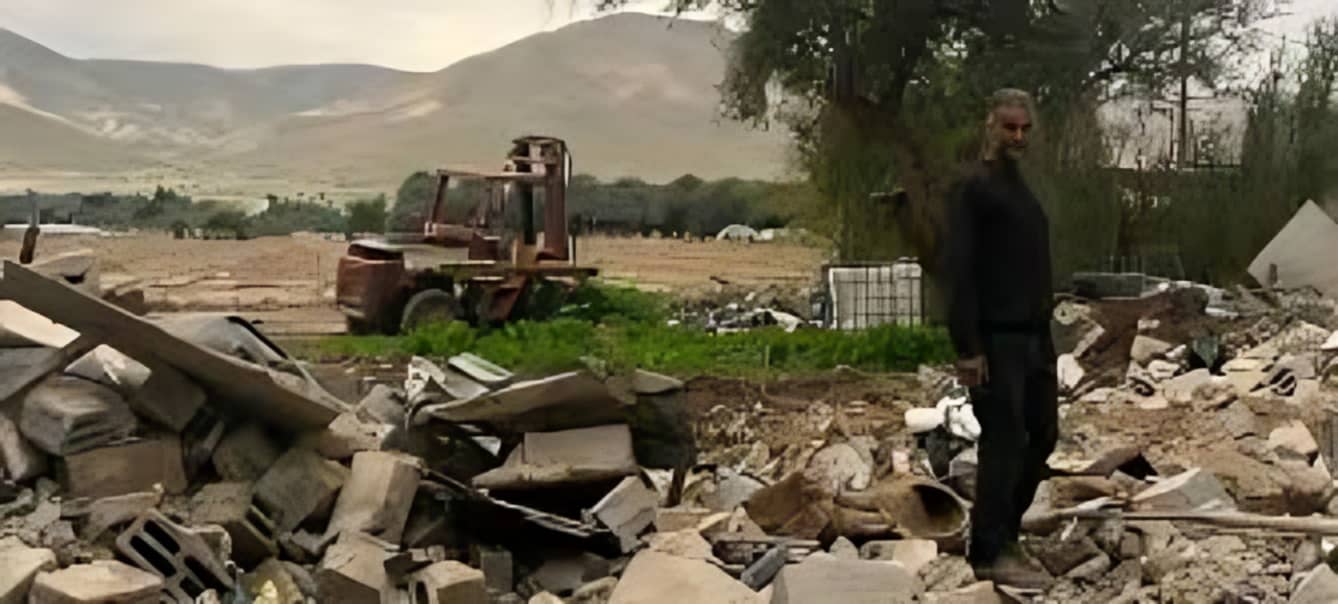
The United Nations has warned that continued violence could lead to further displacement and deepen an already serious humanitarian crisis. Palestinian families living in vulnerable communities face challenges related to security, access to land, movement restrictions and the destruction or damage of property.
Settler violence has been a long-standing concern in the West Bank. Incidents have included physical attacks, damage to homes and agricultural property, intimidation and other forms of violence. Humanitarian organisations have repeatedly called for stronger protection of civilians and accountability for those responsible for attacks.
The UN has also expressed concern over the expansion of Israeli settlements in the occupied West Bank. Settlement activity remains one of the most contentious issues in the Israeli Palestinian conflict. Palestinian authorities and many international organisations consider settlement expansion a major obstacle to the possibility of establishing a future Palestinian state.
The increase in settlement activity and violence has occurred amid a broader deterioration in the security situation across the region. The war in Gaza and continuing tensions between Israel and Palestinian groups have contributed to heightened instability in the West Bank.
The humanitarian consequences are particularly serious for Palestinians living in rural and isolated communities. Some families have reported difficulties accessing farmland, schools, healthcare facilities and other essential services because of security concerns and movement restrictions.
Displacement is another major concern highlighted by the United Nations. Communities that depend on agriculture and livestock can face severe economic pressure when access to their land becomes restricted or when property is damaged. Repeated incidents can force families to leave their homes in search of safer locations.
UN agencies have warned that the current developments could create long-term humanitarian consequences if urgent measures are not taken. Preventing further displacement and protecting civilians are among the key priorities identified by international humanitarian organisations.
The United Nations has called for respect for international humanitarian law and the protection of civilians. It has also urged authorities to ensure accountability for acts of violence and to prevent further escalation.
The situation in the West Bank is closely connected to the wider Israeli Palestinian conflict. The territory has remained under Israeli occupation since 1967 and is central to Palestinian aspirations for an independent state. The international community has for years debated the status of settlements and the future political arrangements for the region.
The continued expansion of settlements and rising violence have added further complications to efforts aimed at resolving the conflict. International diplomatic initiatives have repeatedly called for a political solution based on negotiations, but progress has remained limited.
The current humanitarian situation is also affected by economic difficulties. Restrictions on movement and access to land can limit employment opportunities and reduce household incomes. Communities affected by violence may also require emergency assistance and protection.
Children and other vulnerable groups can be particularly affected by instability. Disruptions to education, healthcare and normal daily activities can have lasting consequences for families. Humanitarian agencies have stressed the need to maintain access to essential services regardless of political developments.
The UN warning comes as international attention remains focused on the broader conflict between Israel and Palestinian groups. The continuing violence in Gaza and tensions across the region have increased fears that instability could spread further.
The West Bank has also experienced increased security operations and confrontations. Such developments can contribute to further tension between Palestinian residents, Israeli security forces and settlers.
The United Nations has stressed that protecting civilians must remain a priority. It has also warned that continued displacement and settlement expansion could undermine prospects for a sustainable political settlement.
The reported figure of more than 1,400 settler attacks highlights the scale of the concern. However, individual incidents vary in nature and severity, and official investigations are important for establishing responsibility and determining the circumstances of each case.
The UN's warning that the West Bank is approaching a breaking point reflects concerns that the combination of violence, displacement and settlement expansion could create irreversible changes on the ground.
International organisations have therefore urged immediate action to reduce violence and protect affected communities. They have called for authorities to enforce the law, investigate allegations of violence and ensure that humanitarian organisations can provide assistance to people in need.
The future of the West Bank remains closely linked to broader negotiations over the Israeli Palestinian conflict. A reduction in violence and meaningful steps towards addressing the political dispute would be necessary to improve the humanitarian and security situation.
For now, the United Nations continues to monitor developments and assess the impact on Palestinian communities. The latest warning underlines the growing international concern that continued violence and displacement could further destabilise the region.
The situation remains fluid, and the humanitarian needs of affected communities are expected to remain significant unless violence decreases and access to essential services improves. International calls for civilian protection, accountability and respect for international law are likely to continue as the situation develops.