Tensions in West Asia have entered a more complex phase as developments involving the United States and Iran continue to unfold. The situation has intensified with reports of a maritime blockade targeting Iranian ports, marking a shift from earlier forms of confrontation such as air and missile based operations to increased economic and naval measures.
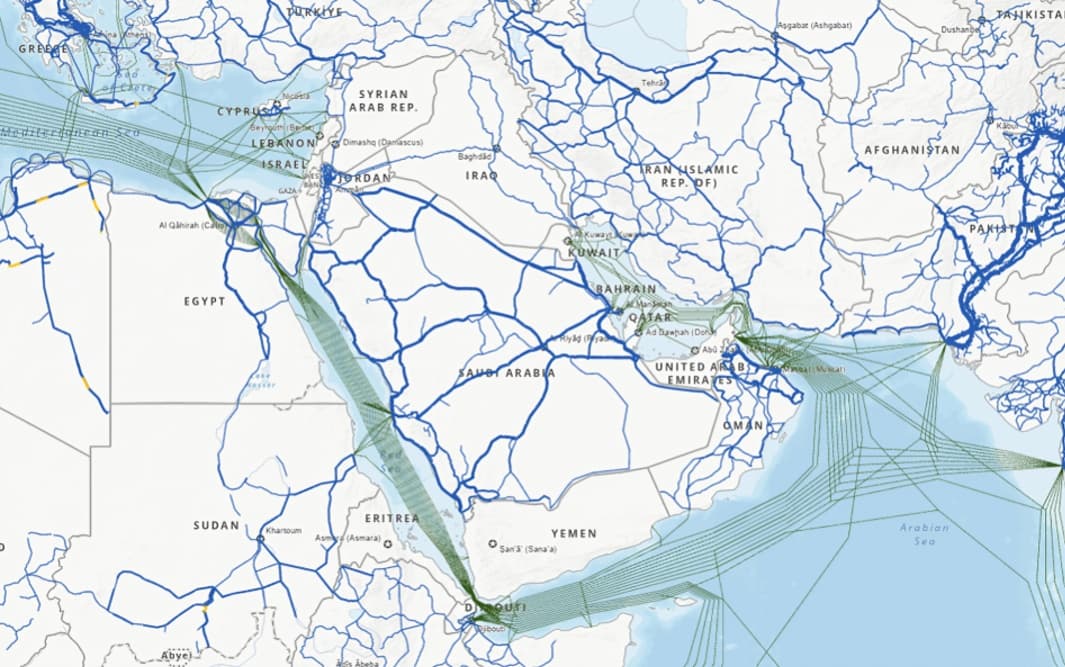
The blockade is seen as a significant strategic move, as it directly impacts Iran’s ability to engage in maritime trade. Such actions can influence not only bilateral relations but also broader global markets, particularly those connected to energy supplies. The Strait of Hormuz remains a key area of concern, as it is one of the most important routes for global oil shipments.
Former United States President Donald Trump has indicated that there may be progress toward a resolution, suggesting that diplomatic engagement could lead to a settlement. However, Iranian authorities have strongly criticized the blockade, describing it as an unlawful action and warning of potential retaliation if the situation continues.
The evolving situation has also drawn attention to the role of regional dynamics. A ceasefire between Israel and Lebanon has recently come into effect, adding another layer to the geopolitical landscape. While the ceasefire may help reduce tensions in one part of the region, the broader conflict involving Iran and the United States continues to pose risks.
Global trade and energy markets are particularly sensitive to developments in this region. Any disruption in shipping routes, especially through the Strait of Hormuz, can lead to fluctuations in oil prices and impact economies worldwide. Countries that rely heavily on energy imports are closely monitoring the situation.
Diplomatic efforts are ongoing, with international stakeholders encouraging dialogue and de escalation. Organizations and governments are working to prevent further escalation and maintain stability in the region. However, the situation remains uncertain, as both sides continue to assert their positions.
Experts highlight that naval blockades and economic measures can have far reaching consequences, affecting not only the countries directly involved but also global supply chains. The interconnected nature of modern trade means that regional conflicts can quickly have international implications.
The current phase of the conflict underscores the importance of diplomatic engagement and conflict resolution mechanisms. Maintaining open communication channels and adhering to international norms are seen as critical steps in preventing further escalation.
As the situation develops, global attention remains focused on how both sides respond to the evolving dynamics. The combination of military, economic, and diplomatic factors makes this a complex and high risk scenario.
The coming days are expected to be crucial in determining the direction of the conflict. Observers are watching closely for any signs of de escalation or further intensification, as the outcome will have significant implications for regional stability and global economic conditions.