The confrontation between the United States and Iran has entered a new and potentially dangerous phase, with Washington preparing a sweeping economic offensive against Tehran and Iran threatening retaliatory measures targeting Gulf oil exports.
US Treasury Secretary Scott Bessent has described the latest US campaign as an economic D Day. He said Washington intends to use a broad range of financial and economic measures to cut off what the administration considers Iran's remaining economic lifelines. The planned measures are expected to target countries and businesses that continue commercial relations with Tehran.
The announcement has been met with a strong response from Iranian officials. Mohsen Rezaei, secretary of Iran's Supreme National Security Council, warned that Tehran could halt oil exports through the Strait of Hormuz and elsewhere in the Persian Gulf if what Iran describes as an economic war continues. He also warned that countries supporting the new US pressure campaign could face retaliation.
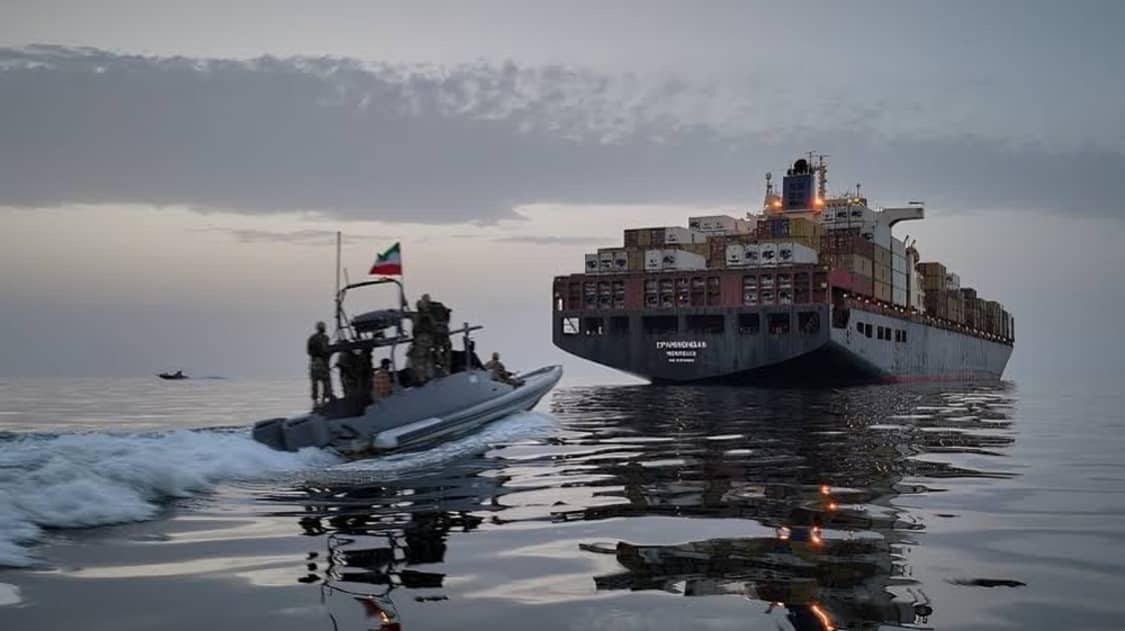
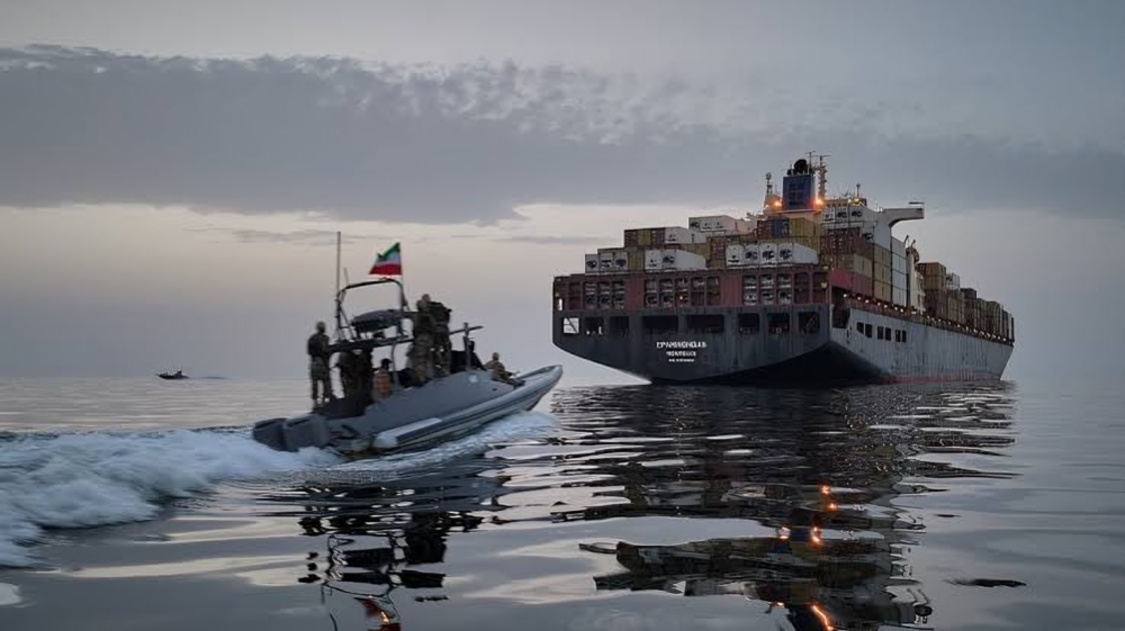
The Strait of Hormuz has become the central point of concern in the latest escalation. The narrow waterway is one of the world's most important routes for energy shipments, and restrictions on maritime traffic could have consequences far beyond the Middle East.
Recent shipping data indicated that fewer than 20 commodity vessels crossed the Strait of Hormuz over the weekend amid the continuing confrontation. The decline in traffic has increased concerns over the movement of crude oil and other commodities through one of the world's most important maritime corridors.
The latest economic confrontation comes after months of conflict and military pressure involving the United States, Israel and Iran. Reuters reported that direct military strikes between the main sides had not occurred for several weeks, but meaningful negotiations to end the wider conflict had also stalled.
Iran's economy was already under significant pressure before the latest escalation. Years of international sanctions had affected trade, investment, access to foreign currency and the country's energy sector. The war has added further pressure through damage to infrastructure, disruption of production and higher economic costs.
Washington's new measures are intended to increase that pressure by targeting not only Iran but also entities that continue doing business with the country. The US administration has indicated that businesses and governments maintaining economic ties with Tehran could face consequences under the new sanctions strategy.
The response from Iran has focused heavily on energy exports. Any sustained disruption to oil shipments from the Gulf could have implications for international energy markets because the region remains a major source of crude oil and petroleum products.
Oil markets have already reacted to the uncertainty surrounding the latest measures. Trading on August 24 showed crude prices moving lower as investors assessed the expected sanctions while continuing to monitor risks surrounding the Strait of Hormuz.
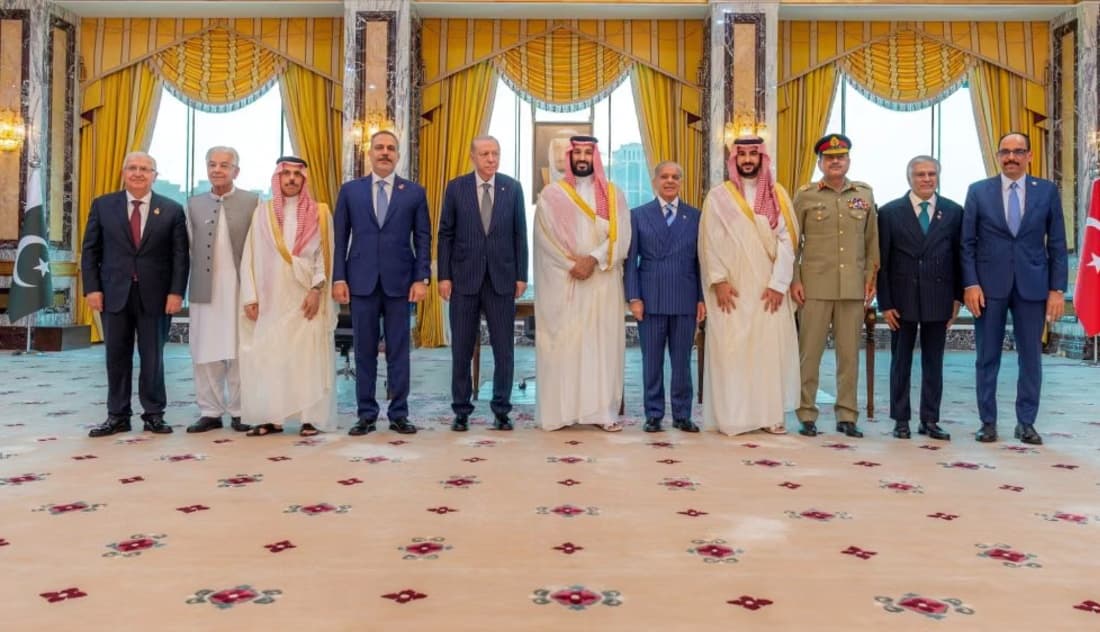
The crisis is also creating wider diplomatic pressure. China has argued that sanctions and pressure are unlikely to resolve the dispute and has called for diplomacy. Other countries, including Pakistan, Qatar and Türkiye, have attempted to encourage dialogue between the parties. Pakistan's army chief Asim Munir was expected to travel to Tehran as part of ongoing diplomatic efforts.
Iranian officials have indicated that additional economic pressure could worsen domestic economic difficulties, including inflation and unemployment. Tehran faces the challenge of maintaining economic stability while dealing with restrictions on trade and the consequences of the conflict.
At the same time, the United States is seeking to convince Iran and countries trading with it that continued economic cooperation with Tehran will carry increasing costs. This approach represents a shift toward intensifying financial pressure rather than relying only on direct military action.
The Strait of Hormuz remains the biggest immediate concern. Any prolonged interruption could affect energy prices, shipping costs, insurance premiums and global supply chains. Saudi Arabia is already discussing measures to help manage sharply higher maritime war risk insurance costs as regional security risks rise.
Despite the increasingly strong rhetoric from both sides, the possibility of diplomatic engagement has not completely disappeared. Regional countries continue to seek channels for negotiation, while the international community remains concerned that further escalation could spread beyond Iran and the Gulf.
The latest developments therefore represent a significant escalation in the economic dimension of the US Iran confrontation. Washington is preparing tougher sanctions, while Tehran is threatening to use its position in the Gulf and the Strait of Hormuz as leverage.
The impact of the confrontation will depend largely on how the new US sanctions are implemented, how Iran responds and whether diplomatic efforts can prevent further escalation. For global markets, the most immediate concern remains the security of energy shipments through the Gulf and the potential consequences for oil supplies and prices.