Efforts to de-escalate the ongoing conflict in Iran have taken a diplomatic turn, with United States, Iran, and regional mediators reportedly discussing a two-phase plan to bring an end to hostilities. According to a report by Axios, the first phase of the plan involves a proposed 45-day ceasefire, designed to halt fighting and provide a window for humanitarian and political interventions.
The second phase of the plan focuses on negotiations for a permanent resolution of the conflict. Officials involved in the discussions are exploring mechanisms to address core issues that triggered the war, aiming to establish a sustainable peace framework acceptable to all parties. This approach underscores the recognition that a short-term cessation of hostilities alone is insufficient without long-term political solutions.
The 45-day ceasefire is intended to create a pause in violence, allowing for the safe movement of civilians, delivery of essential humanitarian aid, and stabilization of critical infrastructure. Observers note that such a ceasefire could prevent further loss of life and help mitigate economic disruptions caused by the ongoing conflict.
Regional mediators are playing a central role in facilitating dialogue between the parties. Their involvement reflects the importance of neutral intermediaries in conflicts with broad regional implications. The proposed ceasefire period will serve as a confidence-building measure, giving negotiators time to work on substantive discussions without immediate pressure from ongoing military operations.
Analysts emphasize that success will depend on mutual compliance, monitoring mechanisms, and the willingness of both sides to engage in dialogue in good faith. Lessons from previous ceasefires indicate that robust verification and transparency measures are essential to prevent violations and maintain credibility among parties.
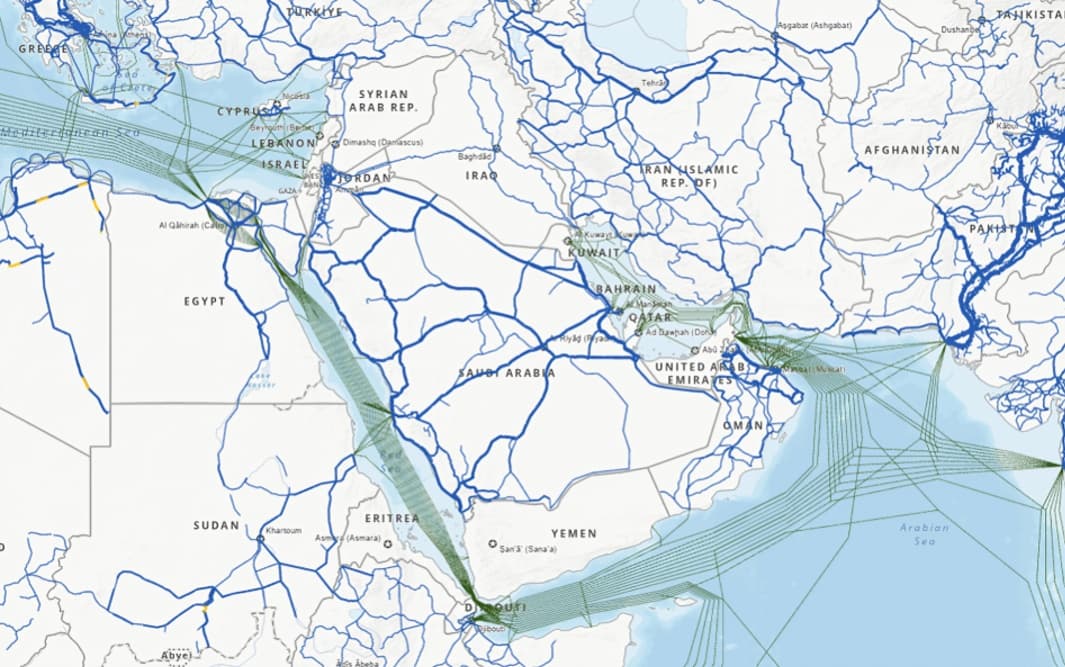
For the international community, the two-phase plan carries significant geopolitical implications. A reduction in hostilities could stabilize regional energy markets, ensure safer maritime navigation in critical corridors, and reduce refugee flows from conflict zones. It may also influence global diplomatic alignments and security cooperation.
India and other countries closely monitoring the conflict have a vested interest in its resolution. Disruptions in energy supply and regional instability directly affect trade, inflation, and economic growth. The proposed ceasefire offers a pathway to reduce uncertainty while setting the stage for broader engagement on regional security issues.
Critics caution that the path to peace remains challenging. Deep-seated mistrust, unresolved political grievances, and ongoing military operations could complicate implementation. However, the plan represents one of the most structured diplomatic efforts to date to bring a temporary halt to the fighting and lay groundwork for a lasting resolution.
In conclusion, the proposed 45-day ceasefire, followed by negotiations for a permanent settlement, highlights the importance of diplomacy and mediation in resolving complex international conflicts. Success could not only prevent further humanitarian crises but also establish a framework for long-term stability in West Asia, benefiting both regional and global stakeholders.