The recent conflict between the United States and Iran, which involved weeks of sustained military action, has concluded with a temporary ceasefire. While the United States described the outcome as a success, analysts and reports indicate that several key objectives remain unresolved, highlighting the complexities of the situation.
Over the course of approximately 40 days, the United States carried out extensive strikes targeting various strategic locations in Iran. These included military installations, infrastructure, and other key sites. Despite the intensity of the operations, Iran continued to maintain its defensive capabilities and respond with counter measures.
One of the primary objectives of the United States was to significantly weaken Iran’s strategic and military position. However, reports suggest that Iran’s missile and drone capabilities remained operational throughout the conflict. The country also demonstrated its ability to respond by targeting positions associated with United States interests in the region.
Another important goal was related to broader political outcomes, including influencing Iran’s internal structure and policies. However, these objectives were not fully achieved, as the existing political framework in Iran remained intact. Core issues that contributed to the conflict, such as nuclear policy, sanctions, and regional security concerns, also remain unresolved.
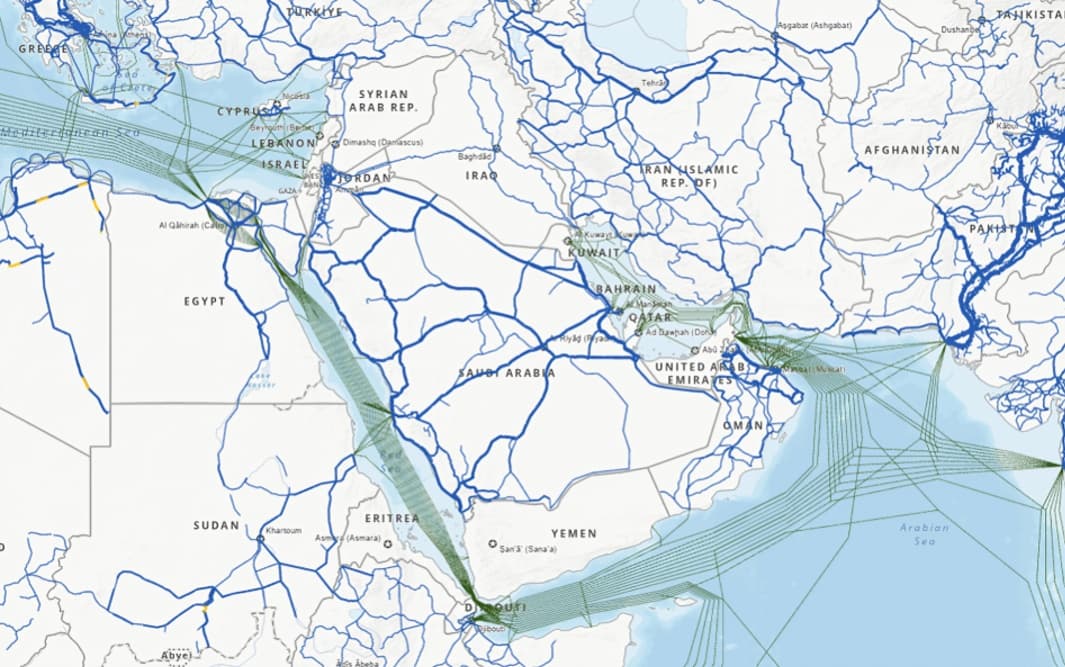
The Strait of Hormuz, a crucial route for global oil transportation, became a focal point during the conflict. Disruptions in this area led to volatility in global energy markets and affected supply chains. The reopening of the route eventually occurred as part of the ceasefire understanding, indicating the role of negotiation in resolving critical issues.
The conflict also had wider regional implications. Tensions extended beyond the immediate parties involved, affecting neighboring areas and increasing instability across the Middle East. Various incidents involving allied groups and strategic locations contributed to the expansion of the crisis.
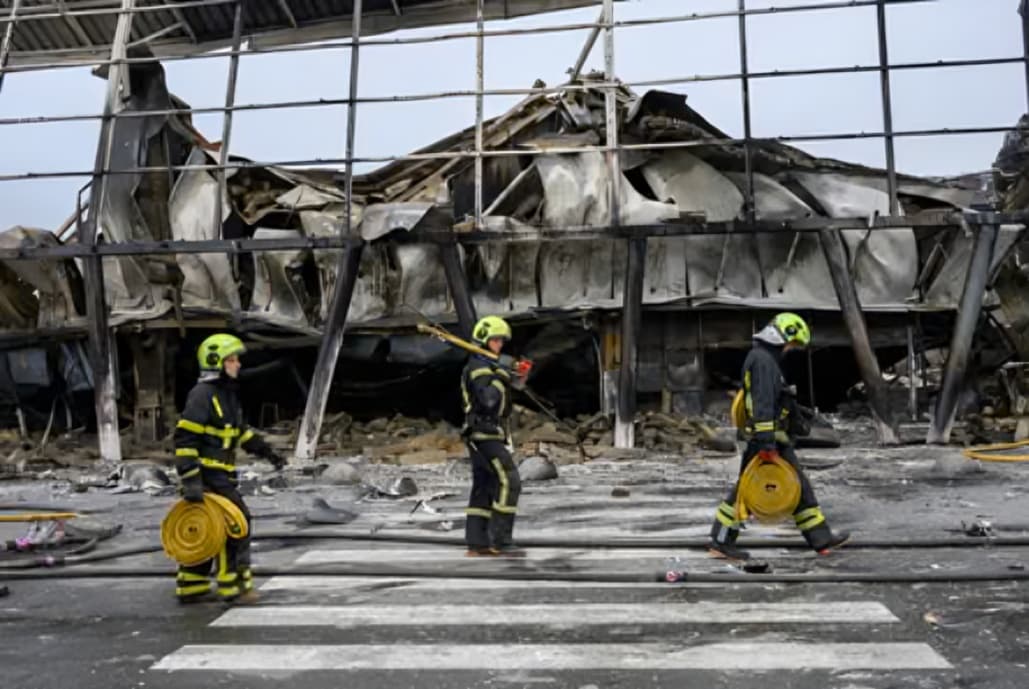
From an economic perspective, the conflict imposed significant costs. Military operations required substantial resources, and disruptions in global trade had broader financial implications. The humanitarian impact was also notable, with concerns raised about civilian safety and infrastructure damage.
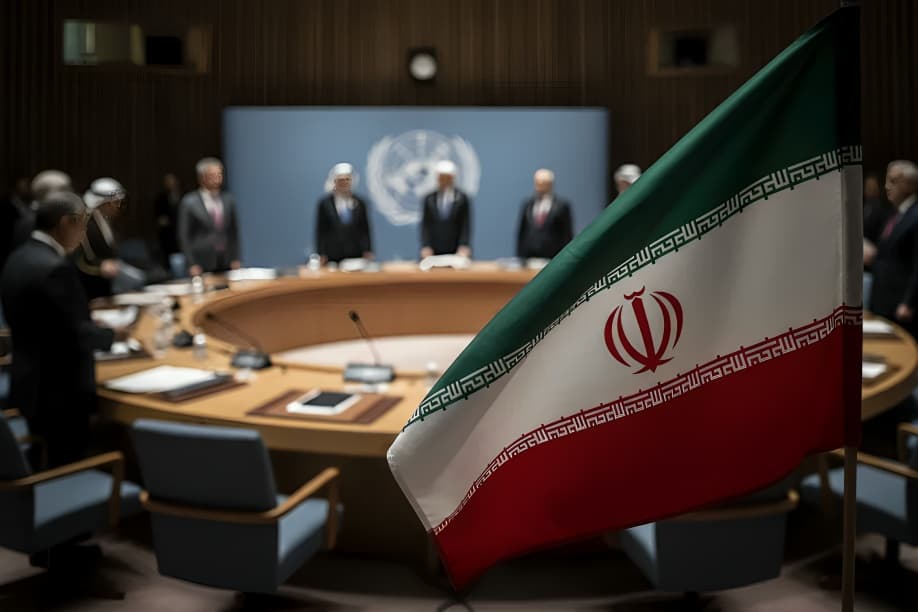
Despite these challenges, the conclusion of active hostilities has shifted attention toward diplomacy. The ceasefire is seen as a step toward renewed negotiations, with both sides expected to engage in discussions to address outstanding issues. Mediators and international stakeholders are likely to play a role in facilitating these talks.
Experts emphasize that the outcome of the conflict demonstrates the limitations of military action in resolving complex geopolitical issues. While force can influence immediate situations, long term solutions often require sustained diplomatic engagement and cooperation.
As the ceasefire holds, the focus remains on whether ongoing discussions can lead to a more stable and lasting agreement. The situation continues to be closely monitored, as developments in the region have far reaching implications for global security and economic stability.