
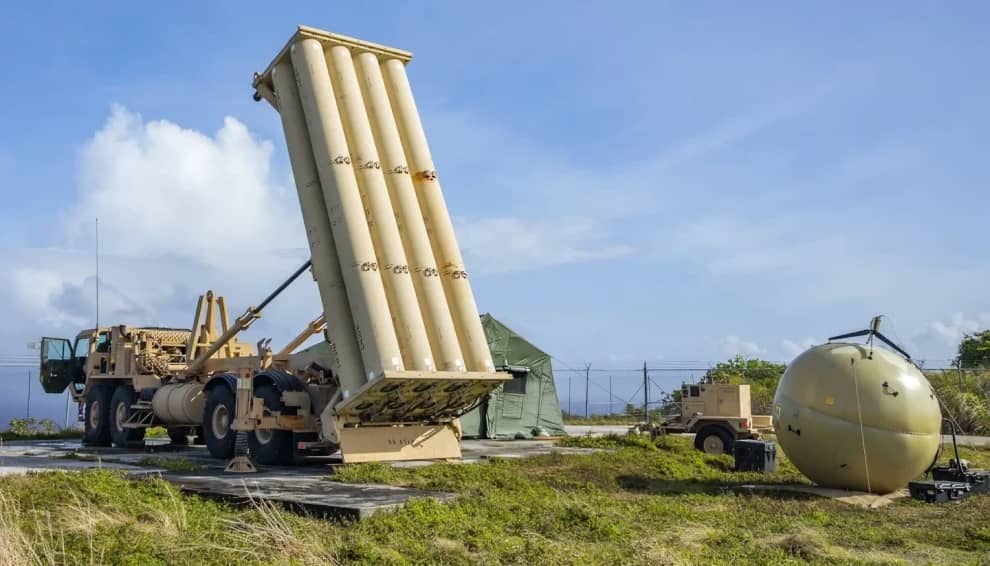
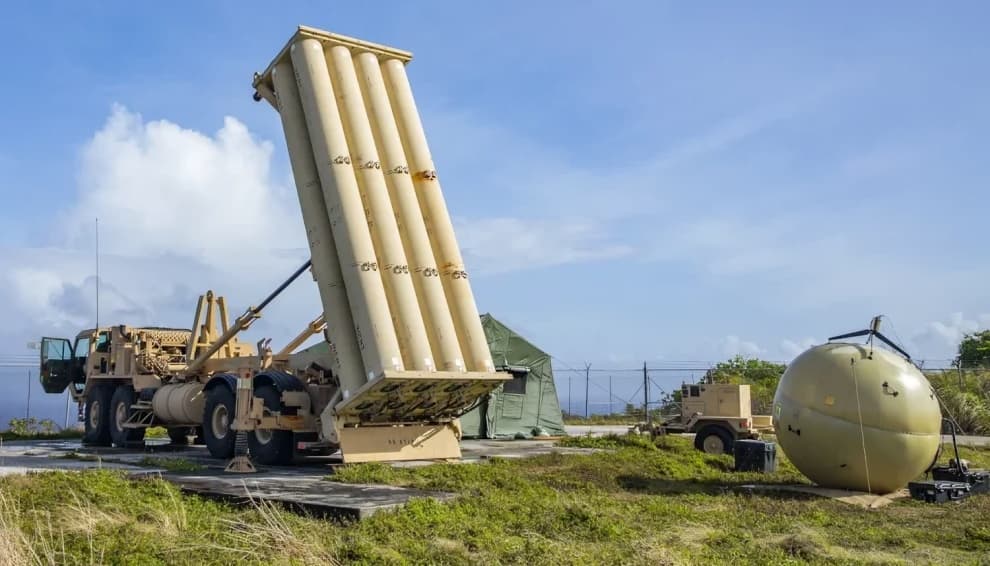
The ongoing military conflict between the United States and Iran has raised questions about the sustainability of US missile inventories, particularly advanced interceptor systems such as THAAD (Terminal High Altitude Area Defense) and Patriot batteries. According to reports by Al Jazeera, Pentagon officials have warned that if airstrikes and other military operations against Iran continue beyond ten days, the country could face significant pressure on its high-end missile stockpiles.
These systems, central to US air and missile defense capabilities, are designed to intercept incoming threats with high precision. THAAD is capable of targeting short- to intermediate-range ballistic missiles in the upper atmosphere, while Patriot batteries defend against aircraft and missiles at lower altitudes. Both require advanced technology, extensive manufacturing, and specialized materials, making rapid replenishment challenging and costly.
Pentagon assessments reportedly indicate that a prolonged campaign could rapidly deplete the nation’s inventory of interceptors and precision-guided munitions. Even with significant reserves, sustained high-intensity strikes place operational and logistical stress on military supply chains, potentially affecting readiness for other global engagements. While President Trump has publicly asserted that US stockpiles are “virtually unlimited,” defense experts caution that no arsenal is truly inexhaustible, particularly given the complex manufacturing and maintenance requirements of these systems.
The potential strain extends beyond operational concerns. Replenishing missile inventories during active conflict is expensive, and the cost of maintaining production lines and workforce capacity adds to the financial burden. Analysts note that any shortage could not only impact ongoing operations in the Middle East but also affect the US’s ability to respond to other regional threats. The economic and strategic implications of depleting high-end munitions during a protracted conflict are significant, requiring careful balancing of military objectives and resource management.
Moreover, the US is facing international scrutiny over the escalation, with global oil prices and financial markets reacting to the uncertainty in the region. A protracted conflict could compound domestic and international economic pressures, alongside the operational risks of missile stockpile depletion.
While the Trump administration maintains that resources are sufficient, the Pentagon’s internal assessments highlight the risks associated with extended military operations. Defense analysts emphasize that the situation underscores the broader costs of war, including both fiscal and logistical dimensions, not just immediate combat considerations.
The coming days will likely determine whether the conflict can be contained or whether the US will need to accelerate munitions production and international diplomacy to prevent shortages of key missile interceptors. The episode also serves as a reminder of the finite nature of even technologically advanced military resources and the high stakes involved in modern warfare.


