Recent remarks by Pete Hegseth regarding the ongoing tensions involving Iran have sparked widespread discussion in international political circles. The comments come at a time when diplomatic efforts are being closely watched, with global stakeholders monitoring developments that could influence regional stability.
In his statement, Hegseth described the situation as having broader strategic implications, suggesting that current developments may influence geopolitical dynamics beyond the immediate region. He also indicated that measures affecting Iranian maritime activity are expected to remain in place, underscoring the United States’ position on the issue.
The remarks have generated varied reactions from political analysts and international observers. Some view the comments as a reflection of a firm policy stance, while others have expressed concern about the potential impact on diplomatic negotiations. Statements made ahead of important talks can play a significant role in shaping expectations and influencing outcomes.
The situation involving Iran has been a focal point of international attention due to its implications for global security and energy markets. Developments in the region can affect trade routes, oil prices and broader economic conditions. As a result, statements from key officials are closely scrutinized for their potential impact.
Diplomatic efforts aimed at addressing the situation are ongoing, with multiple countries advocating for dialogue and peaceful resolution. The success of such efforts often depends on maintaining a balance between strategic interests and the need for cooperation. Public statements can either support or complicate these efforts, depending on how they are perceived by different stakeholders.
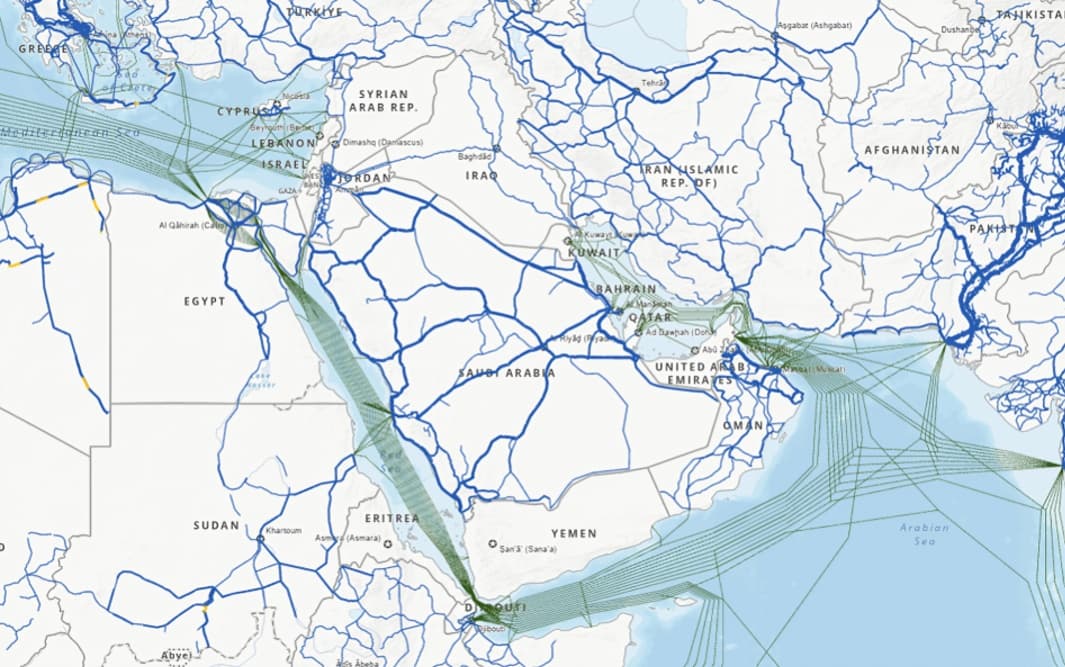
The reference to continued restrictions on maritime activity highlights the importance of sea routes in the broader context of the conflict. Maritime trade plays a crucial role in global commerce, and any disruption can have far reaching consequences. Ensuring the security and accessibility of these routes is a key concern for many nations.
Experts note that international relations are shaped by a combination of policy decisions, diplomatic engagement and public communication. In this context, remarks by officials can contribute to the overall narrative and influence how events are interpreted. The current situation underscores the need for careful and measured communication.
The timing of the statement, ahead of diplomatic discussions, adds another layer of significance. It reflects the complex interplay between domestic policy positions and international negotiations. Observers will be watching closely to see how these dynamics evolve in the coming days.
As the global community continues to monitor developments, the focus remains on achieving stability and avoiding escalation. Dialogue and cooperation are widely regarded as essential for addressing complex geopolitical challenges.
Overall, the remarks have added to the ongoing discourse surrounding the Iran situation, highlighting the importance of strategic communication in international politics. The coming period is expected to be crucial in determining how the situation unfolds and what steps are taken toward resolution.