Iran has proposed a seven day roadmap aimed at creating a possible path toward ending hostilities with the United States, with the reopening of the Strait of Hormuz scheduled for the sixth day of the proposed arrangement.
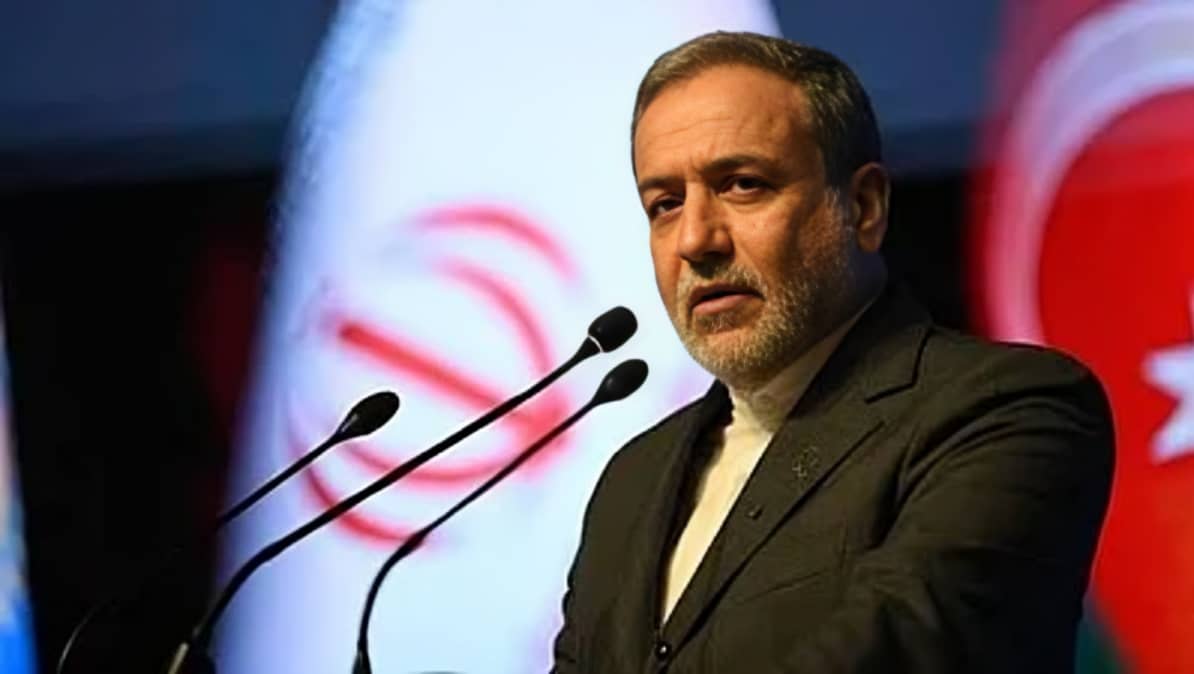
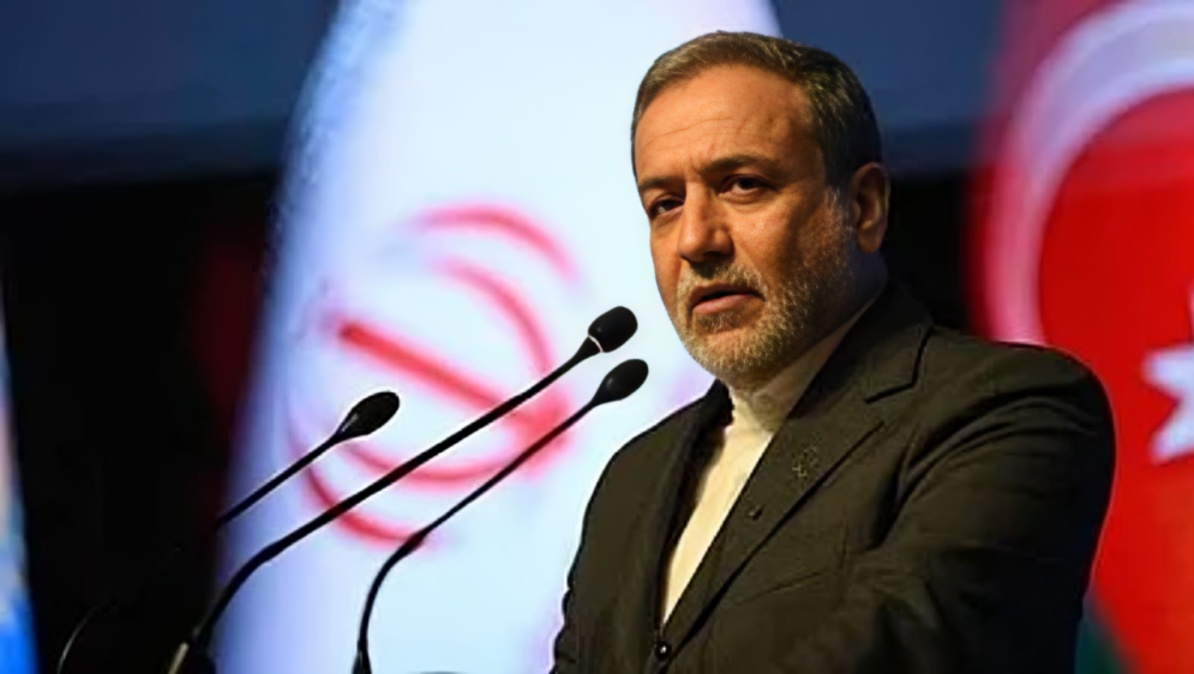
The plan was outlined by Iranian Foreign Minister Abbas Araghchi during discussions surrounding the United Nations General Assembly in New York. According to Araghchi, the proposal would begin once the United States accepts Iran's conditions. The initial measures could take around four to five days to implement, after which Iran would reopen the Strait of Hormuz on the sixth day. Formal discussions on a broader agreement would then begin on the seventh day.
The timing of the proposed reopening is connected to the sequence of measures that Iran says must be completed before normal maritime traffic can resume. Tehran has called for the United States to lift its naval blockade of Iranian ports, waive or ease sanctions affecting Iranian oil sales and observe a ceasefire covering the wider region, including Lebanon. Iran has also sought the release of frozen Iranian assets as part of discussions surrounding a possible settlement.
Under the proposal described by Araghchi, the seven day period would not simply represent a pause in fighting. Instead, it would function as a step by step process. The first several days would be used to implement the conditions agreed upon by the two sides. Once those measures were completed, Iran would reopen the Strait of Hormuz on the sixth day. The seventh day would then mark the beginning of negotiations aimed at reaching a longer term agreement.
The distinction between the sixth and seventh days is therefore important. Iran's proposal does not appear to place the reopening of the waterway at the end of the entire seven day period. Instead, the reopening would take place one day before the proposed negotiations on the final agreement. Araghchi said the initial measures could be completed within four to five days, allowing the waterway to reopen on the sixth day and negotiations to begin on the seventh.
The Strait of Hormuz is one of the world's most important energy shipping routes. Before the current conflict, a significant share of globally traded oil and gas passed through the waterway. Disruption to shipping through the strait has therefore had consequences extending beyond Iran and the United States, affecting energy markets and international trade. Reports have noted that the waterway has become a major source of leverage for Tehran during the conflict.
Iran's proposal also includes the possibility of restarting negotiations over its nuclear programme. According to the plan, those discussions would begin after the Strait of Hormuz is reopened. The seventh day would therefore serve as the starting point for negotiations on issues that go beyond the immediate maritime situation.
Iran has presented the proposal as a possible route back to diplomacy. Araghchi said the choice now rests with the United States, while Iranian officials have indicated that Tehran is prepared to discuss an arrangement through intermediaries. Reuters previously reported that an Iranian proposal had been conveyed to Washington through mediators and that Tehran was seeking concrete steps from the United States before reopening the waterway.
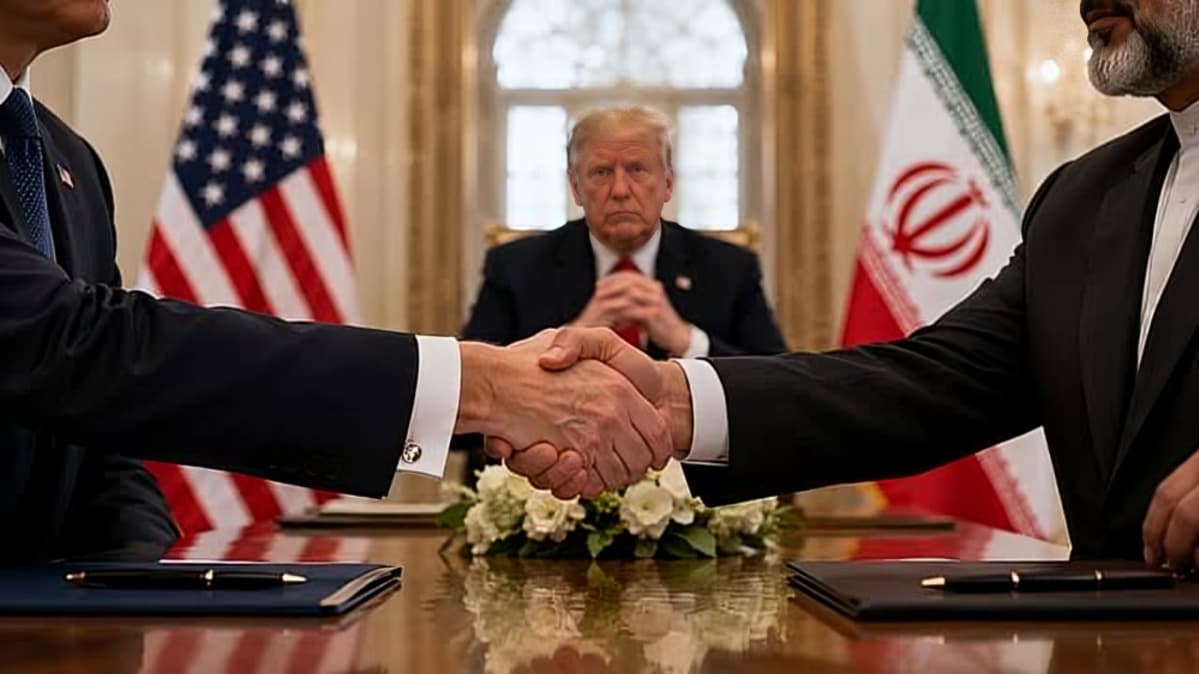
The proposal has not, however, resulted in an immediate agreement. Reports published after the plan was presented said US President Donald Trump rejected the seven day proposal, while US officials indicated that indirect discussions could continue. The White House has also said that American officials were having constructive conversations with mediators regarding the conflict.
The disagreement over the sequence of events reflects the wider diplomatic differences between Washington and Tehran. Iran wants several measures, including changes related to the naval blockade and oil sanctions, to be addressed before reopening the waterway. The United States has been seeking a broader agreement covering its concerns about Iran's nuclear programme and the wider regional conflict.
For Iran, reopening the Strait of Hormuz on the sixth day would therefore come after the initial commitments expected from Washington have been carried out. The proposed sequence would allow Tehran to retain the reopening of the waterway as a specific step within the seven day framework rather than making it an immediate action at the beginning of negotiations.
The seventh day would then shift the focus from maritime access to longer term negotiations. According to the Iranian proposal, discussions would cover mutually agreed subjects, including the nuclear issue. This structure indicates that Tehran has linked the reopening of the waterway to broader diplomatic and economic measures rather than treating the shipping route as a separate issue.
The proposal comes amid continuing uncertainty over the future of the conflict and international shipping through the Gulf region. Any agreement affecting the Strait of Hormuz could have wider implications because of the importance of the route to global energy supplies. However, the implementation of Iran's proposed seven day roadmap would depend on agreement between the United States and Iran on the conditions and sequence of actions.
As of the latest reports, there was no confirmed agreement implementing the proposed timetable. Iran has continued to indicate that it is open to diplomacy, while Washington has signalled that further discussions may take place. The sixth day reopening proposal and seventh day negotiations therefore remain part of Iran's proposed diplomatic framework rather than an implemented peace agreement.