
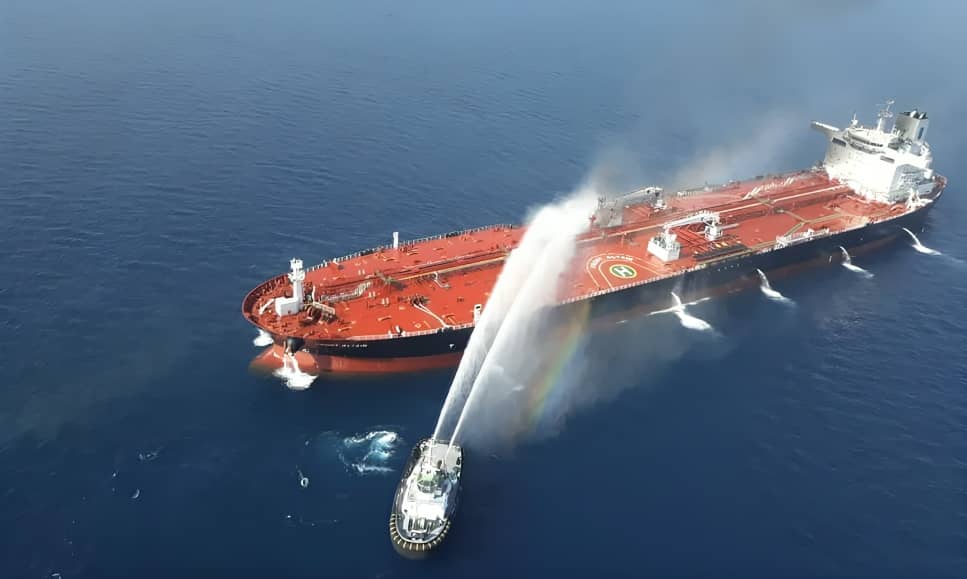

he global shipping and energy sectors are witnessing a sharp rise in the cost of the world’s largest oil tankers, commonly known as Very Large Crude Carriers. These vessels, capable of transporting massive volumes of crude oil across continents, are essential for international trade. Recent data and industry assessments indicate that the price of purchasing, operating, and maintaining these tankers has escalated due to a combination of market driven and regulatory factors.
One of the primary reasons behind the price surge is the growing demand for large tankers. With major oil producing regions, including the Middle East and the United States, expanding their export volumes, shipping companies are seeking additional vessels to transport crude to refineries worldwide. The increase in global oil demand, driven by industrial activity and post pandemic economic recovery, has intensified the need for long haul shipments. As a result, charter rates have risen sharply, encouraging companies to invest in new vessels despite higher costs.
Another major factor is the limited shipbuilding capacity in leading manufacturing countries such as South Korea, China, and Japan. These shipyards are currently focusing on constructing advanced vessels that comply with environmental standards and operate on alternative fuels. With priority given to liquefied natural gas carriers, container ships, and hybrid fuel vessels, fewer production slots are available for oil tankers. This supply constraint has directly contributed to higher construction prices and longer delivery timelines for new crude carriers.
Environmental regulations are also influencing the rise in tanker costs. International mandates aimed at reducing emissions and improving energy efficiency have forced shipbuilders to adopt new technologies and materials. Modern tankers now require advanced engines, emissions control systems, and fuel efficient designs to comply with global norms. These upgrades substantially increase the overall manufacturing cost. Additionally, shipping companies face higher operating expenses as they transition to cleaner fuels and invest in maintenance to meet inspection standards.
Financial factors, including rising steel prices and increased labour costs in shipbuilding nations, have played a crucial role as well. Steel is the primary raw material for tanker construction, and fluctuations in global prices directly affect the final cost of ships. Labour shortages in certain regions have also contributed to delays and additional expenses for shipyards.
The impact of rising tanker prices is felt across global oil markets. Higher vessel costs lead to increased freight rates, which can raise the overall cost of transporting crude oil. Import dependent countries may face higher energy expenses, while shipping companies may need more time to recover investments made in purchasing new vessels. Analysts suggest that tanker prices may continue to climb if demand remains high and shipbuilding capacity does not expand.
Despite the challenges, the industry continues to adapt. Some companies are focusing on long term contracts to ensure stable returns, while others are modernising existing fleets instead of buying new vessels. The rising cost of the world’s biggest oil tankers highlights a broader shift in the shipping industry as it balances operational demand with environmental obligations and global economic pressures.


