Christine Lagarde to Leave ECB Presidency in February 2027
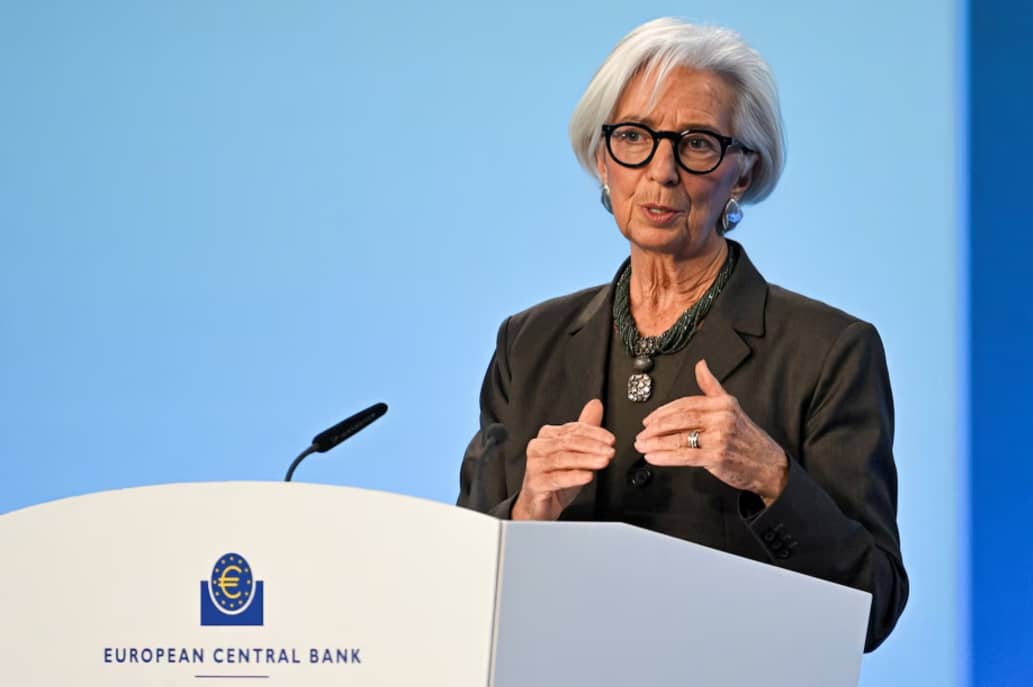
European Central Bank President Christine Lagarde will step down from her position on February 7, 2027, approximately nine months before the scheduled end of her eight-year term. The ECB announced the decision on October 29, 2026, bringing an end to months of speculation about the future of its president.
Lagarde informed the ECB’s Governing Council and European Council President António Costa of her decision. According to the central bank’s announcement, her successor will be appointed by the European Council through the established European Union nomination process.
Lagarde’s term was originally scheduled to run until October 31, 2027. Her early departure means European leaders must begin preparations for a leadership transition at a time when the eurozone continues to face economic uncertainty, inflation concerns and changing financial conditions.
The ECB did not provide a specific reason for her decision to leave before the end of her term. Lagarde described her time at the institution as a source of pride and thanked those who supported her during her leadership.
Lagarde’s Leadership Since 2019
Christine Lagarde took office as president of the European Central Bank in November 2019, succeeding Mario Draghi. Before joining the ECB, she served as managing director of the International Monetary Fund and as France’s finance minister.
Her presidency began shortly before the COVID-19 pandemic disrupted economies across Europe and the rest of the world. The crisis created significant challenges for governments, businesses, households and financial institutions.
The ECB introduced emergency measures to support the eurozone economy during the pandemic, including large-scale asset purchases intended to maintain favourable financing conditions. These measures formed part of the wider European response to the economic consequences of lockdowns and disruptions to business activity.
The bank later faced another major challenge following Russia’s invasion of Ukraine in 2022. The conflict contributed to a sharp rise in energy prices and placed additional pressure on households and businesses across Europe.
Inflation increased significantly during this period, prompting the ECB to move away from its earlier low-interest-rate policy and raise borrowing costs. The central bank’s decisions were intended to bring inflation back towards its medium-term target while limiting the risk of prolonged price increases.
As inflation pressures subsequently eased, monetary policy entered a different phase, with policymakers assessing when interest rates could be reduced without allowing price growth to accelerate again.
Lagarde’s tenure has therefore involved managing several major economic disruptions while balancing the ECB’s responsibility for maintaining price stability.
Why the ECB President Matters
The European Central Bank is responsible for monetary policy in the eurozone, the group of European Union countries that use the euro as their currency. Its decisions influence interest rates, borrowing costs, financial conditions and inflation expectations across the region.
The ECB’s Governing Council sets the central bank’s main monetary policy direction. It includes the members of the Executive Board and the governors of the national central banks of eurozone countries.
The president plays a prominent role in communicating the bank’s decisions, explaining its economic outlook and representing the institution in discussions with European and international policymakers.
Changes in the ECB presidency can attract considerable attention from financial markets because investors assess whether a new leader might influence the way monetary policy is communicated or implemented. However, the ECB operates within a legal framework designed to protect its independence, and interest-rate decisions are made collectively by the Governing Council.
Lagarde’s departure does not automatically mean that the central bank will immediately change its policy direction. The Governing Council will continue to assess economic data, inflation trends, wage growth and financial conditions when making decisions.
European Union to Select a Successor
The process of appointing Lagarde’s successor is expected to begin immediately. European Council President António Costa said the process would proceed without delay to support a smooth transition.
Under the European Union’s rules, the president of the ECB is appointed by the European Council, acting by qualified majority, following the prescribed consultation and recommendation process. The appointment involves consideration by European institutions, including the European Parliament and the ECB’s Governing Council.
The selection of a new president is an important decision for eurozone governments because the ECB has a central role in determining the region’s monetary policy direction. European leaders will need to consider the candidates’ experience, economic outlook and ability to lead the institution through future challenges.
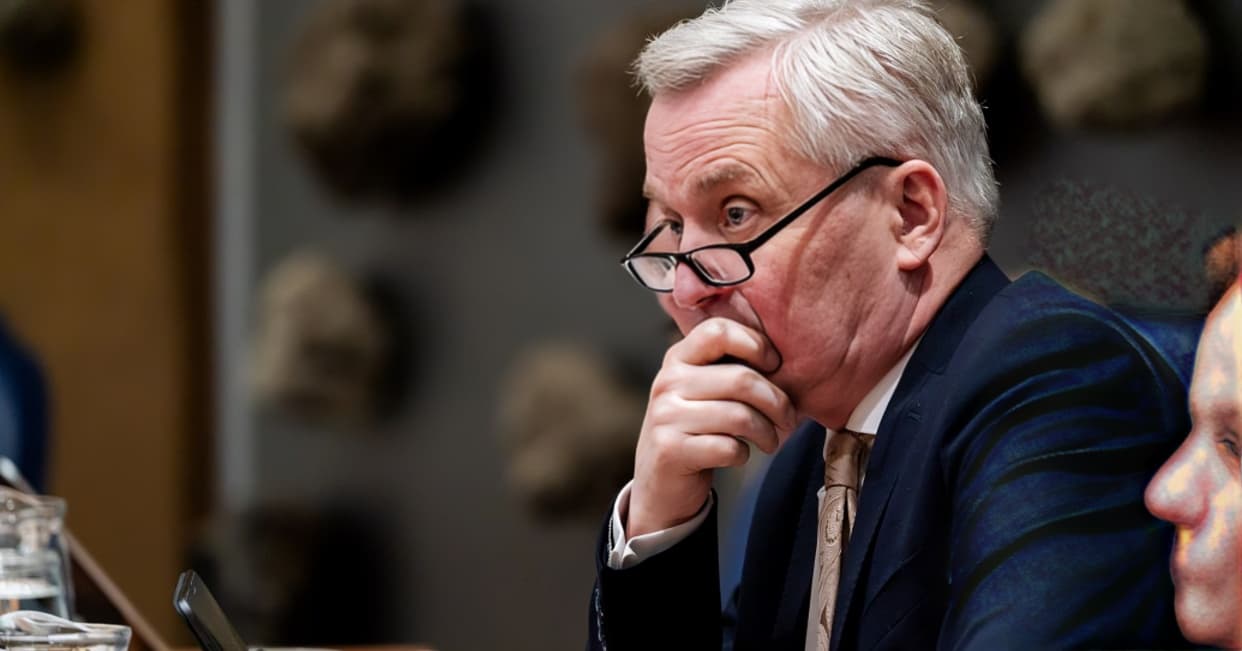
Several potential successors have been discussed in media reports, including former Dutch central bank president Klaas Knot and Spanish banking and financial official Pablo Hernández de Cos. Other names may also emerge as the selection process develops. No successor has been officially confirmed in the ECB’s announcement.
The leadership transition will also take place amid wider political and economic considerations across Europe. The timing of the appointment has attracted attention because France is scheduled to hold a presidential election in 2027. However, the ECB has not stated that this political timetable was the reason for Lagarde’s decision.
Economic Challenges Facing the Next President
The incoming ECB president will inherit responsibility for guiding monetary policy in an economy affected by several competing pressures. Inflation remains a central concern for policymakers, while economic growth, energy costs, borrowing conditions and geopolitical developments can influence the bank’s decisions.
Higher interest rates can help reduce inflation by making borrowing more expensive and moderating demand. However, they can also increase the cost of mortgages, business loans and government borrowing. Lower rates can support economic activity, but policymakers must ensure that easing financial conditions does not allow inflation to rise again.
The ECB must also monitor developments in international trade, financial markets and energy supplies. Unexpected economic shocks can change the outlook quickly and complicate decisions about the appropriate level of interest rates.
The next president will therefore need to work with the Governing Council to assess changing economic conditions and communicate decisions clearly to markets, businesses and households.
What Happens After February 7?
Lagarde is scheduled to leave office on February 7, 2027, unless the timeline changes through a subsequent official announcement. The European Council is responsible for appointing her successor, and the selection process will determine who leads the ECB after her departure.
Until the transition takes place, Lagarde remains the bank’s president and continues to perform her official duties. The ECB’s monetary policy responsibilities will also continue throughout the process.
Her early departure marks a significant leadership change for one of the world’s most influential central banks. The next president will take charge of an institution that has navigated a pandemic, an energy crisis and major inflation pressures during Lagarde’s tenure.
For financial markets and eurozone businesses, the immediate focus will be on the succession process and the ECB’s policy decisions. The longer-term impact will depend on the incoming president’s leadership, the decisions of the Governing Council and the economic conditions facing Europe.