European Governments Urge Households to Prepare Emergency Supplies
Governments across Europe are encouraging citizens to prepare for emergencies by keeping essential supplies of food, drinking water, medicines and other necessities at home. The recommendations come amid growing concerns about extreme weather, cyberattacks, geopolitical tensions and possible disruptions to electricity, water supplies, transport and communications.
The United Kingdom has recently strengthened its public preparedness campaign, advising households to maintain enough essential supplies to manage for three days during a serious disruption. The European Union introduced similar guidance in 2025 through its Preparedness Union Strategy, which encourages citizens to remain self-sufficient for at least 72 hours during an emergency.
The guidance reflects a broader shift towards emergency preparedness, with governments seeking to ensure that people can manage the initial stages of a crisis while emergency services work to restore essential services.
Why Is the UK Advising People to Store Emergency Supplies?
The UK government launched its Be Ready campaign in October 2026 to improve public awareness of emergency planning. Officials have highlighted several risks, including severe weather, wildfires, cyber incidents, hostile-state activity and disruption to important infrastructure.
The campaign follows a recent software security incident that disrupted some services and triggered a large number of hacking attempts. Officials have also pointed to extreme heat, drought and wildfires as examples of events that can affect communities and essential services.
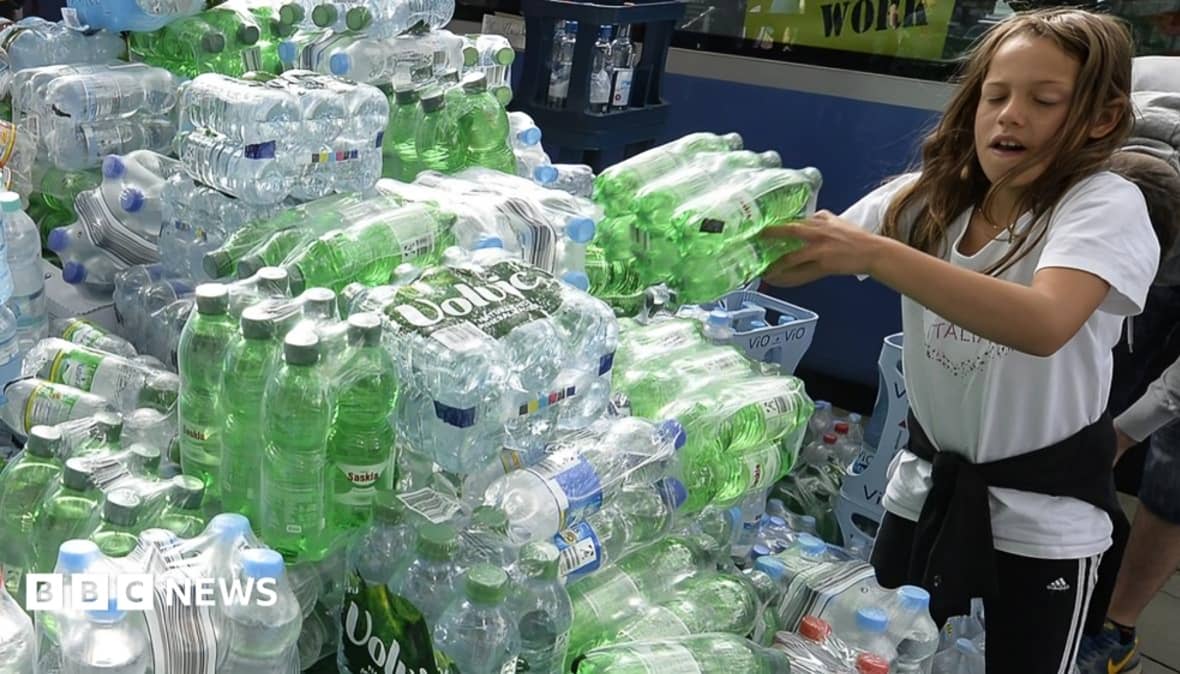
The government recommends keeping enough drinking water and non-perishable food for three days. Other suggested supplies include a first-aid kit, a torch, spare batteries, a radio, blankets, cash and necessary medicines.
The aim is to help households manage if they temporarily lose access to normal services or cannot obtain supplies immediately. Officials have stressed the importance of planning before an emergency occurs rather than waiting until a disruption has already begun.
European Union Recommends 72-Hour Preparedness
The European Commission introduced its Preparedness Union Strategy in March 2025. The strategy addresses a wide range of potential emergencies, including natural disasters, cyberattacks, health crises, geopolitical tensions and disruptions to critical infrastructure.
One of its key recommendations is that citizens should be prepared to manage independently for at least 72 hours during an emergency. This period can give authorities time to respond, reach affected communities and restore essential services.
The European approach also focuses on improving early-warning systems, strengthening emergency response coordination and protecting essential services such as healthcare, transport, telecommunications, food distribution and drinking water supplies.
The strategy encourages governments, businesses, public institutions and citizens to share responsibility for preparedness. It also recognises that a disruption in one sector can affect several others. For example, a major power outage could affect communications, payment systems, transport and access to certain services.
The EU's approach is therefore designed to improve resilience across society rather than relying entirely on emergency services after a crisis has started.
What Should Households Keep at Home?
Emergency supplies should be selected according to household needs, local risks and the possibility of temporary service interruptions. Authorities recommend focusing on basic necessities that can be used without relying heavily on electricity or regular shopping facilities.
Drinking water is one of the most important items. Households should follow local emergency guidance on the quantity required for each person, including additional water for cooking and basic hygiene where possible.
Non-perishable food, such as canned goods and other long-lasting items, can help families manage if shops are temporarily inaccessible. People should consider foods that household members can safely eat and that do not require extensive preparation.
Essential prescription medicines and basic first-aid supplies are also important. Anyone who depends on regular medication should plan for possible interruptions and consult a healthcare professional or pharmacist about safe storage and suitable emergency arrangements.
A torch, spare batteries, a power bank and a battery-powered or wind-up radio can be useful during electricity or mobile-network disruptions. Cash may help if electronic payment systems are unavailable. Copies of important documents, emergency contact details, blankets and necessary supplies for children, older people and pets can also be included.
Households should periodically check expiry dates, replace used supplies and ensure that stored items remain safe to use.
How Can Cyberattacks Affect Everyday Life?
Cyberattacks are among the risks increasingly considered in government preparedness planning. Many everyday activities depend on digital systems, including banking, communications, public services, transport and business operations.
A serious cyber incident could temporarily affect access to online services, payment systems or information needed by the public. Even when drinking water and food remain available, problems with digital infrastructure may make it harder to obtain supplies or contact service providers.
Governments are therefore encouraging citizens to consider how they would manage during a temporary loss of internet access, mobile communications or electronic payments. Keeping essential contact information offline and maintaining alternative ways to receive official information can help households remain informed.
These preparations do not mean that a major cyberattack is expected to happen imminently. Instead, they are part of broader planning for incidents that could interrupt normal services.
Natural Disasters and Climate Risks Also Drive Preparedness
Extreme weather remains another important reason for emergency planning. Floods, wildfires, storms, heatwaves and other natural hazards can affect transport routes, electricity networks and access to essential goods.
In affected areas, residents may need to remain indoors, evacuate temporarily or manage without some services until conditions improve. Emergency supplies can help people meet basic needs during the initial period of disruption.
Preparedness plans should reflect local conditions. Residents in flood-prone areas, for example, should pay attention to evacuation instructions and official weather warnings. People living in areas affected by wildfires should understand local evacuation routes and emergency alerts.
Keeping supplies at home is only one part of preparation. Families should also discuss how to contact one another, where to go if evacuation becomes necessary and how to receive reliable information during an emergency.
Is an Emergency Imminent?
Government advice to store essential supplies should not automatically be interpreted as a warning that a war, major cyberattack or natural disaster is about to occur. The guidance is intended to help households manage a range of possible disruptions.
Authorities are increasingly adopting an approach that considers several types of risk rather than focusing on a single threat. The same emergency kit may be useful during a severe storm, a prolonged power cut, a public health emergency or a temporary interruption to supply chains.
The UK's three-day recommendation and the European Union's 72-hour guidance are practical measures designed to strengthen household resilience.
What Should People Do Next?
Households should begin by checking what essential supplies they already have and identifying any gaps. Drinking water, long-lasting food, necessary medicines, lighting, batteries and emergency contact details are sensible starting points.
Supplies should be stored safely, kept within their usable dates and adjusted to the number of people in the household. Families should also follow official advice from local emergency services and relevant authorities, particularly when a specific warning is issued.
Governments across Europe are placing greater emphasis on preparation because emergencies can affect several essential services at the same time. By planning ahead and maintaining a modest supply of necessities, households can improve their ability to cope with temporary disruption while emergency responders work to restore normal conditions.