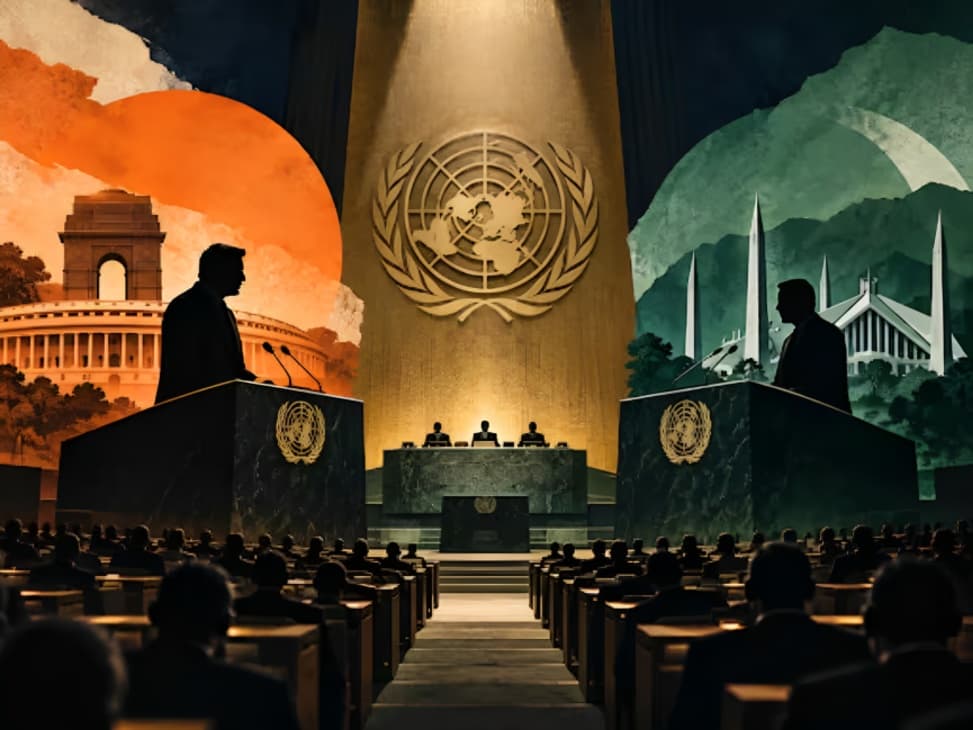
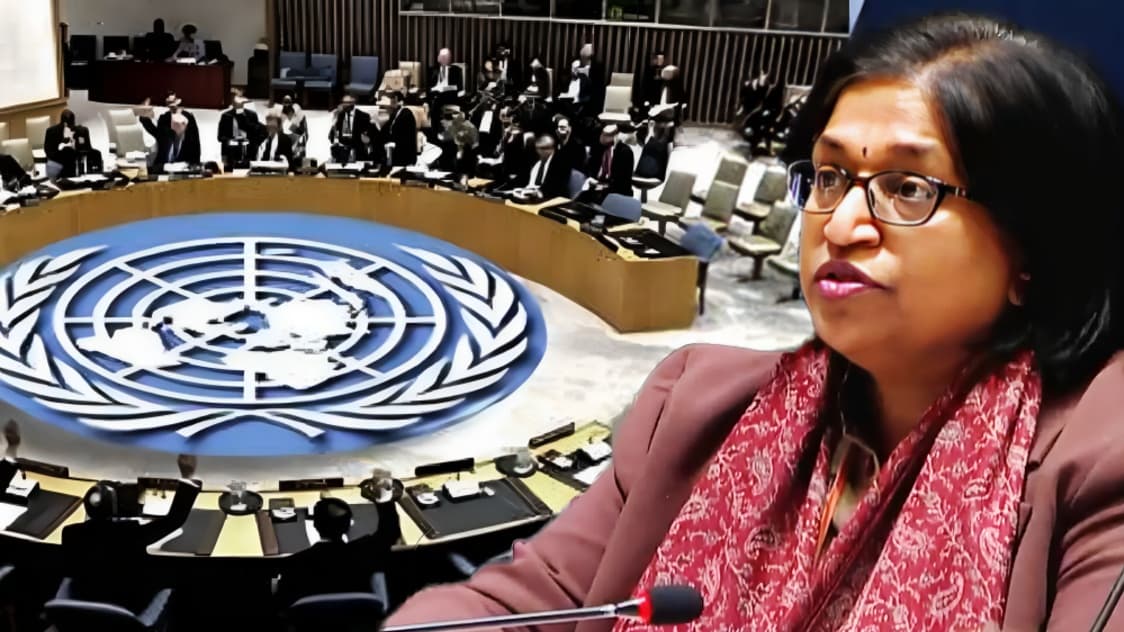
India delivered a strong response to Pakistan at the United Nations General Assembly, questioning the sincerity of Prime Minister Shehbaz Sharif’s call for peace in his recent address. Indian representatives emphasized that rhetoric alone is insufficient and that Pakistan must take concrete steps to demonstrate its commitment to regional stability and security.
Sharif’s speech at the UNGA highlighted Pakistan’s intent to foster peace and cooperation in South Asia, including initiatives aimed at reducing tensions with neighboring countries. However, India countered these statements by pointing to ongoing cross-border incursions, support for terror activities, and insufficient measures to address longstanding security concerns. Indian diplomats reiterated that statements at international forums must be matched with actionable policies and measures that ensure a tangible improvement in regional relations.
The Indian delegation underscored the importance of respecting sovereignty, preventing terrorism, and maintaining peace along the borders. Officials stated that while dialogue and cooperation are welcome, they must be accompanied by concrete steps, including dismantling terror infrastructure, curbing funding for extremist groups, and halting cross-border attacks. These points were highlighted to stress that peace is a result of actions, not rhetoric.
India’s response also referenced historical instances of Pakistan’s support for militant organizations and the destabilizing impact on regional security. The Indian representatives called upon the international community to recognize that ensuring peace in South Asia requires accountability and adherence to international norms. They stressed that India remains committed to constructive dialogue, but such engagement is contingent upon Pakistan’s tangible commitment to reducing hostilities and curbing terrorism.
Political analysts note that India’s response at the UNGA signals a continuation of its diplomatic strategy to hold Pakistan accountable on global platforms. By addressing these concerns publicly, India aims to highlight inconsistencies between Pakistan’s statements and actions while reinforcing its own role as a responsible regional actor focused on peace and stability.
The Indian delegation emphasized that peace initiatives should prioritize trust-building measures, cross-border confidence, and cooperative approaches to conflict resolution. Officials reiterated that India’s commitment to dialogue remains firm, but only when accompanied by credible, verifiable actions that reduce threats to Indian citizens and territorial integrity.
In conclusion, India’s response to Pakistan at the United Nations General Assembly highlighted the gap between rhetoric and action. By questioning the sincerity of Sharif’s peace pitch and emphasizing the need for concrete measures, India reaffirmed its stance on sovereignty, security, and regional stability. The remarks serve as a reminder that diplomatic statements must be backed by actionable policies to achieve lasting peace in South Asia.