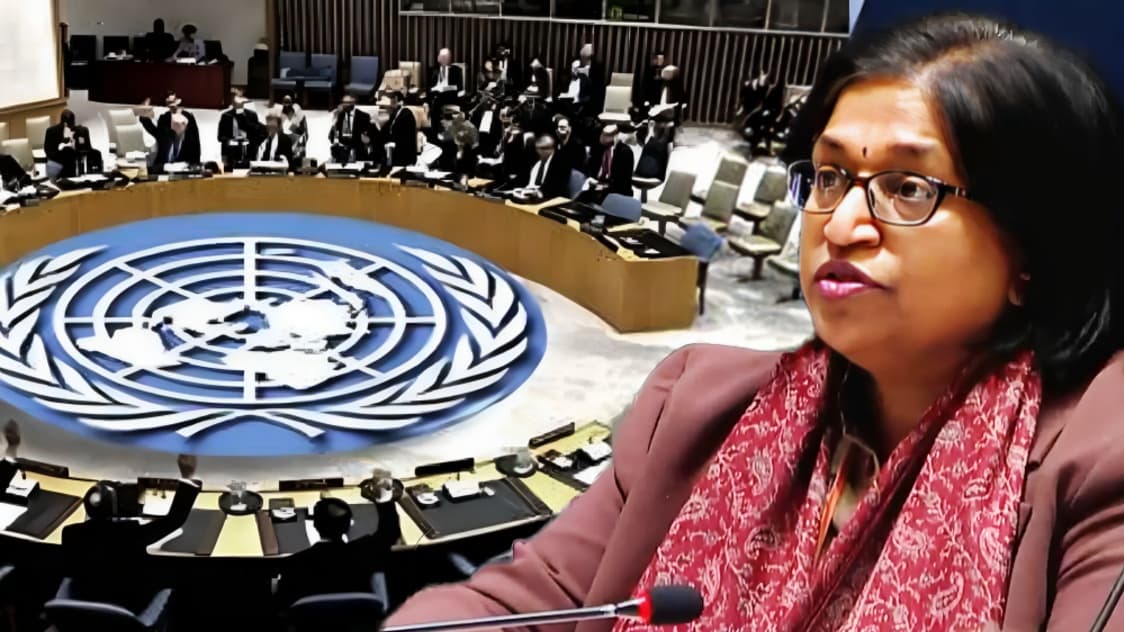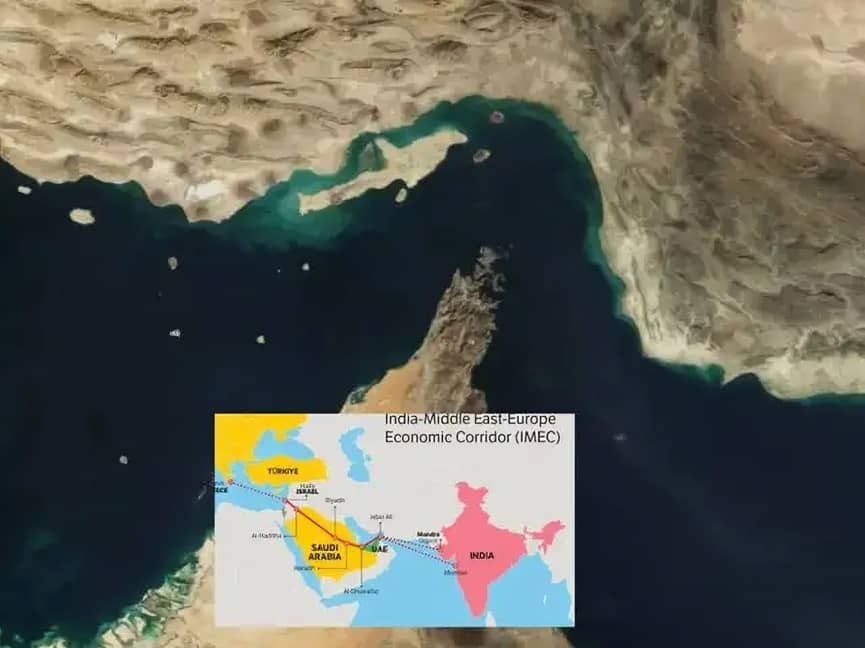
India has raised serious concerns about the ongoing crisis in the Strait of Hormuz during UK led international discussions, emphasizing the direct impact on its energy security and maritime interests. The Strait of Hormuz is one of the world’s most important shipping routes, through which a significant portion of global oil supplies is transported. Any disruption in this region has wide ranging consequences for countries dependent on energy imports, including India.
During the discussions, Indian representatives highlighted that India has been directly affected by recent incidents in the Gulf region, noting that it is the only country to have lost mariners in attacks linked to the ongoing tensions. This observation underscores the human cost of the crisis, in addition to its economic and strategic implications.
The talks, led by the United Kingdom, brought together several countries to address growing concerns over maritime security in the region. Participants discussed ways to ensure the safe passage of commercial vessels and prevent further escalation of tensions. The focus was on strengthening coordination among nations and exploring measures to protect shipping lanes from potential threats.
India’s participation in these discussions reflects its strategic interest in maintaining stability in the Gulf region. A large portion of India’s crude oil imports passes through the Strait of Hormuz, making it a critical lifeline for the country’s energy needs. Any disruption in this route can lead to increased fuel costs and supply challenges, affecting the broader economy.
In addition to energy concerns, India also has a significant number of citizens working in Gulf countries. The safety of these individuals, along with that of Indian seafarers, remains a key priority for the government. The loss of Indian mariners in recent incidents has further highlighted the risks associated with the current situation.
Experts note that the Strait of Hormuz has long been a sensitive geopolitical hotspot, with tensions in the region often affecting global trade and energy markets. The current situation has once again drawn international attention, prompting coordinated efforts to ensure stability and security.
The UK led discussions aimed to build consensus on maintaining freedom of navigation and preventing disruptions to global trade. Countries participating in the talks emphasized the importance of diplomacy and cooperation in addressing the crisis.
India’s stance during the discussions reflects a balanced approach, focusing on both immediate security concerns and long term stability in the region. By highlighting the impact on its mariners and energy security, India has drawn attention to the need for collective action to address the challenges posed by the crisis.
As the situation continues to evolve, international cooperation will remain crucial in ensuring that the Strait of Hormuz remains open and secure for global shipping. India is expected to continue engaging with global partners to safeguard its interests and contribute to efforts aimed at maintaining peace and stability in the region.