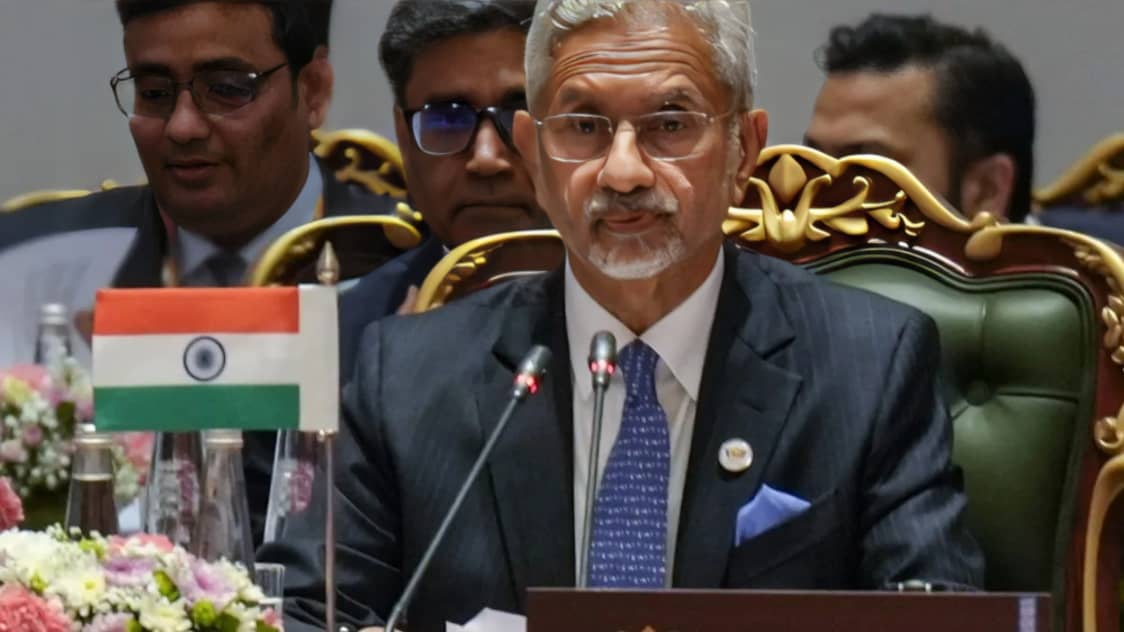
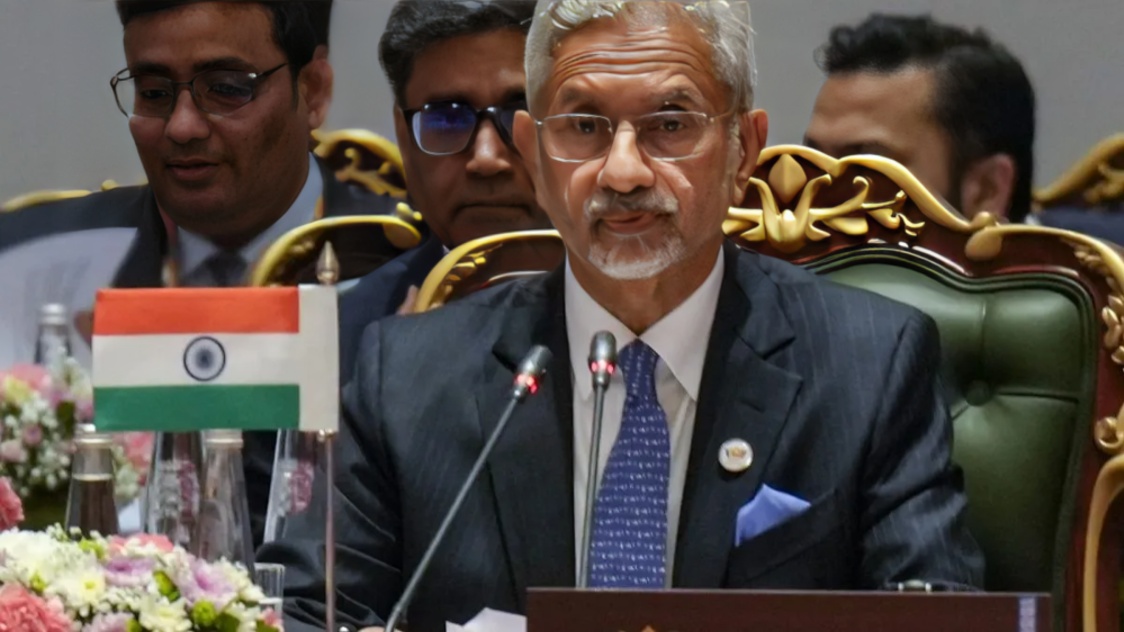
India has urged the international community to work collectively to protect critical maritime routes and infrastructure, warning that disruptions to major shipping lanes can have serious consequences for global food security, energy supplies and humanitarian operations.
India’s Permanent Representative to the United Nations, Ambassador Harish Parvathaneni, made the remarks during a high level open debate of the United Nations Security Council. The discussion focused on the theme Food Under Fire and examined the role of the Security Council in addressing global and local food crises.
India emphasised that secure and predictable maritime trade routes are essential for maintaining the uninterrupted movement of food, fertilisers, fuel and other vital commodities. According to India, conflicts in one region can create economic and humanitarian consequences far beyond the immediate area of fighting.
Parvathaneni stressed the importance of preserving the safety and freedom of navigation for commercial shipping in accordance with international law. He said the international community should work together to ensure that critical sea lanes remain open and that legitimate commercial and humanitarian shipments can continue without unnecessary restrictions.
The Indian statement comes amid growing concerns over disruptions to international shipping caused by armed conflicts and attacks in strategically important maritime regions. Major sea routes play an important role in connecting food producing regions with importing countries and transporting energy resources and agricultural inputs across the world.
During the Security Council debate, United Nations Secretary General Antonio Guterres also highlighted the importance of maritime routes to global food and energy security. He said the Strait of Hormuz carries around one fifth of global oil supplies and approximately one third of global fertiliser trade.
Guterres warned that restrictions and closures affecting major routes can push commodity prices higher while reducing availability. He also referred to attacks on commercial vessels in the Red Sea and their impact on supply chains for food and other commodities.
The disruption of maritime trade can affect countries far beyond the immediate conflict zone. When ships face security risks, shipping companies may alter routes, delay voyages or increase transportation costs. These changes can ultimately affect the prices and availability of essential commodities in countries that depend heavily on imports.
India particularly highlighted the vulnerability of developing countries that rely on imported food and agricultural products. Disruptions in transportation can place additional pressure on countries that already face economic difficulties and can increase the cost of food and other essential goods.
Humanitarian operations can also be affected when shipping routes become unsafe or unpredictable. Aid organisations depend on reliable transportation networks to deliver food, medicines and other essential supplies to populations affected by conflicts and disasters.
India therefore called for international efforts to protect both maritime infrastructure and commercial shipping. The country stressed that legitimate trade and humanitarian shipments should be allowed to proceed without undue obstruction.
The Indian delegation also outlined what it considered immediate priorities for the United Nations Security Council. These include reducing the humanitarian consequences of conflicts, facilitating safe and rapid humanitarian access and supporting deconfliction arrangements wherever appropriate.
Deconfliction measures are designed to reduce the risk of humanitarian operations being affected by military activity. Such arrangements can help aid agencies operate more safely in areas experiencing armed conflict.
India also raised concerns about the possible unintended humanitarian consequences of sanctions regimes. It said Security Council measures, including sanctions, should not inadvertently obstruct humanitarian assistance or legitimate food and agricultural trade.
The issue is particularly important because modern supply chains are highly interconnected. Food production in one country can depend on fertilisers and fuel imported from another country, while the finished agricultural products may be transported to consumers through several international shipping routes.
Any major disruption along this chain can therefore have consequences for food prices, agricultural production and consumer availability.
Fertilisers are particularly important to global agriculture because they directly affect crop production. Restrictions on fertiliser transportation can increase costs for farmers and potentially affect food production in subsequent agricultural seasons.
Fuel supplies are similarly dependent on secure maritime transportation. Oil and other energy products are transported through several major sea routes, making the security of those routes an important component of global economic stability.
India’s statement at the Security Council therefore connected maritime security with food security and humanitarian concerns. Rather than viewing shipping disruptions only as a transportation issue, India stressed their broader implications for populations and economies.
The Strait of Hormuz is one of the most important maritime routes in this context. It connects the Persian Gulf with the Gulf of Oman and the Arabian Sea and serves as a major route for global energy shipments. Any significant disruption there can have consequences for oil markets, energy costs and international trade.
The Red Sea is another important commercial route because it connects maritime traffic between the Indian Ocean and the Mediterranean through the Suez Canal. Attacks on commercial vessels in the region have increased concerns about the safety of international shipping and have prompted some vessels to consider alternative routes.
Longer alternative routes can increase travel times and operating costs. These additional costs can eventually be reflected in the prices of commodities transported through the affected supply chains.
India’s intervention at the United Nations comes against this wider background of geopolitical tensions and supply chain uncertainty. The country argued that collective international action is necessary to protect critical maritime infrastructure and maintain freedom of navigation.
The emphasis on international law is also significant. India called for commercial shipping to be protected while ensuring that maritime activities remain consistent with established international legal principles.
The Indian position also stressed the importance of humanitarian considerations during conflicts. According to the country’s representative, humanitarian assistance should be able to reach affected populations safely, rapidly and without unnecessary impediments.
This includes ensuring that food and agricultural supplies can continue moving even when broader trade restrictions or sanctions are in place.
The Security Council’s role is particularly important because conflicts can create humanitarian crises that extend across national borders. Food shortages, rising prices and disrupted supply chains can affect neighbouring countries and distant importing nations.
India therefore urged the Council to focus on reducing the humanitarian impact of conflicts while supporting mechanisms that allow essential supplies to move safely.
The discussion also highlights the connection between maritime security and global economic stability. International trade depends heavily on shipping, with large quantities of food, fuel, fertilisers and industrial goods transported by sea.
When important maritime routes are disrupted, the effects can extend across multiple markets. Shipping delays can affect inventories, transportation costs and commodity prices, while prolonged disruptions can create additional uncertainty for governments and businesses.
For developing countries, these challenges can be particularly serious. Higher import costs can place pressure on government budgets and household spending, while disruptions to agricultural inputs can affect domestic food production.
India’s call therefore seeks a broader international approach that combines maritime security with humanitarian protection and the uninterrupted movement of essential goods.
The country also stressed that measures intended to address security threats should be designed carefully so that they do not unintentionally prevent legitimate food and agricultural trade.
The debate at the United Nations Security Council provided an international platform for these concerns. Countries participating in the discussion considered how conflicts are contributing to food insecurity and how international mechanisms can reduce the resulting humanitarian consequences.
India’s position was that protecting maritime routes should be an important part of that response.
The Indian government has consistently emphasised the importance of freedom of navigation and secure maritime trade routes. The latest statement places those concerns within the broader context of global food security and humanitarian assistance.
As conflicts continue to affect strategically important regions, the safety of commercial vessels and maritime infrastructure is expected to remain an important international issue.
The availability and affordability of food depend not only on agricultural production but also on the ability to transport agricultural products and inputs across borders. Secure sea lanes are therefore essential for maintaining stable international supply chains.
India’s latest intervention highlights this connection and calls for stronger international cooperation to ensure that commercial shipping and humanitarian deliveries are not unnecessarily disrupted.
The country has urged the Security Council and the wider international community to prioritise safe maritime routes, humanitarian access and protection for legitimate food and agricultural trade.
Overall, India’s message at the United Nations was that maritime security and food security are closely connected. Protecting critical sea lanes can help maintain the movement of essential commodities, reduce supply chain disruptions and limit the humanitarian impact of conflicts.
India has therefore called for collective international action to safeguard maritime infrastructure, uphold freedom of navigation under international law and ensure that food, fertilisers, fuel and humanitarian supplies can continue reaching countries and communities that depend on them.