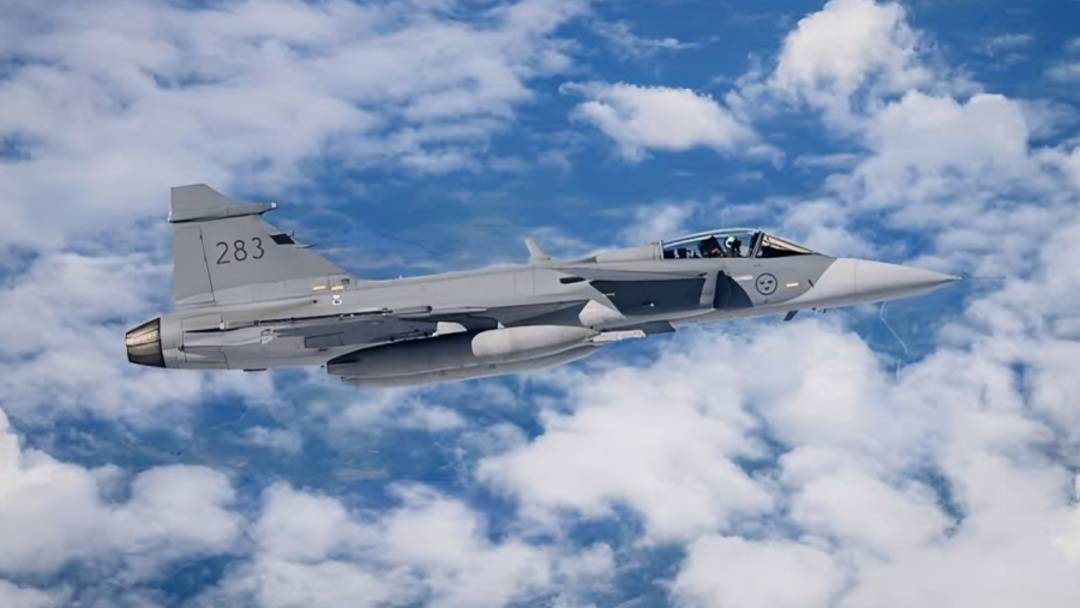
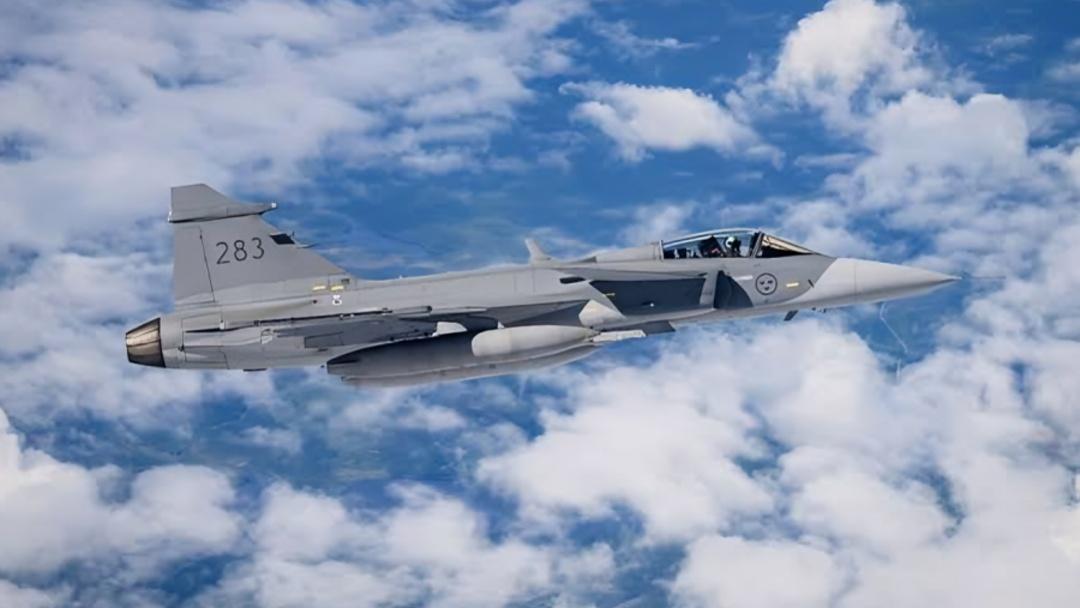
A Swedish Air Force JAS 39 Gripen fighter jet operating under NATO command reportedly received conditional authorisation to engage a suspected Russian cruise missile that entered Polish airspace on November 20.
However, the interception did not take place after severe weather conditions prevented the pilot from positively identifying the airborne object.
The incident was disclosed by Lieutenant General Ireneusz Nowak, commander of Poland's Armed Forces Operational Command, according to the available report.
Polish military authorities reportedly believed that the unidentified object was a Russian Kh 101 cruise missile.
The development has brought renewed attention to European airspace security, NATO defence coordination and the challenges associated with responding to potential aerial threats.
Severe Weather Prevented Missile Interception
According to the report, the Swedish fighter pilot had received conditional permission from NATO command to engage the suspected missile.
However, adverse weather conditions prevented the pilot from establishing the required positive identification of the airborne object.
As the necessary identification requirements could not be satisfied, the aircraft did not fire its weapons.
The incident highlights the importance of confirming the identity of an airborne object before undertaking military action.
Military personnel must consider operational safety, established procedures and the potential consequences of engaging an unidentified object.
The decision not to fire reflected the conditions attached to the reported authorisation rather than an unconditional instruction to engage the suspected missile.
Polish Military Commander Reveals Details
Lieutenant General Ireneusz Nowak reportedly disclosed details of the incident while discussing the response to the suspected violation of Polish airspace.
According to the Polish military commander, authorities believed the airborne object was a Russian Kh 101 cruise missile.
However, the available information does not establish that the object's identity was conclusively confirmed.
The incident has highlighted the responsibilities of military authorities in monitoring national airspace and coordinating responses to potential security threats.
Further information from Polish authorities would be necessary to establish the object's confirmed identity and its eventual destination.
NATO Command Coordinated the Air Defence Response
The Swedish fighter aircraft was reportedly operating under NATO's Combined Air Operations Centre in Uedem, Germany.
The centre forms part of NATO's broader air defence coordination structure, which supports the monitoring and protection of allied airspace.
According to the supplied report, NATO command issued conditional authorisation concerning the suspected aerial threat.
The incident illustrates how multinational defence cooperation enables allied countries to coordinate responses to potential airspace violations.
NATO members regularly cooperate through joint military exercises, air surveillance activities and collective defence arrangements.
Such cooperation is particularly important when security developments involve the airspace of multiple countries.
Swedish Gripen Participates in NATO Defence Operations
The JAS 39 Gripen is a multirole fighter aircraft developed in Sweden by aerospace and defence company Saab.
The aircraft supports various military aviation responsibilities, including airspace protection and air defence missions.
Sweden officially became NATO's 32nd member in March 2024, marking a significant change in the country's longstanding security policy.
Its membership has expanded opportunities for military cooperation with other NATO countries, including Poland.
The reported incident involving the Swedish aircraft demonstrates the role of multinational cooperation in protecting allied airspace.
Swedish participation in NATO operations also reflects the alliance's broader efforts to strengthen European security through coordinated defence arrangements.
Importance of Positive Target Identification
Positive target identification is an important principle in military aviation and air defence operations.
Before engaging an airborne object, military personnel must establish that the object meets the applicable identification and engagement requirements.
These procedures are intended to reduce the risk of misidentification, unintended damage and unnecessary military escalation.
Weather conditions can complicate aviation activities and affect the ability of military personnel to establish the identity of airborne objects.
In the reported incident over Poland, adverse weather prevented the required identification from being completed.
The Swedish pilot consequently did not engage the suspected missile.
The development demonstrates the importance of balancing national security requirements with operational responsibility and civilian safety.
Poland Remains Focused on Airspace Security
Poland occupies an important geographical position within NATO's eastern region and shares a border with Ukraine.
The continuing conflict between Russia and Ukraine has increased concerns among European governments regarding regional security and potential airspace violations.
Poland has worked with NATO allies to strengthen military cooperation and improve preparedness against possible security threats.
Airspace monitoring remains an important component of these efforts.
The reported entry of a suspected Russian missile into Polish airspace has brought further attention to the challenges faced by European defence authorities.
However, the available information does not establish whether the reported airspace violation was intentional.
NATO and European Security Concerns
NATO operates as a collective defence alliance involving countries across Europe and North America.
Its members cooperate on security matters through military coordination, intelligence sharing, joint training and defence planning.
Potential violations of allied airspace can raise concerns about regional stability and the possibility of unintended military confrontation.
Accurate identification and careful assessment of such incidents are essential to preventing unnecessary escalation.
The reported incident involving the Swedish Gripen highlights the importance of established procedures when responding to uncertain security situations.
It also demonstrates that authorisation to engage a potential threat does not necessarily result in military action.
Further Clarification Awaited on Suspected Missile Incident
The reported incident on November 20 has raised questions about the circumstances surrounding the suspected Russian cruise missile's entry into Polish airspace.
Although NATO command reportedly granted conditional authorisation to engage the object, the Swedish aircraft did not fire because the required identification conditions could not be met.
The available report does not establish the object's eventual destination or whether it caused any damage.
A response from Russian authorities concerning the specific incident was also not included in the supplied information.
Further official statements from Poland, Sweden and NATO would provide greater clarity regarding the incident.
The development highlights the continuing importance of coordinated air defence, responsible military decision making and efforts to prevent further escalation across Europe.