Germany’s investigation into the explosions that damaged the Nord Stream 1 and Nord Stream 2 gas pipelines in the Baltic Sea has entered a new phase after German prosecutors identified Ukrainian nationals as suspects in the case.
The explosions occurred in September 2022 near the Danish island of Bornholm, damaging the pipelines that were designed to transport Russian natural gas to Germany. The incident triggered an international investigation and became one of the most closely watched acts of suspected infrastructure sabotage in Europe following Russia’s invasion of Ukraine.
German prosecutors have alleged that a former Ukrainian army officer, identified as Serhii K., was involved in organising the operation. According to the allegations presented by German authorities, he acted together with several accomplices and was believed to have operated on the orders of Ukrainian state authorities. The accusations are part of the German criminal investigation and have not been established by a final court judgment.
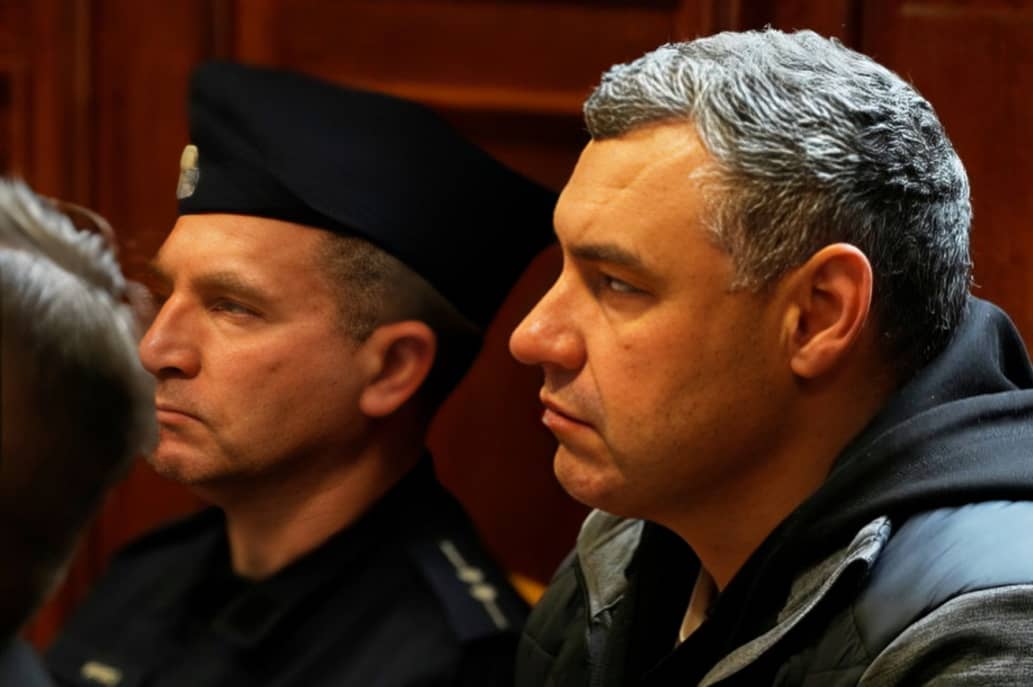
The investigation has also focused on a second Ukrainian national, identified as Vladimir Z. German authorities accuse him of helping carry out the underwater operation. He is described as a trained scuba diver and was arrested in the Croatian city of Pula under a European arrest warrant issued by Germany. Croatian authorities are considering the German request for his extradition.
German prosecutors allege that the suspects were part of a larger team involved in placing explosives on the pipelines. Investigators believe the operation required specialist diving capabilities because the damaged sections of the pipelines were located beneath the Baltic Sea.
The arrest of Vladimir Z. is regarded as a significant development because it has allowed German investigators to advance their case against another alleged participant. Earlier, German authorities had already pursued legal action against Serhii K., who was arrested in Italy in 2025 and later faced accusations connected with the Nord Stream operation. He has denied involvement in the sabotage.
The case has wider geopolitical importance because Nord Stream was a major energy link between Russia and Europe. The destruction of the pipelines disrupted a significant route for Russian natural gas exports to Germany and added uncertainty to an already strained European energy market.
The explosions also generated competing theories about who was responsible. Investigations by several European countries examined evidence from the Baltic Sea, while international intelligence assessments explored different possible explanations for the attack. German prosecutors have now presented a detailed theory involving a Ukrainian-linked group, but the allegations remain part of an ongoing judicial process.
Ukraine has rejected responsibility for the explosions. President Volodymyr Zelenskiy said on August 24, 2026 that Ukraine was not involved in the Nord Stream blasts and that Kyiv had never officially participated in an operation targeting the pipelines. He also said Ukraine was cooperating with the investigation.
The legal proceedings surrounding Vladimir Z. are now being closely watched in Croatia and Germany. A Croatian court has placed him in detention while the extradition process is considered. The final decision on whether he will be transferred to Germany will be determined through the applicable European legal procedures.
The investigation is also significant because Germany has jurisdiction over the case despite the explosions occurring in international waters. German authorities have argued that the pipelines terminated in Germany and that the attack had a direct impact on the country’s energy security.
If German prosecutors eventually secure convictions, the case could provide important evidence about how the sabotage was organised, who financed the operation and whether any state authorities were involved. At present, however, those broader questions remain unresolved.
The Nord Stream investigation therefore remains an evolving legal and diplomatic issue. Germany is continuing to pursue suspects, Croatia is considering the extradition of Vladimir Z., and Ukraine maintains that it was not responsible. The outcome of the judicial process could have major implications for European security, energy policy and relations between Ukraine, Germany and other countries involved in the investigation.
For now, the allegations made by German prosecutors should be understood as accusations rather than established facts. The suspects are entitled to due process, and any responsibility for the 2022 pipeline explosions will ultimately have to be determined through the relevant legal proceedings.