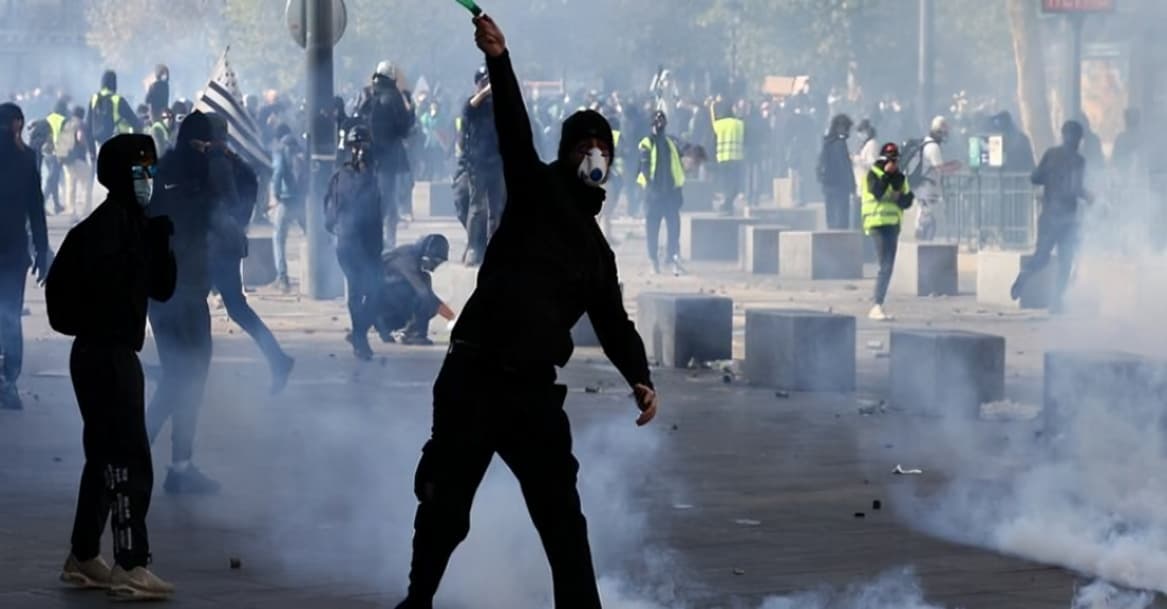
Jadar Valley, Serbia: Farmers in Serbia’s Jadar Valley have intensified protests against Rio Tinto’s lithium mining project, raising concerns over environmental degradation and threats to their traditional livelihoods. The multinational company’s plan to extract lithium, a key element in electric vehicle batteries, has drawn international attention but sparked strong local resistance.
Lithium is in high global demand due to the rapid growth of electric vehicles and renewable energy technologies. Rio Tinto’s project in Jadar Valley is expected to contribute significantly to global lithium supply. However, local farmers fear contamination of rivers and groundwater, destruction of fertile agricultural land, and displacement from their homes. Environmental groups have also voiced concerns about deforestation, habitat loss, and long-term ecological damage.
The protests have seen thousands of farmers and residents blocking roads, staging demonstrations, and engaging in public campaigns against the project. Many locals argue that while the project promises economic growth, it could irreversibly damage Serbia’s agricultural sector, which sustains thousands of families in the region.
Serbian authorities have been caught between the potential economic benefits of the mining project, including job creation and foreign investment, and the environmental and social costs highlighted by the community. Some policymakers have called for a thorough environmental impact assessment and public consultations before allowing the project to proceed.
In addition to grassroots protests, civil society organizations have launched awareness campaigns, highlighting the risks of water pollution, soil contamination, and biodiversity loss. Experts warn that lithium extraction, particularly through open-pit mining, can release toxic substances into the environment, which may take decades to remediate.
Rio Tinto has stated that its operations will follow international safety and environmental standards and that the project will contribute to Serbia’s economic development. Despite these assurances, public trust remains low due to past controversies involving mining companies in the region.
The Jadar Valley protests reflect a broader global debate over sustainable mining and the environmental costs of green technologies. While lithium is crucial for renewable energy transitions, the social and ecological consequences of large-scale extraction cannot be ignored.
Analysts suggest that resolving the conflict will require transparent communication, independent environmental monitoring, and fair compensation mechanisms for affected communities. The outcome in Jadar Valley could set a precedent for how countries balance industrial development, environmental protection, and the rights of local populations.
As the situation develops, international observers, environmentalists, and the global lithium industry are closely monitoring the protests. The resolution of this conflict may influence mining policies in other countries with rich lithium deposits.