In a landmark decision, South Korea’s National Assembly has voted to impeach President Yoon Suk Yeol following his controversial order to impose martial law during a recent wave of protests. The vote has sent shockwaves through the political landscape of the country, highlighting the intense divisions that have surfaced in the wake of the president's actions.
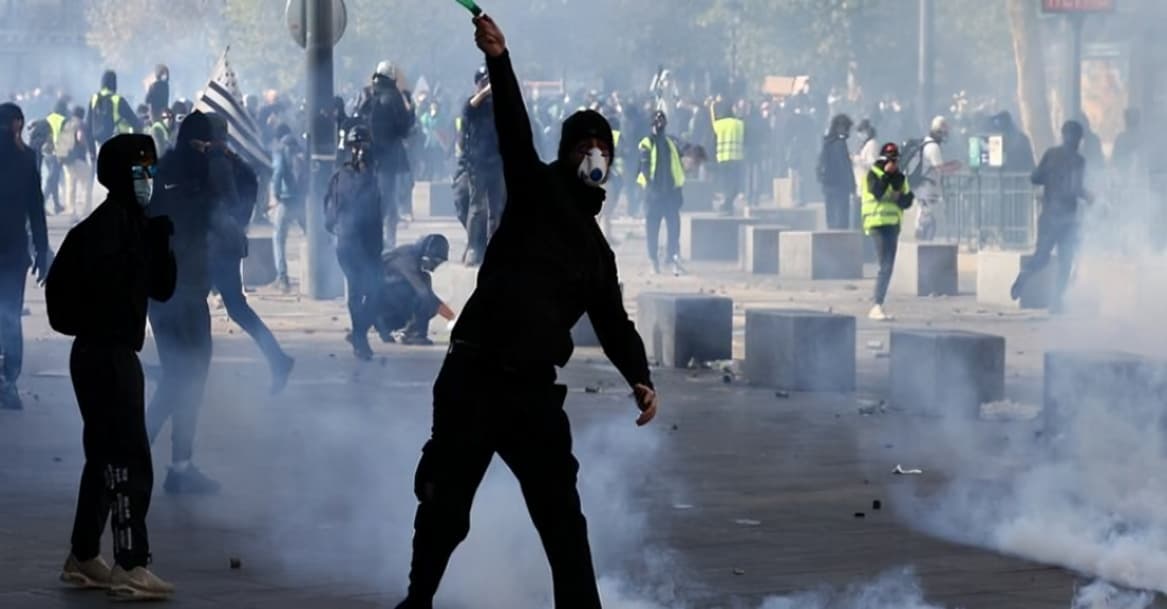
The impeachment comes after growing concerns over the constitutionality of President Yoon’s order, which was implemented during demonstrations that erupted across the country earlier this year. Critics argue that the imposition of martial law violated democratic principles, while supporters claim it was a necessary move to maintain public order and stability during the protests.
The decision to impeach President Yoon has sparked widespread political debate, with many questioning the impact it could have on South Korea’s governance and international standing. The vote, which took place with overwhelming support from opposition lawmakers, marks a significant moment in South Korea’s political history, as the country has not witnessed an impeachment of a sitting president in over two decades.
Opposition parties argue that the martial law order was an overreach of presidential power, pointing to concerns about human rights and the suppression of dissent. On the other hand, President Yoon and his supporters maintain that the actions were necessary to preserve national security and prevent further violence during the protests, which had escalated into clashes between demonstrators and law enforcement.
The vote now triggers a complex legal and political process. Under South Korean law, the impeachment decision will be sent to the Constitutional Court, which will have up to 180 days to rule on whether the impeachment should stand. If the court upholds the impeachment, President Yoon will be removed from office, and a new presidential election will be held. If the court rejects the impeachment, Yoon will be reinstated.
As the nation braces for what could be a prolonged political crisis, questions surrounding the balance of power, democracy, and civil liberties are at the forefront of public discourse. South Korea’s political landscape is now set for a dramatic shift, with implications not only for the future of President Yoon’s administration but also for the broader political climate in the country.
This historic event has caught the attention of global observers, with many watching closely to see how South Korea’s democratic institutions handle the fallout. The outcome of the Constitutional Court’s ruling could have significant ramifications for the nation’s political stability and its relationships with key international partners, particularly in the context of regional security concerns.