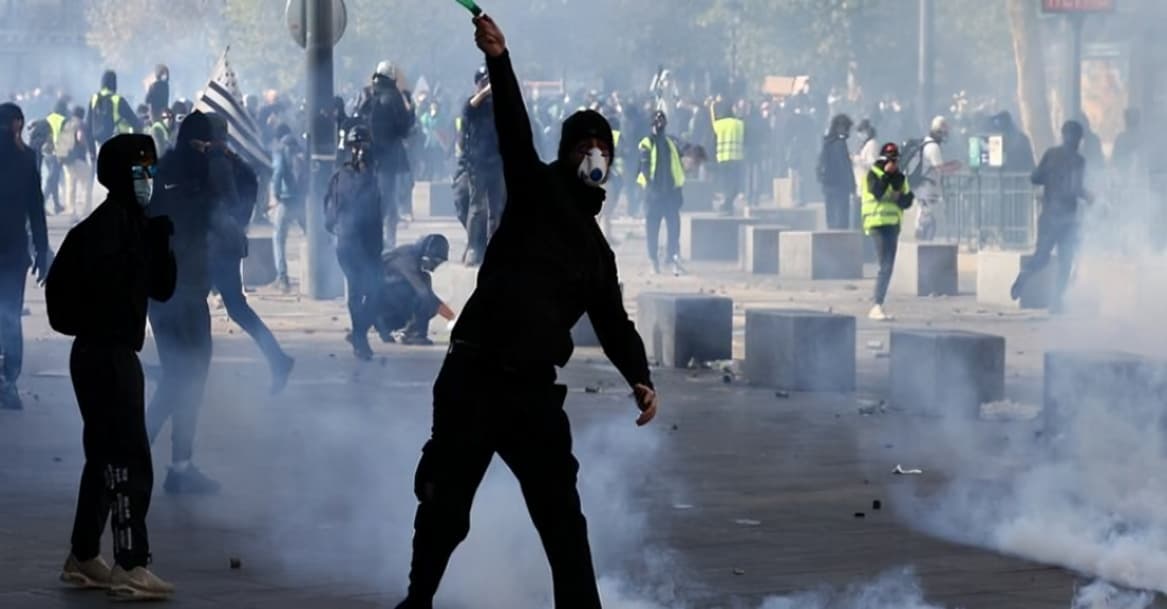
In recent weeks, thousands of New Zealanders have participated in widespread protests to advocate for the rights of the Māori, the indigenous people of the nation. The demonstrations, organized by various Māori advocacy groups, highlight a series of longstanding issues that have continued to affect the community, including land rights, lack of access to education and healthcare, and economic disparities.
At the heart of these protests is the Treaty of Waitangi, signed in 1840 between the British Crown and Māori chiefs. While it was intended to protect Māori land and rights, many Māori believe the promises made in the treaty have not been fully upheld. Protestors argue that the government has consistently failed to address these inequities and that Māori people continue to face systemic discrimination in several areas of life, including healthcare, housing, and employment.
One of the most prominent issues raised during the protests is the ongoing battle for land rights. Māori activists have long campaigned for the return of lands taken from them during colonization and its aftermath. Land, in Māori culture, is not just an economic asset; it is also deeply connected to their identity, heritage, and spiritual well-being. Many protestors are calling for greater respect for Māori authority over their ancestral lands and resources.
Cultural preservation is also a central theme of the protests. Māori activists have emphasized the need for the government to respect and promote Māori language, traditions, and practices, which are often marginalized in mainstream New Zealand society. There is a growing demand for Māori culture to be taught in schools and for greater visibility and support for Māori communities in the media and political spheres.
The protests have attracted widespread attention, with people from various walks of life, including Māori and non-Māori, joining the movement. While the protests have been largely peaceful, they have ignited intense debate about the country's colonial past and the ongoing struggle for justice and recognition for Māori people.
In response to the protests, New Zealand's government has expressed its commitment to addressing some of the issues raised by the Māori community. However, many protestors argue that significant action is still needed to fulfill the promises made to Māori in the Treaty of Waitangi and to ensure that Māori people can enjoy equal rights and opportunities.
These protests reflect a growing global awareness of indigenous rights and have sparked conversations about the importance of reconciliation, recognition, and respect for indigenous cultures around the world.