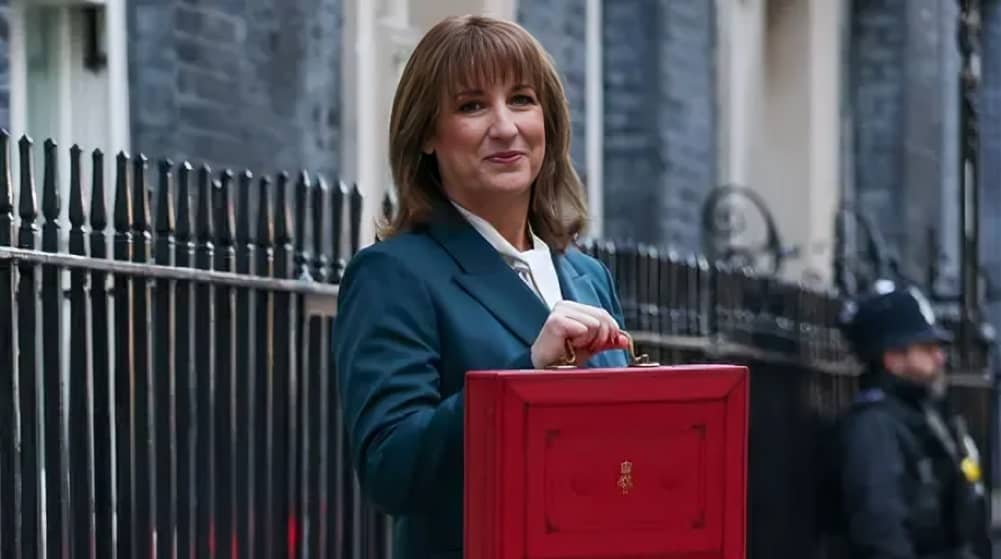
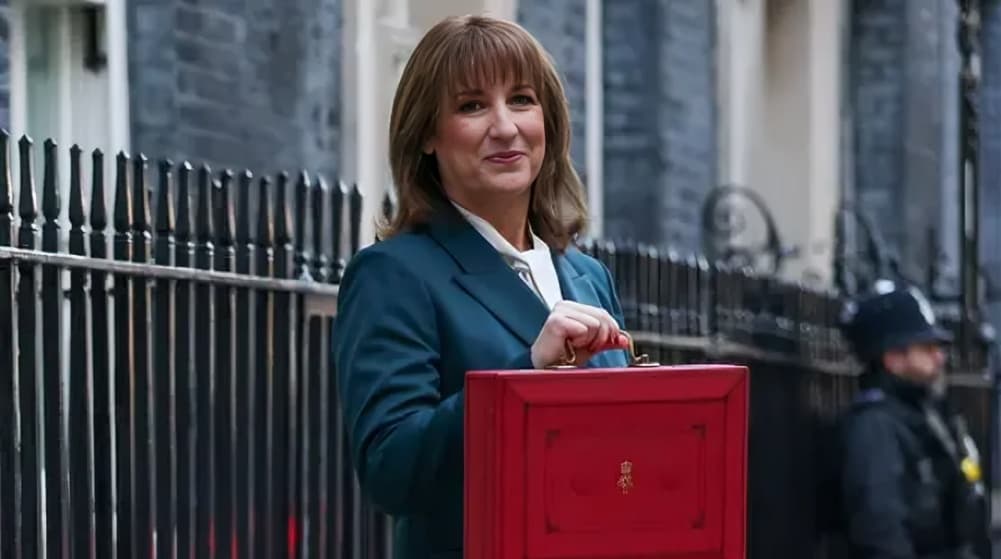
The United Kingdom unveiled its latest budget with a focus on raising taxes to tackle growing public debt and fund crucial public services, including health, education, and infrastructure. The government aims to balance fiscal responsibility with economic stability amid rising inflation and global economic uncertainty. The budget includes a combination of income tax adjustments, increased corporate taxes, and targeted levies on high-income individuals.
Chancellor of the Exchequer presented the budget, emphasizing the need for the government to secure long-term financial sustainability. “We must ensure that our public services are adequately funded while managing the nation’s debt responsibly,” the Chancellor said. Analysts view the move as a measure to restore investor confidence and safeguard public finances against ongoing economic pressures.
Key highlights of the budget include an increase in income tax rates for top earners, higher corporate tax rates, and adjustments to capital gains taxation. These measures are intended to generate additional revenue that can be reinvested into public services. Healthcare funding will be expanded to meet rising demand, particularly in hospitals and primary care services, while education spending will support school infrastructure, teacher recruitment, and vocational training programs.
The government has also indicated that it will maintain support for small and medium-sized businesses through tax relief schemes and investment incentives, aiming to protect economic growth and employment. Analysts note that while the tax hikes may affect high earners and corporations, the overall impact on the economy is expected to be moderated by careful planning and phased implementation.
Economists have highlighted that the UK faces multiple fiscal challenges, including inflationary pressures, rising borrowing costs, and social welfare commitments. By increasing taxes, the government hopes to reduce reliance on borrowing and prevent the debt-to-GDP ratio from rising further. The budget also addresses long-term infrastructure needs, with investments planned for transportation, renewable energy, and digital projects, supporting both economic growth and job creation.
Public reaction to the budget is mixed. Supporters argue that tax hikes on wealthier individuals and corporations are necessary to maintain public services and reduce inequality. Critics warn that higher taxes could impact investment and economic activity, potentially slowing growth in certain sectors. The government has pledged to review the effects of the measures annually and adjust policies to balance growth with fiscal responsibility.
The UK budget reflects a broader strategy to maintain financial stability, support public services, and ensure sustainable economic growth. By targeting taxes on high earners and corporations while safeguarding essential services, the government seeks to manage debt responsibly while meeting the needs of citizens across the country.