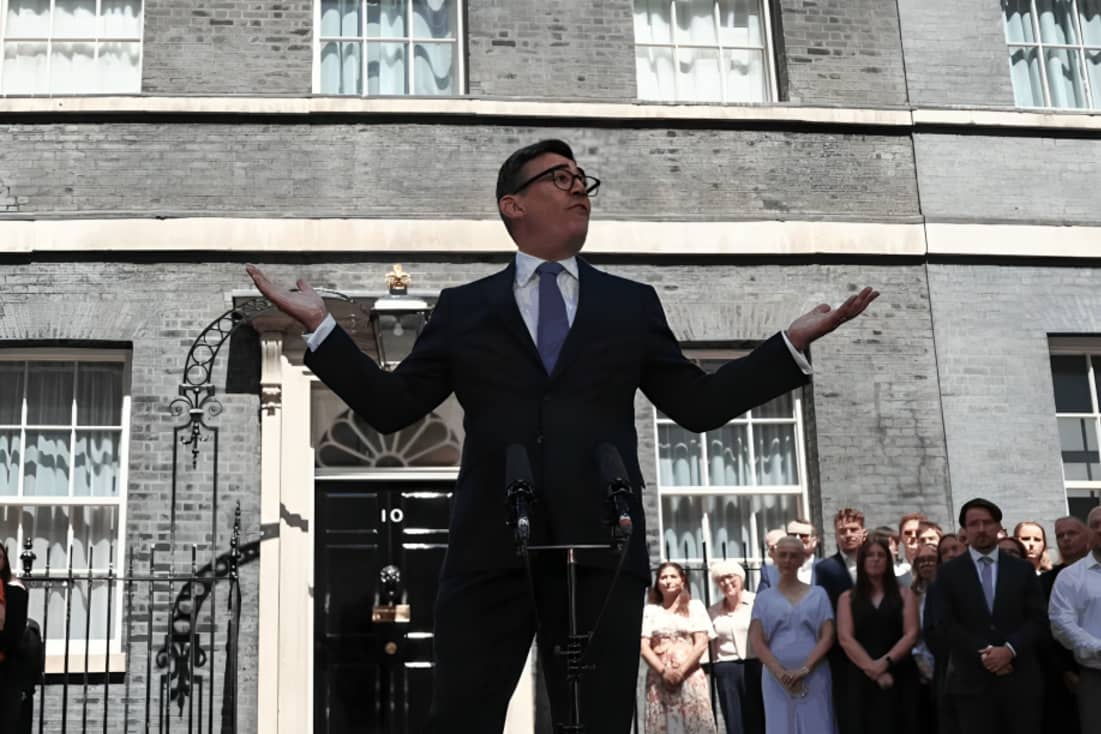
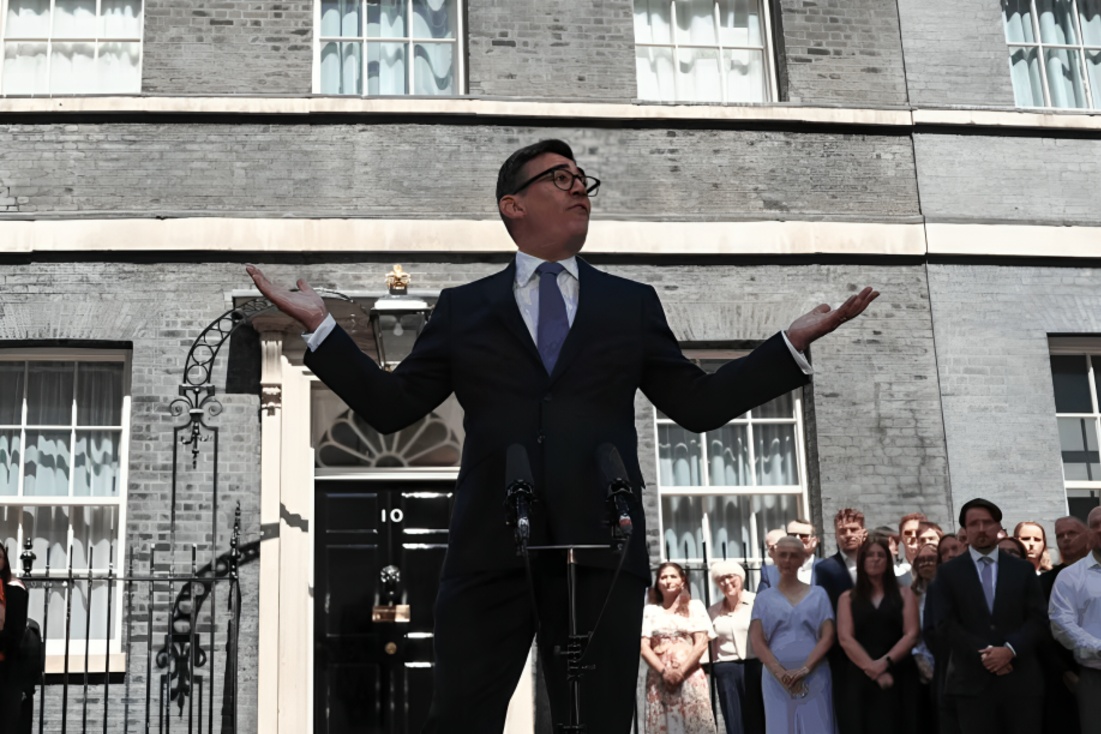
UK Prime Minister Andy Burnham has adopted a distinctive social media strategy as he seeks to reshape the way Downing Street communicates with the public. Rather than relying mainly on traditional television interviews, newspapers and formal political statements, Burnham has increasingly appeared on TikTok, podcasts and creator led digital platforms.
The approach has attracted significant attention because of the informal nature of some of his appearances. Burnham has been seen taking part in everyday activities and appearing alongside well known personalities, helping create content that is designed to be shared across social media platforms.
His communications team has also been producing videos specifically for platforms such as TikTok and X. The strategy is aimed at reaching audiences who may not regularly watch political programmes or follow conventional news coverage.
One of the key features of Burnham's approach is its emphasis on accessibility. His social media appearances often present him in less formal settings than traditional political events. The intention is to make political communication appear more direct and relatable to viewers.
Burnham has appeared in videos involving activities such as pulling a pint, tossing a builder's helmet and running with Olympic medallist Mo Farah. Such appearances have generated attention online and helped his communication team create content that can circulate beyond conventional political audiences.
The strategy also includes appearances on entertainment and creator led channels. These platforms have established audiences that may include younger viewers who are less likely to engage with traditional political broadcasts. By appearing in these spaces, Burnham is attempting to communicate directly with audiences rather than relying entirely on journalists and broadcasters to interpret his message.
The approach represents a notable change in the communication style associated with Downing Street. Burnham's predecessor, Keir Starmer, was frequently criticised by political commentators for having a more formal and controlled public communication style. Burnham has instead placed greater emphasis on informal engagement and direct communication through digital platforms.
The strategy is also connected to the changing nature of political communication in Britain. Social media platforms have become increasingly important in political campaigns, particularly for reaching younger voters. Political parties and leaders are increasingly using short videos, podcasts and creator collaborations to communicate policy positions and build a personal connection with voters.
Burnham's team appears to recognise that political communication now extends well beyond traditional news conferences and parliamentary debates. A short video can potentially reach a large audience within a short period, while a podcast can provide a longer format for discussing political ideas and personal experiences.
His social media strategy has received positive attention from some observers who believe it represents a more modern approach to political communication. Supporters argue that Burnham's natural presentation style helps him appear more approachable and allows him to communicate without the formal constraints of traditional political appearances.
There has also been criticism. Some observers have questioned whether social media popularity can translate into effective government. A strong online presence may increase visibility, but voters will ultimately judge the government on issues such as the economy, public services, immigration, housing, healthcare and living costs.
This tension between communication and policy delivery is likely to remain important for Burnham. His government faces several major policy challenges, and the effectiveness of his social media strategy will depend partly on whether his online messaging is supported by measurable progress in government.
Burnham has also attempted to connect his social media strategy with everyday political issues. His government has promoted measures relating to high streets, household costs, public services and local communities. Recent proposals have included giving local councils greater powers to regulate certain businesses, including vape shops and betting outlets, as part of efforts to revive struggling high streets.
The Prime Minister's communication strategy therefore goes beyond simply posting political statements online. His team has attempted to combine policy announcements with informal videos and appearances designed to attract public attention.
Another important element is the attempt to counter the strong social media presence of populist political movements. Burnham has used digital platforms partly to compete in an environment where parties such as Reform UK have built significant online audiences. His strategy is intended to ensure that Labour has a stronger presence in spaces where political discussions increasingly take place.
The strategy has also attracted comparisons with other political figures who have successfully used social media to create a more personal public image. The growing importance of creator led political communication means that traditional boundaries between politics, entertainment and digital content are becoming less distinct.
For Downing Street, the challenge will be maintaining a balance between accessibility and seriousness. Informal content can help politicians reach new audiences, but the government must also communicate detailed policies and respond effectively to serious national issues.
Burnham's social media push is therefore being closely watched as an experiment in modern political communication. His decision to use TikTok, podcasts and creator platforms demonstrates an understanding of how audiences consume information in the digital age.
The strategy could help Labour strengthen its relationship with younger voters and people who rarely engage with traditional political media. At the same time, its long term success will depend on whether the government's policies produce results that match the image presented online.
As Burnham continues his premiership, social media is expected to remain an important part of his public communication strategy. His appearances on TikTok, podcasts and creator led channels have already changed the tone of Downing Street's public messaging.
The broader significance of the approach extends beyond Burnham himself. Political leaders around the world are increasingly using social media to communicate directly with citizens, bypassing traditional media organisations. Britain is now seeing another example of that transformation at the highest level of government.
Overall, Andy Burnham's approach represents a significant shift towards digital first political communication. By combining TikTok videos, podcasts, creator collaborations and direct social media messaging, the British Prime Minister is attempting to make Downing Street more accessible to modern audiences. Whether this strategy becomes a lasting model for political communication will depend on its ability to translate online engagement into sustained public confidence and effective government delivery.