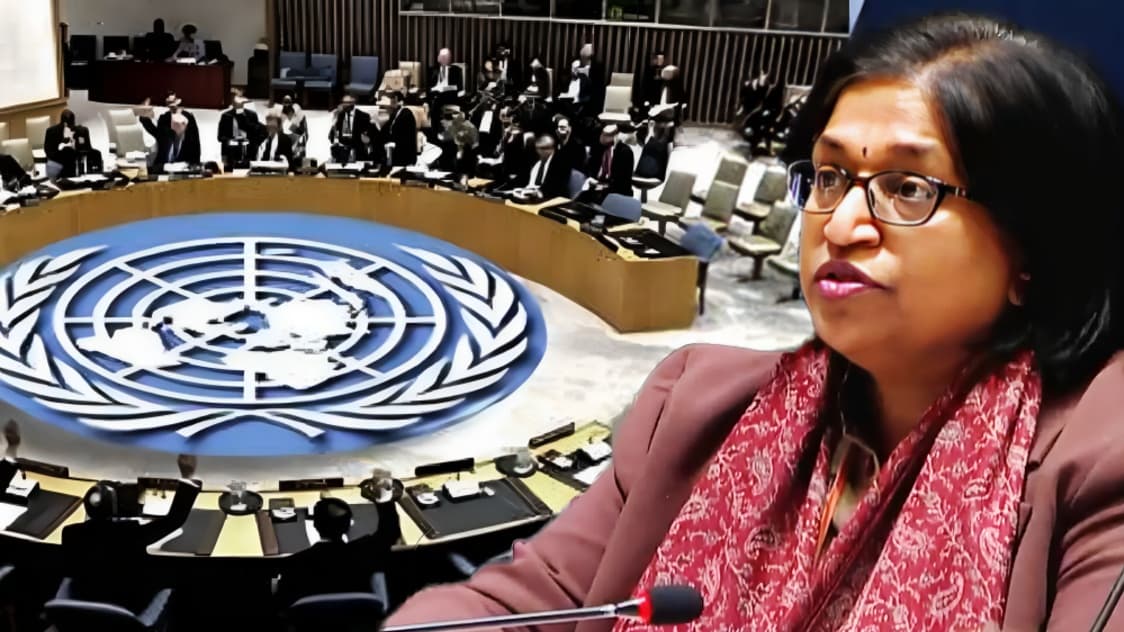
The United Nations has formally approved a United States–backed proposal to deploy an international stabilization force in Gaza. The decision marks a significant step in global efforts to address the escalating humanitarian and security crisis in the region. The resolution, passed after extensive discussion among member nations, authorizes participating countries to contribute personnel, equipment, and logistical support for a coordinated mission under UN oversight.
According to UN officials, the stabilization force is intended to focus on establishing secure zones for civilians, supporting humanitarian agencies, and monitoring the implementation of ceasefire arrangements. The mission’s primary objectives include restoring basic security conditions, enabling safe access for medical and relief workers, and reducing the risks faced by residents in conflict-affected areas. The UN has emphasized that the force will not interfere with local governance structures but instead assist in stabilizing key areas to facilitate broader recovery.
The United States, which sponsored the proposal, has described the mission as a necessary international response to the worsening situation in Gaza. American representatives stated that the aim is to ensure protection for civilians while providing support for essential services and humanitarian operations. The proposal received considerable backing from member countries that expressed concern over the deteriorating living conditions in the region.
Several nations have indicated their willingness to contribute to the stabilization force, although final commitments are expected to be confirmed in the coming days. The coordinated effort will include military personnel, security advisors, and specialized teams trained in humanitarian assistance. UN agencies will work closely with participating countries to finalize deployment logistics and operational frameworks.
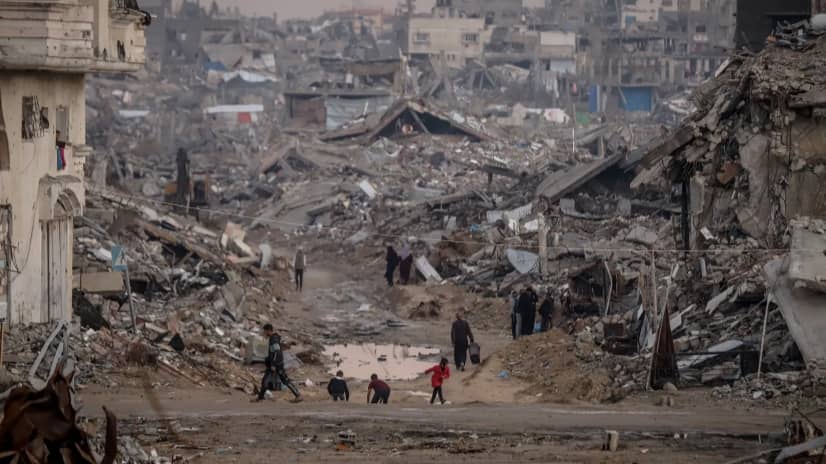
Humanitarian organizations have welcomed the approval, highlighting that improved security conditions are crucial for effective relief distribution. Many areas in Gaza continue to face shortages of essential supplies, limited medical care, and damaged infrastructure. Aid groups believe the presence of an international force could significantly enhance their ability to reach affected communities.
At the same time, the resolution has sparked discussion among geopolitical experts. Some analysts note that while the mission may improve immediate conditions, long-term stability will depend on broader political agreements. Others emphasize the importance of ensuring neutrality and gaining cooperation from all parties involved in the conflict.
Regional reactions have been mixed but generally cautious. Some leaders have expressed hope that the international force will help reduce tensions, while others have raised concerns about external military presence and its potential impact on ongoing negotiations. The UN has stressed that the mission is humanitarian in nature and that its operational guidelines are designed to prevent escalation.
The stabilization force is expected to deploy in phases, with initial teams focusing on high-risk and high-need areas. UN officials will continue coordinating with local authorities, regional partners, and humanitarian organizations to ensure efficient implementation.
With the approval of this resolution, the international community aims to create safer conditions for civilians in Gaza, strengthen humanitarian response capabilities, and lay the groundwork for long-term peace and recovery.