Venezuela is witnessing one of the most uncertain political phases in its recent history as major changes unfold in the national capital Caracas. The country long led by President Nicolas Maduro has faced economic hardship, diplomatic isolation, and growing opposition protests over the years. The latest developments have further complicated the political environment.
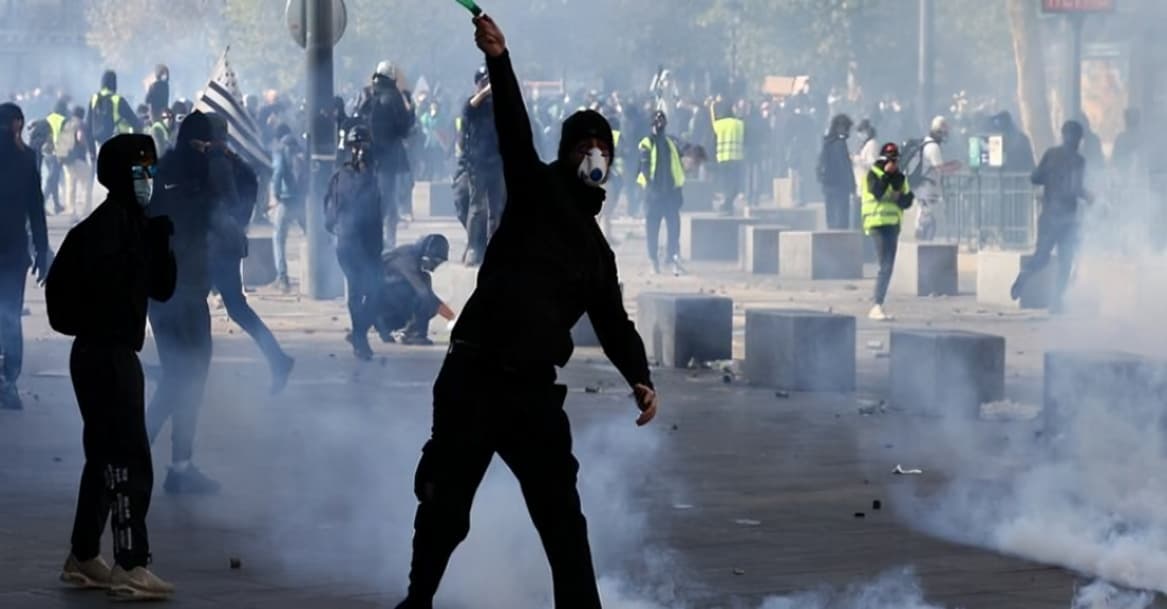
On Saturday, unrest intensified after the United States government announced new measures targeting senior leaders of the Maduro administration. The US stated that its actions were intended to address concerns over governance, human rights, and regional security. Following these announcements, Venezuela parliament convened an emergency session.
Earlier today, Delcy Rodriguez, who served as vice president under Nicolas Maduro, was formally sworn in as interim president of Venezuela inside the parliament building. In her first address, Rodriguez said she would work toward stabilizing the nation and opening channels of communication with the Trump administration. She emphasized the need for economic recovery, restoration of public services, and dialogue with all political groups.
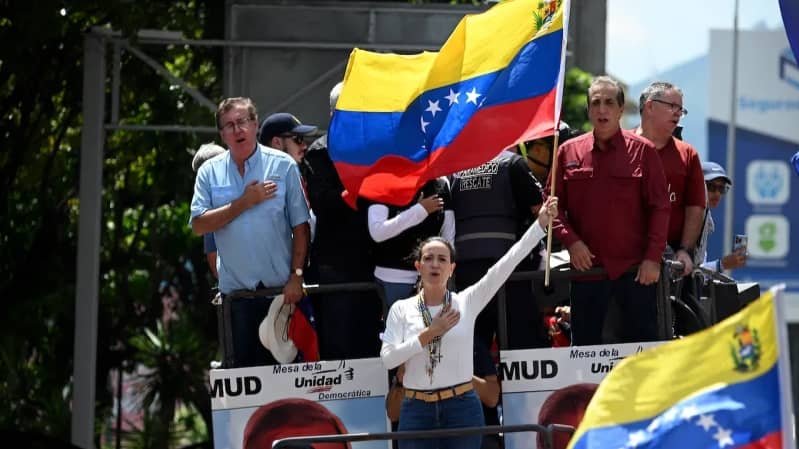
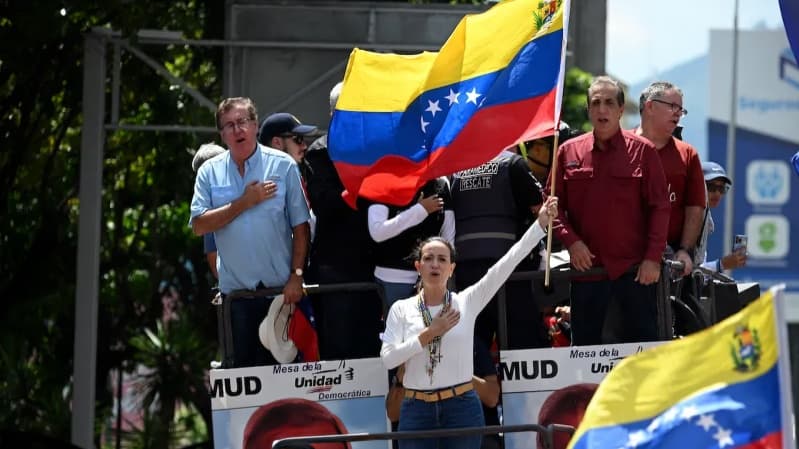
The leadership transition has drawn attention to opposition figure Maria Machado, a former lawmaker and Nobel Peace Prize winner who has been widely respected for advocating democratic reforms. Several international observers expected the United States to openly support Machado as the next president. However, Washington has so far avoided formally backing her candidacy.
Political experts offer multiple explanations for this cautious approach. Venezuela possesses some of the world largest proven oil reserves, and the US has strong strategic interests in global energy markets. Supporting any single opposition leader too early could affect delicate negotiations regarding crude exports and economic sanctions. Economists say the United States may prefer a transitional arrangement that ensures predictable oil supply and financial stability rather than an abrupt change of power.
Others believe that US policy is shaped by complex personal diplomacy and international calculations. The Trump administration has focused on direct engagement with governments and transitional authorities. Rodriguez recent statement about cooperating with Washington appears aligned with that strategy.
Within Venezuela, public reaction remains divided. Supporters of the interim president say the transition will help reduce confrontation and bring relief to ordinary citizens suffering from inflation, unemployment, and shortages. Opposition groups argue that the new arrangement does not fully represent the democratic aspirations of the people.
Neighbouring Latin American nations and Caribbean trade partners are also watching the situation carefully. Venezuela open border policy and energy exports play an important role in the region. Any prolonged instability in Caracas could impact trade routes, migration, and fuel prices across the continent.
India, as a neutral observer, has historically maintained diplomatic relations with Venezuela and imports limited quantities of crude oil from the country. Foreign policy analysts in New Delhi say developments in Venezuela may influence global oil prices, which directly affect Indian consumers and industries.
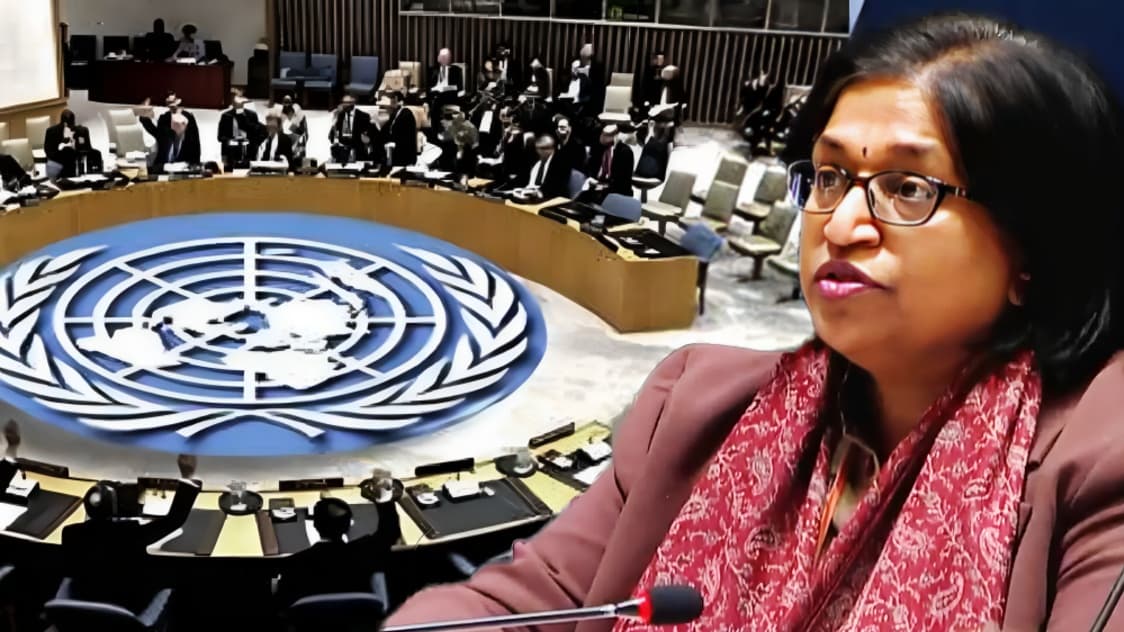
International organizations such as the United Nations and the Organization of American States have urged calm and called for peaceful political dialogue. They stress that Venezuela future must be decided through constitutional and democratic processes without external interference.
The capture of President Nicolas Maduro by US authorities, as claimed in several media reports, has not yet been independently verified by global agencies. The US Defense Department has not issued detailed statements about the operation, while Venezuela institutions continue functioning under interim leadership.
Venezuela remains at a crossroads between economic revival and political contest. The coming weeks are expected to be crucial for deciding whether dialogue with the United States will ease sanctions and restore stability in Caracas. For now, the nation faces deep uncertainty as citizens hope for a peaceful and sustainable resolution to the long running crisis.
Sources / References: