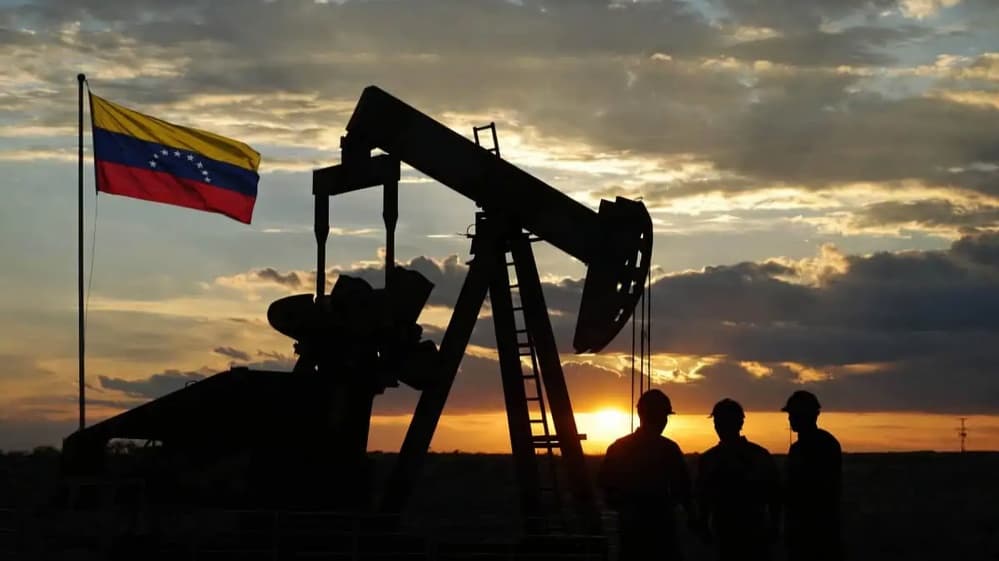
Venezuela has enacted major reforms to its oil industry law, with interim President Delcy Rodríguez signing legislation that opens the country’s oil sector to privatization after more than 20 years of state control. The move represents a fundamental shift in Caracas’s approach to its vast petroleum resources, long managed under a state monopoly through the national oil company Petróleos de Venezuela SA (PDVSA).
Under the new law, private and foreign firms are now able to participate more broadly in oil production and commercialization, marking a departure from decades of socialist policy that required state majority ownership in oil ventures. The reform also introduces independent arbitration for disputes, providing a mechanism for resolving legal issues outside the Venezuelan court system, which critics say lacks full judicial independence.
The legislation adjusts tax and royalty frameworks for oil operations, including setting a cap on royalty rates that can be tailored to individual projects. These changes aim to enhance the competitiveness of investment opportunities and make operations more attractive for international energy companies. By loosening regulatory barriers and revising revenue structures, Venezuela hopes to draw much-needed foreign capital and technical expertise to revive its long-declining oil output.
The reform has wide implications. Venezuela holds the world’s largest proven crude oil reserves, yet production has fallen sharply over recent decades due to underinvestment, mismanagement and the impact of international economic sanctions. By opening the sector to private involvement, the government is attempting to reverse this trend and stimulate growth in an industry central to the nation’s economy.
Supporters of the law argue that it could boost oil production, create jobs and increase government revenues at a time when Venezuela’s economy has struggled with low output and financial instability. They contend that private and foreign investment can bring modern technologies and management practices that improve operational efficiency and output. Some industry observers also note that changes such as independent dispute resolution and adjusted tax terms could foster greater investor confidence.
However, not all reactions have been positive. Skeptics caution that simply opening the sector may not guarantee widespread benefits for ordinary Venezuelans. Critics point to concerns about how revenue will be shared, whether long-term contracts will protect local interests, and if economic gains will translate into meaningful improvements in living standards. Historical experiences with oil wealth have left some Venezuelans wary, given past episodes where oil revenues did not result in stable public prosperity.
The reform comes amid shifting international dynamics. Reports indicate that sanctions on parts of the oil sector have also been eased by the United States, which may open further opportunities for U.S. companies and others to engage in Venezuela’s energy market. This diplomatic and economic backdrop adds another layer of complexity to the ongoing transformation of Venezuela’s oil policy framework.
As Venezuela implements these reforms, the key questions remain whether foreign investment will materialize at scale and whether the benefits of a revitalized oil industry will be broadly felt across the Venezuelan economy. Analysts will be watching closely in the coming months as global energy companies assess opportunities and risks under the new law.