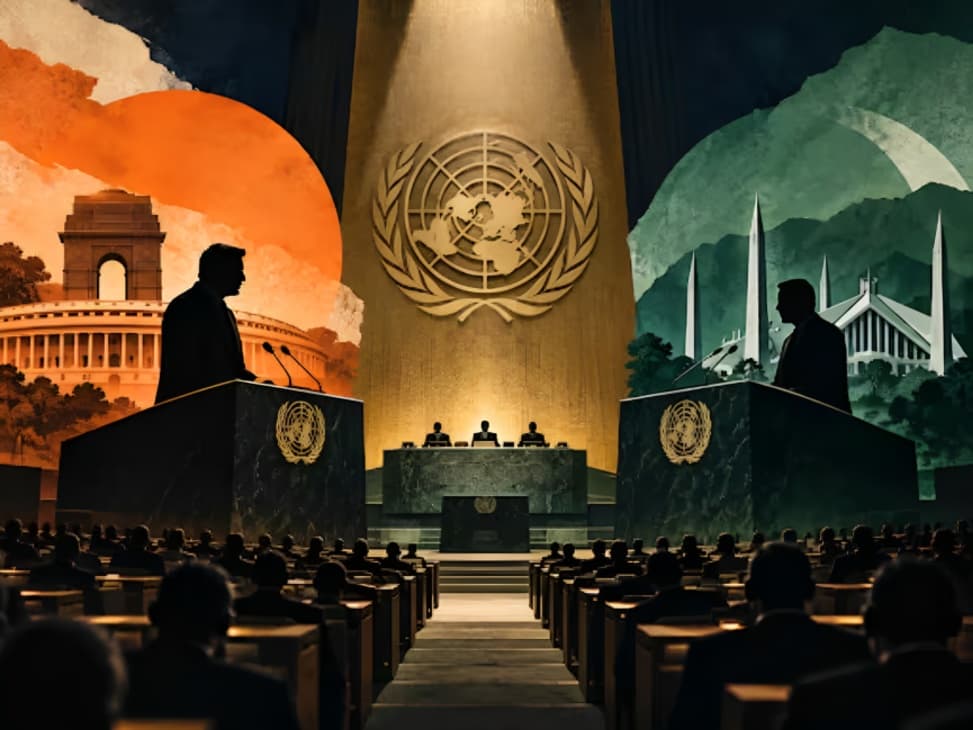
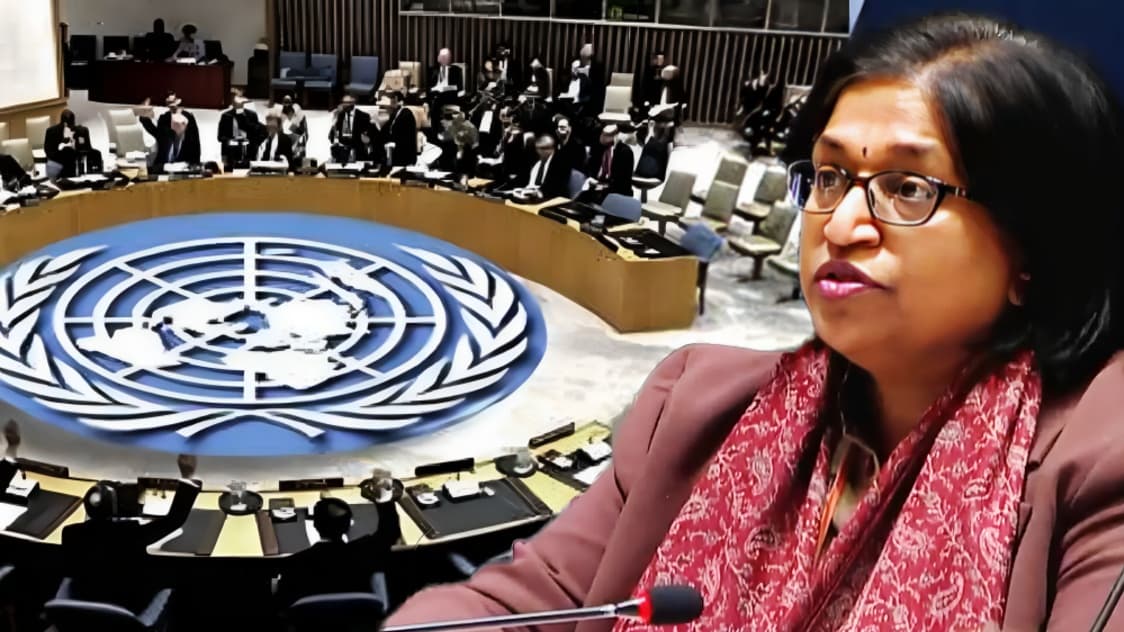
Petal Gahlot, an Indian diplomat, came into the spotlight following her remarks at the United Nations General Assembly (UNGA), where she sharply criticized Pakistan Prime Minister Shehbaz Sharif’s address. In her statement, Gahlot referred to Sharif’s speech as “absurd theatrics,” underscoring India’s rejection of rhetoric that contradicts facts on the ground. Her intervention reflects India’s strategy of using diplomatic channels to assert its stance on sovereignty, security, and regional stability.
Gahlot is a seasoned diplomat with experience in multilateral forums, representing India on issues related to international security, human rights, and regional cooperation. Known for her articulate and firm approach, she has consistently highlighted India’s positions in global discussions, emphasizing evidence-based arguments over rhetoric. Her UNGA remarks drew attention for their clarity and directness, reflecting India’s commitment to upholding truth and accountability in international discourse.
During the UNGA session, Gahlot emphasized that India remains committed to dialogue and peace but will not tolerate misinformation or attempts to distort facts. By addressing Pakistan’s statements publicly, she reinforced India’s position on terrorism, border security, and regional cooperation. Her intervention was widely covered in media, signaling the importance of clear and decisive diplomatic communication in addressing contentious issues.
Diplomatic experts note that Gahlot’s remarks align with India’s broader foreign policy approach of assertive engagement, particularly in forums where issues of security and bilateral tensions are discussed. Her emphasis on evidence and facts serves to counter narratives that seek to portray India unfavorably, while reinforcing India’s role as a responsible and proactive regional actor.
Petal Gahlot has previously served in several key assignments at India’s Ministry of External Affairs and at Indian missions abroad, handling matters related to international law, trade, and multilateral negotiations. Her experience in dealing with complex geopolitical issues has made her a trusted voice in articulating India’s perspectives on the global stage.
Her intervention at the UNGA highlights the role of skilled diplomats in shaping international opinion and protecting national interests. Gahlot’s comments were not only directed at countering Pakistan’s statements but also aimed at sending a message to the international community regarding India’s commitment to justice, security, and regional peace.
In addition to her professional achievements, Gahlot is recognized for her ability to communicate complex issues clearly and persuasively. Her remarks at the UNGA reflect both her diplomatic expertise and India’s strategic messaging, ensuring that global audiences receive a balanced and factual perspective on sensitive matters.
In conclusion, Petal Gahlot’s critique of Sharif’s UNGA address exemplifies India’s proactive diplomatic engagement and highlights the role of competent diplomats in defending national interests on international platforms. Her statements reinforced India’s commitment to sovereignty, regional stability, and evidence-based diplomacy while demonstrating the importance of clear and assertive representation in multilateral forums.