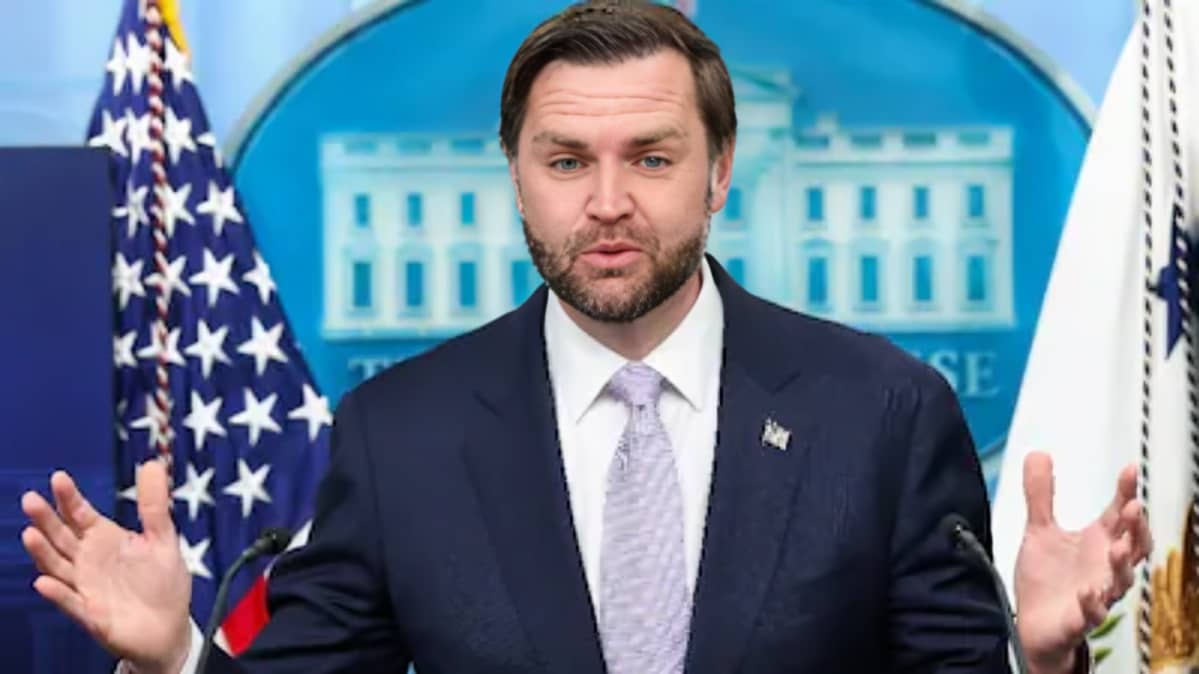
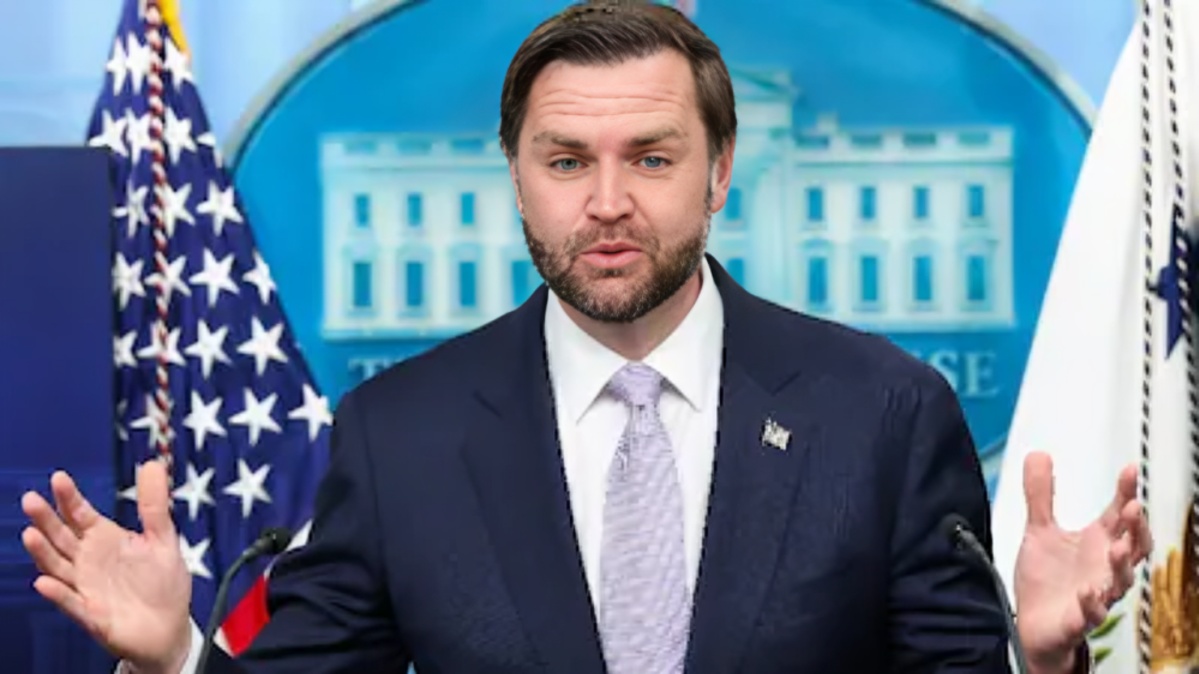
The United States is intensifying its economic pressure on Iran, with Vice President JD Vance describing economic measures as the most effective tool available to Washington in its current approach towards Tehran.
Vance said the United States had entered a new phase in its confrontation with Iran, with economic pressure becoming a central component of the strategy. At the same time, he acknowledged that using economic pressure against a country such as Iran requires a careful and balanced approach.
The comments came shortly after President Donald Trump announced plans for what he described as an unprecedented campaign of economic warfare and isolation against Iran.
Trump has threatened to impose severe economic consequences on countries and entities that continue significant business or financial dealings with Tehran. The proposed measures are expected to focus on Iran’s economic lifelines, including oil-related transactions, financial transfers, shipping networks and companies that help Iran circumvent restrictions.
Vance’s comments indicate that the Trump administration is increasingly looking to economic tools to achieve its objectives while limiting the need for further large-scale military action.
Speaking about the strategy, Vance said sustained economic pressure could influence decision making in Tehran. He argued that the United States could use economic leverage to push Iran towards a change in its approach.
However, the vice president also acknowledged the difficulty of maintaining such pressure without creating additional problems for the United States, its allies and the global economy.
This is particularly important because Iran is deeply connected to international energy and trade markets. Any major disruption to Iranian oil exports or financial transactions could affect countries that maintain commercial relationships with Tehran.
The situation also has implications for the global energy market because Iran is a major oil-producing country and the Strait of Hormuz remains an important route for international energy shipments.
The United States has been seeking to increase pressure on Iran while attempting to avoid an even wider escalation in the region. Washington's current approach combines economic restrictions with broader security and diplomatic measures.
Trump has described his latest policy as an effort to impose the strongest economic pressure yet on Iran. His administration has indicated that the campaign could target oil smuggling networks, financial channels, exchange houses, ship registries and front companies connected with Iranian trade.
US Treasury Secretary Scott Bessent has also warned that countries continuing to conduct business with Iran could face consequences under the new policy.
The administration's strategy is therefore not limited to Iranian companies or institutions. It could also affect foreign businesses and financial institutions that continue to facilitate Iranian trade.
This has raised concerns among some of Iran’s major trading partners, particularly China. China remains a major buyer of Iranian oil, and stronger US sanctions against companies involved in that trade could create additional tensions between Washington and Beijing.
India and other countries could also face difficult choices if Washington expands secondary sanctions. Countries with established economic or energy links with Iran may need to assess the impact of additional US restrictions on their businesses and financial institutions.
The immediate objective of the US campaign is to restrict Iran’s access to revenue and international financial channels.
Economic sanctions have been a major part of US policy towards Iran for many years. Washington has previously used sanctions to target Iranian oil exports, banks, shipping companies and individuals.
The Trump administration is now seeking to intensify those measures.
According to Reuters, the United States has already sanctioned more than 1,000 individuals and entities connected with Iran and is considering additional measures targeting oil buyers and financial institutions.
The administration believes that stronger economic pressure could reduce Iran’s ability to finance military activities and other operations.
However, the effectiveness of sanctions remains a matter of debate.
Iran has lived under extensive international sanctions for decades and has developed alternative trade and financial channels to reduce the impact of restrictions.
Iranian officials have rejected Washington’s latest threats and described the policy as another attempt to pressure the country economically.
Tehran has also argued that previous sanctions failed to achieve their intended political objectives.
The Trump administration, however, believes that a more comprehensive campaign could produce stronger results, particularly if other countries cooperate with the United States.
The challenge for Washington will be maintaining international support while imposing increasingly severe restrictions.
This is one reason Vance described the strategy as a delicate balance.
A major escalation could put additional pressure on Iran, but it could also create consequences for global energy prices, international trade and relations between the United States and other major economies.
The Strait of Hormuz is particularly important in this context. The waterway is a crucial transit route for global oil shipments, and disruptions there can quickly affect energy markets.
The ongoing tensions surrounding the region have already contributed to uncertainty in international energy markets.
The US administration has said its economic strategy is designed to increase pressure on Tehran while pursuing broader security objectives.
Washington has also indicated that it wants Iran to change its policies on issues including its nuclear programme and regional activities.
The precise conditions for ending or reducing the new economic measures have not been fully detailed.
Trump's announcement therefore represents a significant escalation in rhetoric and economic pressure, but the exact scope and timing of additional measures remain important questions.
The United States has warned that companies and countries continuing certain forms of business with Iran could face restrictions.
This approach could have consequences beyond Iran because international businesses often rely on US financial institutions and markets.
Companies may therefore decide to reduce or suspend dealings with Iranian entities to avoid potential US penalties.
Such decisions could further isolate Iran from the international financial system.
At the same time, Iran may attempt to strengthen commercial relationships with countries willing to continue trading with it.
China is particularly important in this regard because of its role as a major buyer of Iranian oil.
Turkey, Iraq, Oman and other regional countries also maintain varying degrees of economic relations with Iran. Stronger US pressure could make those relationships more complicated.
The economic consequences could extend to shipping, insurance and banking sectors.
If additional restrictions are imposed on vessels carrying Iranian oil or on companies involved in Iranian trade, international shipping companies may face increased compliance costs and operational risks.
The financial sector could also face additional scrutiny.
US authorities have previously targeted networks accused of helping Iran move money through intermediaries and front companies.
The new campaign could expand those efforts.
For Iran, the challenge will be maintaining access to foreign currency and international markets while facing increased restrictions.
For the United States, the challenge will be determining whether economic pressure can achieve its political objectives without triggering further regional instability.
Vance's comments suggest that Washington is aware of these risks.
Calling the approach a delicate balance reflects the difficulty of applying maximum economic pressure while avoiding unintended consequences.
The administration also faces the question of how Iran will respond.
Tehran could attempt to negotiate, seek alternative trading partners or increase its resistance to US demands.
The outcome will depend on Iran’s political calculations and its assessment of how much economic pressure it can withstand.
Analysts have also pointed out that sanctions can sometimes strengthen a government's determination to resist external pressure rather than encourage immediate concessions.
The Trump administration nevertheless appears determined to continue with its current strategy.
The US Treasury Department has signalled that additional sanctions could be among the toughest ever imposed on Iran.
Bessent has said the United States wants to apply maximum economic pressure while seeking to avoid further large-scale military escalation.
The strategy could therefore represent a shift towards economic coercion as a primary instrument of US policy.
Vance's remarks reinforce that direction.
The vice president's position is that economic pressure can provide Washington with leverage while avoiding some of the risks associated with direct military confrontation.
However, the wider consequences remain uncertain.
If the United States imposes sanctions on major foreign buyers of Iranian oil, the policy could create disputes with countries that do not support Washington's approach.
China, in particular, could face a difficult decision if US measures directly target its companies or financial institutions involved in Iranian trade.
This could add another layer of tension to already complicated US-China relations.
The impact on oil prices will also be closely watched.
Any significant reduction in Iranian oil exports could tighten global supplies, particularly if disruptions occur in or around the Strait of Hormuz.
Higher energy prices could affect consumers and businesses in countries far beyond the Middle East.
For that reason, economic pressure on Iran is not simply a bilateral issue between Washington and Tehran.
It has the potential to affect international markets, shipping routes, energy security and diplomatic relationships.
The United States is therefore attempting to balance several objectives at the same time.
Washington wants to weaken Iran's economic capacity, influence its political decisions and protect its wider security interests.
At the same time, it must manage the response from Iran and from countries that maintain economic relationships with Tehran.
Vance's description of the policy as a delicate dance reflects this complex situation.
For now, the US administration has made clear that it intends to continue increasing economic pressure.
Iran, meanwhile, has rejected the threats and criticised Washington's approach.
The coming weeks are likely to reveal the precise details of the new sanctions and the extent to which other countries comply with them.
The effectiveness of the strategy will ultimately depend on whether the economic pressure changes Iran's calculations.
For businesses and governments around the world, the immediate concern will be understanding which transactions, companies and financial channels could be affected by the new measures.
Until the United States announces the complete details, the full scope of the proposed economic campaign remains unclear.
What is clear is that Washington is moving towards a much more aggressive economic strategy against Tehran.
JD Vance's latest comments indicate that the United States considers economic pressure a central instrument in its current policy towards Iran.
At the same time, his warning about the delicate nature of the strategy highlights the risks involved.
The coming developments could have significant consequences not only for the United States and Iran but also for global energy markets, international trade and regional stability