The United States has awarded Raytheon, a defence business of RTX, a seven year contract valued at 22.9 billion dollars to substantially increase production of Tomahawk cruise missiles for the US Navy.
The agreement is one of the largest recent US defence production contracts involving the long range cruise missile. Under the deal, Raytheon is expected to increase annual Tomahawk production from approximately 60 missiles to more than 1,000 missiles. The planned increase represents a major expansion of manufacturing capacity over the coming years.
The contract is intended to support the United States military's efforts to rebuild stocks of precision guided weapons. US inventories have faced pressure from weapons supplied to allies and the use of missiles during recent military operations, including the conflict involving Iran.
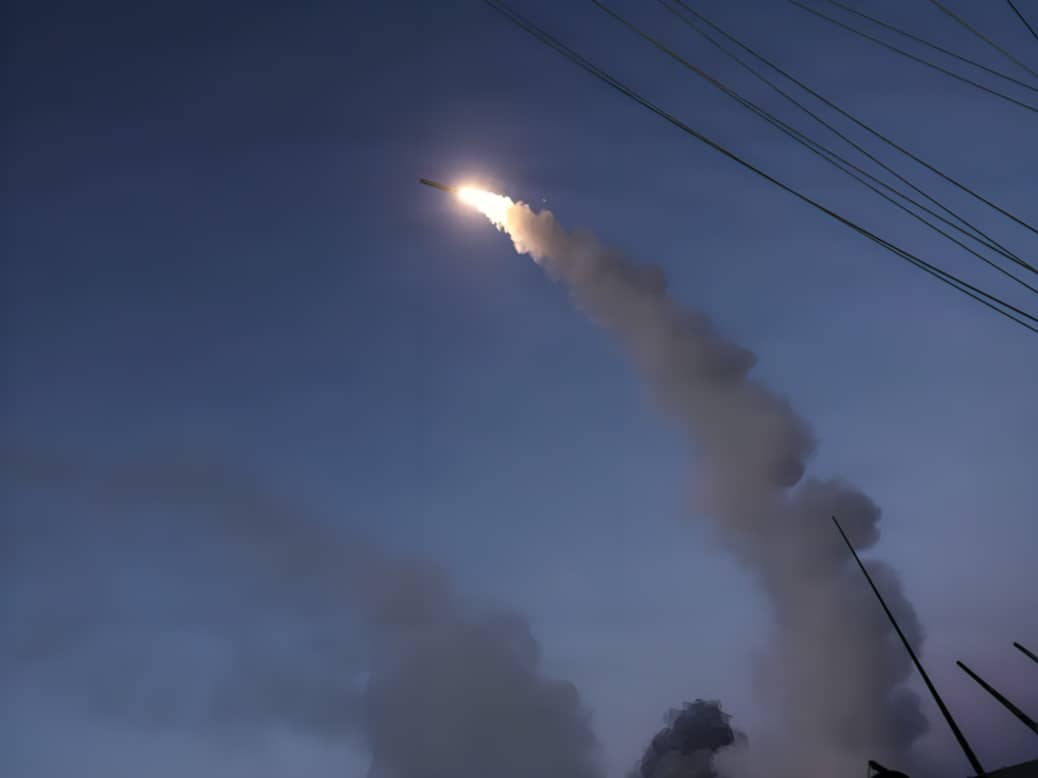
Tomahawk missiles are a major long range precision strike weapon used by the US Navy. They can be launched from naval ships and submarines and are designed to strike targets at considerable distances. The weapon has been part of the US military's arsenal for decades and has been used in several major military operations.
The latest agreement is expected to provide Raytheon with the financial certainty required to invest in additional production capacity, equipment and workforce. Long term contracts can allow defence manufacturers and their suppliers to make larger investments because they provide greater visibility over future demand.
The US government has increasingly turned towards multiyear procurement agreements as it seeks to expand the country's ability to manufacture missiles and other munitions. The objective is to reduce production bottlenecks and ensure that sufficient weapons are available for current and future military requirements.
Raytheon said the contract would accelerate production of Tomahawk cruise missiles for the US Navy. The company is expected to make investments across its manufacturing operations and supply chain to achieve the planned increase in production.
The agreement follows an earlier framework arrangement between the US military and Raytheon announced in February 2026. The latest contract formalises the long term production plan and provides a larger financial commitment for expanding manufacturing.
The planned production increase is particularly significant because the current rate of approximately 60 missiles per year is substantially lower than the new target of more than 1,000 annually. Reaching the new level will require considerable expansion in manufacturing facilities, component supply and skilled labour.
The US Navy considers Tomahawk an important part of its long range strike capability. The missile can be launched from surface ships and submarines, allowing naval forces to conduct precision attacks against land based targets without placing aircraft and pilots directly over the target area.
The weapon's importance has increased as the United States reassesses its stockpile requirements. Recent military operations and weapons transfers have highlighted concerns about how quickly the US defence industry can replace high demand munitions.
US officials have therefore encouraged major defence manufacturers to expand production. The Tomahawk contract forms part of a wider effort that also includes efforts to increase production of components for other missile and air defence systems.
Other recent agreements have focused on increasing production of Patriot missile components and THAAD interceptor components. These contracts indicate that the US government is attempting to expand several parts of its missile manufacturing base simultaneously.
The broader strategy is aimed at strengthening the US industrial base. Defence companies require substantial investment before they can increase production, particularly when specialised components and highly trained workers are involved.
A multiyear contract can provide manufacturers with confidence that investments in machinery, facilities and employees will be supported by long term demand. It can also encourage suppliers further down the production chain to increase their own capacity.
The Tomahawk programme involves a complex network of manufacturers and suppliers. Increasing production to more than 1,000 missiles annually will therefore require coordination beyond Raytheon's primary manufacturing facilities.
The expansion also reflects the changing requirements of modern warfare. Precision guided missiles have become increasingly important in military operations because they allow armed forces to engage targets from long distances.
The Tomahawk is a cruise missile that flies at relatively low altitude and uses navigation and guidance systems to reach designated targets. Its long range allows naval forces to conduct strikes without necessarily moving ships close to hostile coastlines.
The US Navy operates Tomahawks from both surface vessels and submarines. This provides commanders with multiple launch options and allows missiles to be deployed from different locations.
The latest contract does not mean that more than 1,000 missiles will immediately be produced every year. The increase is a planned production ramp that will take place over the seven year contract period. Raytheon will need to progressively expand its capacity before reaching the targeted annual output.
The financial value of the agreement also covers more than simply the physical production of missiles. The contract includes associated requirements and support connected with the expanded Tomahawk programme.
The US government's decision comes amid broader efforts to ensure that defence production can keep pace with operational requirements. The United States has been supplying weapons to allies while also using significant quantities of precision munitions in military operations.
This has increased attention on the ability of American manufacturers to replace weapons quickly. Defence officials have increasingly argued that production capacity itself is an important component of national security.
For Raytheon and its parent company RTX, the contract represents a major long term commitment from the US government. The company will be required to expand its production capabilities and supply chain to meet the Navy's requirements.
The agreement could also have an impact on smaller suppliers involved in the Tomahawk programme. Higher production volumes can create additional demand for electronic components, propulsion systems, guidance equipment and other specialised parts.
The US defence industry has faced challenges in expanding production rapidly because some specialised components require long lead times. Increasing annual production by such a large amount will therefore require careful planning and coordination.
The contract also reflects a broader shift in US defence procurement towards long term production commitments. Instead of relying solely on smaller annual orders, the government is using larger multiyear agreements to encourage companies to invest in capacity.
The approach is designed to create a more resilient defence industrial base. It could also help reduce the time required to replace weapons used during military operations.
For the US Navy, maintaining an adequate stockpile of long range precision weapons is considered important for contingency planning. Tomahawks can be used from ships and submarines, giving naval commanders a flexible strike option.
The increased production target could therefore provide the Navy with a significantly larger supply of missiles over the coming years. However, the actual pace of production will depend on factory expansion, workforce availability, component supplies and other industrial factors.
The contract is also significant in the context of the US government's wider efforts to strengthen domestic defence manufacturing. Officials have called on major contractors to increase production of critical munitions rather than relying on existing peacetime production levels.
The Raytheon agreement demonstrates how the government is using long term procurement commitments to support that objective.
The Tomahawk programme has also attracted international interest because the missile is used by the United States and several allied countries. However, the latest contract is specifically focused on production for the US Navy.
The expansion could eventually help the United States maintain larger reserves of the missile and provide greater flexibility during future military operations.
The announcement also highlights the growing importance of industrial capacity in modern military planning. Having sophisticated weapons is not sufficient if production cannot replace them quickly after they are used.
The US government is therefore seeking to build manufacturing capacity before a potential future crisis rather than waiting until stocks become critically low.
Raytheon's seven year agreement provides a framework for that expansion. The company will have to increase production from its current level to more than 1,000 missiles per year, making the programme a major industrial undertaking.
The contract is also expected to support jobs and investment within the US defence manufacturing sector. Additional production could require more workers, new equipment and expanded facilities.
At the same time, the agreement represents a substantial expenditure of public funds. The US government will need to monitor production, costs and delivery schedules throughout the seven year period.
The deal is part of a broader US strategy to expand missile production across several weapons programmes. Alongside Tomahawk, the government has announced agreements relating to Patriot and THAAD systems, demonstrating the scale of the current effort to strengthen missile manufacturing capacity.
Overall, the 22.9 billion dollar Raytheon contract marks a major expansion of the US Tomahawk production programme. Annual output is planned to rise from around 60 missiles to more than 1,000, while the seven year agreement provides the company with the long term commitment needed to expand its manufacturing base.
The move reflects Washington's broader focus on rebuilding precision weapon stockpiles, strengthening domestic defence production and ensuring that the US military has sufficient long range strike capabilities for future operations.