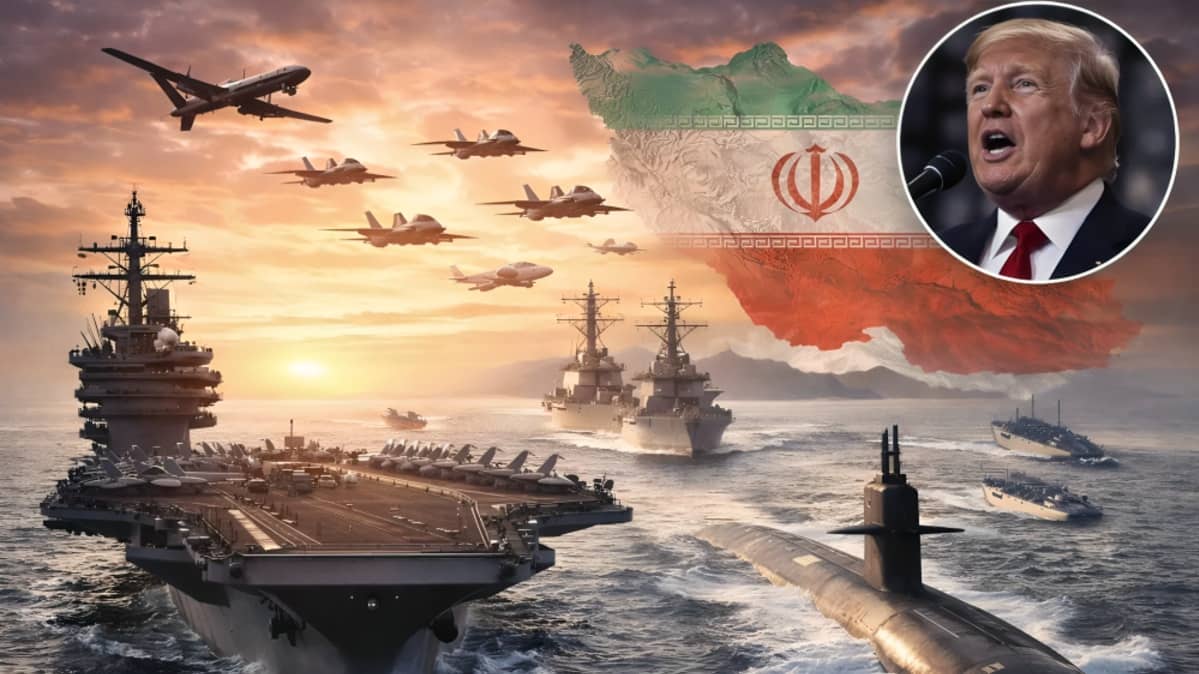
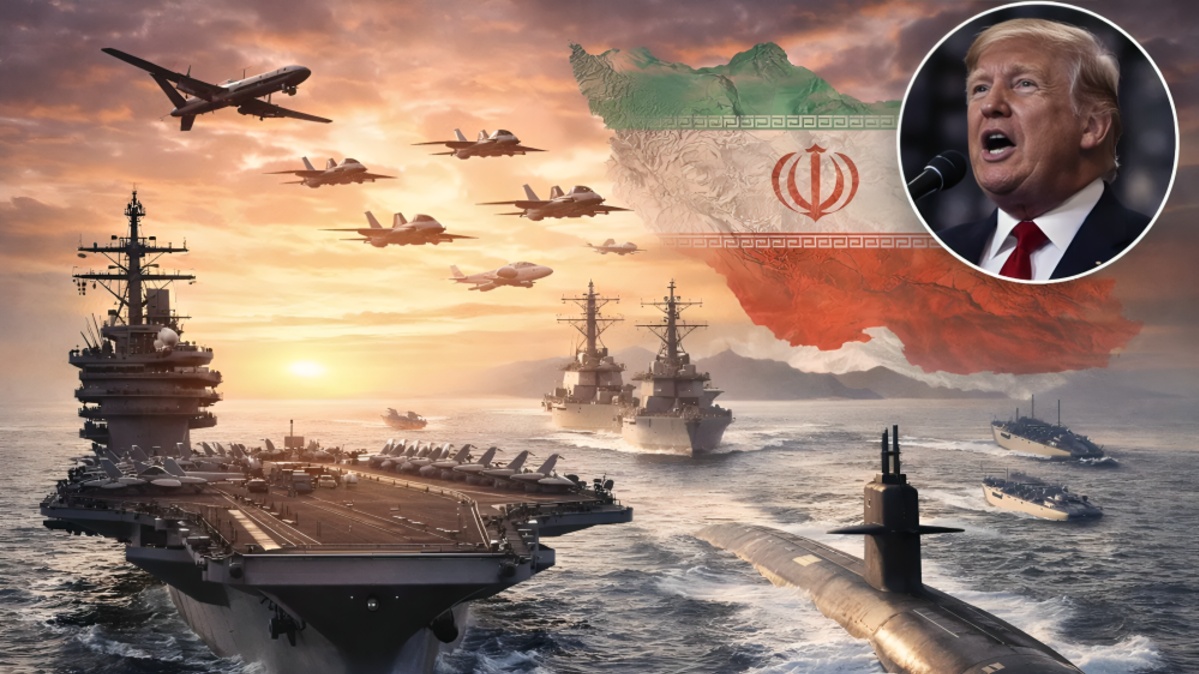
The US Iran conflict has entered a new and uncertain phase after the 60 day memorandum of understanding between Washington and Tehran expired on August 17, 2026. The agreement was intended to halt hostilities and create space for negotiations aimed at reaching a broader settlement.
The expiry of the agreement comes at a time when diplomatic discussions remain deadlocked. Both sides have continued to accuse each other of violating the terms of the June arrangement, while several important issues remain unresolved. These include the future of the Strait of Hormuz, military deployments, sanctions, security guarantees and Iran's nuclear programme.
One of the biggest obstacles in the negotiations is the Strait of Hormuz. The strategically important waterway is a major route for international oil and gas shipments. Iran has maintained that the strait is under its control and has rejected demands that would limit its authority over the waterway.
Iranian officials have said that vessels cannot pass through the strait without Iranian authorisation. The position has directly conflicted with Washington's insistence on freedom of navigation and its efforts to restore regular maritime traffic.
The dispute has already had consequences for international shipping. Traffic through the Strait of Hormuz has remained significantly below normal levels, while attacks and threats involving commercial vessels have increased concerns among shipping companies and energy markets.
The United States has responded with additional economic pressure and continued its efforts to maintain maritime security around Iranian ports. American officials have warned that further measures could be introduced if Tehran refuses to change its position.
For Iran, however, control of the waterway has become an important element of its negotiating position. Tehran has argued that the strait is linked directly to its national security and that restrictions imposed by the United States must be addressed before a lasting agreement can be reached.
The expiration of the memorandum therefore does not automatically mean that diplomatic efforts have ended. Mediators and regional governments have continued to explore possibilities for restarting negotiations. Pakistan, which played an important role in facilitating the earlier agreement, has remained involved in efforts to keep communication channels open.
Earlier reports suggested that Washington and Tehran had discussed extending the 60 day arrangement. However, the two sides failed to establish a clear long term framework before the deadline.
The situation is further complicated by developments in southern Lebanon. Israeli military operations against Hezbollah targets have continued, adding another layer to an already complicated regional conflict. Recent Israeli strikes in southern Lebanon have resulted in civilian casualties, according to Lebanese authorities, while Israel has said that its operations target Hezbollah military infrastructure.
The Lebanon situation is significant because Iran has close ties with Hezbollah. Tehran has previously linked developments in Lebanon to the wider negotiations with Washington. The continuation of Israeli military operations therefore creates another potential obstacle to efforts aimed at reducing regional tensions.
The wider conflict has also raised concerns about energy supplies. The Strait of Hormuz is one of the world's most important maritime energy routes. Any prolonged disruption could affect crude oil supplies, shipping costs and fuel prices in countries that depend on energy imports.
For countries in Asia, including India, developments around the waterway are particularly important because a significant portion of global energy trade passes through the region. Prolonged disruption could increase transportation costs and place additional pressure on international energy markets.
Financial markets have already been monitoring the situation closely. Oil prices have remained sensitive to developments surrounding the conflict, while investors have also been watching the possibility of additional sanctions and further military escalation.
Another major issue in the negotiations is Iran's nuclear programme. The June memorandum was intended to provide a framework for reducing hostilities while creating an opportunity for discussions on wider security and nuclear issues. The expiry of the arrangement without a comprehensive settlement leaves those questions unresolved.
The United States has continued to demand significant concessions from Tehran, while Iranian officials have insisted that any agreement must recognise Iran's security interests and address the restrictions imposed during the conflict.
The two sides also remain divided over military deployments. Iran has called for the withdrawal of US forces from areas near its territory, while Washington has maintained that its military presence is necessary to protect American personnel and maritime interests.
The uncertainty surrounding the expired agreement has increased concerns that military tensions could return to higher levels. Although diplomatic channels remain available, the lack of agreement on the most important issues makes the situation fragile.
Regional countries are also closely monitoring the developments. Governments in the Gulf and other parts of West Asia have an interest in preventing further escalation because a wider conflict could threaten energy infrastructure, shipping routes and regional economic stability.
The Strait of Hormuz remains at the centre of the dispute. Iran continues to insist on its position regarding control of the waterway, while the United States maintains that international navigation must remain open. The disagreement has become one of the most difficult issues facing negotiators.
The situation in southern Lebanon adds another potential flashpoint. Continued Israeli operations and tensions involving Hezbollah could make it more difficult to separate the US Iran negotiations from the broader regional conflict.
For now, the expiry of the memorandum represents a major diplomatic setback rather than a definitive end to negotiations. The coming days could determine whether Washington and Tehran return to talks, seek a new temporary arrangement or move towards greater economic and military pressure.
Any renewed agreement would likely need to address the central disputes surrounding the Strait of Hormuz, sanctions, military deployments, Iran's nuclear programme and the wider regional security situation.
The international community is also watching the developments because a prolonged US Iran confrontation could have consequences far beyond the Middle East. Energy prices, shipping routes, global trade and inflation could all be affected if the conflict escalates further.
Overall, the expiry of the 60 day US Iran memorandum has created a new phase of uncertainty. Negotiations remain difficult, Iran continues to defend its position on the Strait of Hormuz, and the United States is maintaining pressure on Tehran. Meanwhile, continuing Israeli military activity in southern Lebanon is adding to the broader regional instability.
The immediate priority for mediators is expected to be preventing a further escalation and bringing the two sides back to negotiations. Whether a new diplomatic framework can be established will depend on the willingness of Washington and Tehran to compromise on the issues that caused the earlier agreement to break down.